
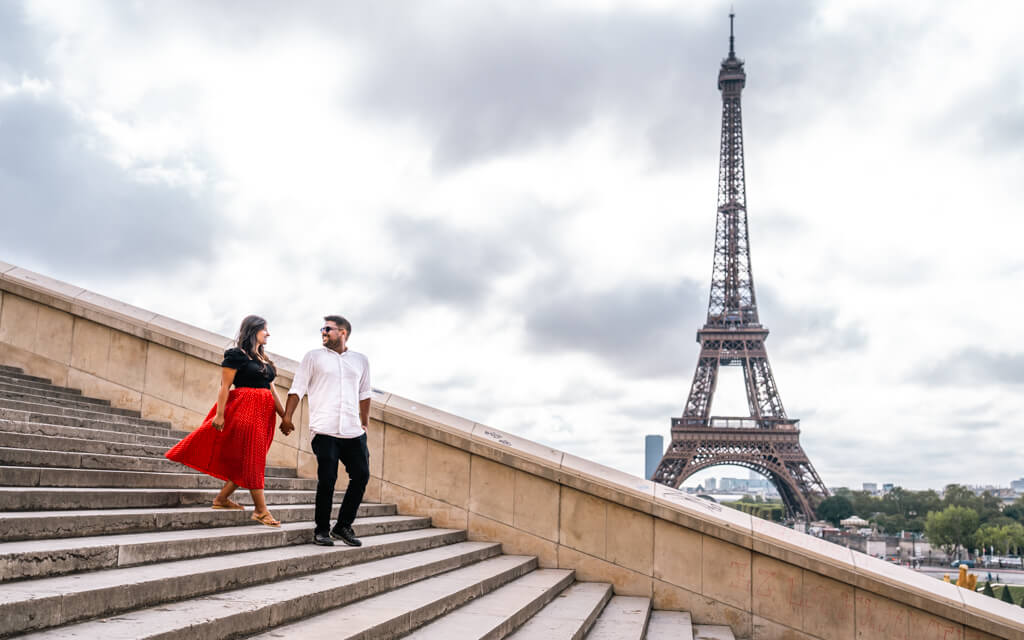
6 months, 4 continents, and 20 countries—our world trip was everything we dreamed of and more. From bustling cities to remote deserts to new cultures and languages, we embraced each moment with open minds and curious hearts. But beyond the Instagram-worthy landscapes and bucket-list adventures, this journey to Europe, Morocco, and South America turned out to be a great teacher.
In this post, I’m sharing with you the lessons our world trip taught us—about the world, about ourselves, and about what travel really means. Whether you’re planning your own big trip or simply curious, I hope these reflections inspire you to see the world through a new lens.
1. Short-term travel is vastly different from long-term travel
I used to think three weeks was a long time to travel until we did our 6-month world trip.
When you travel for less than a month, you want to hit all the spots.
Entering a new country is the best feeling.
FOMO is high.
Excitement is high.
You want to maximise your time feeling the thrill of a new adventure.
You eat every meal out.
And just try to have the best possible time.
What next. What next. What next.
This is exactly how we felt for our first 2-3 months of our 6-month trip while we were travelling Europe. And at first we thought, we’d feel this way always.
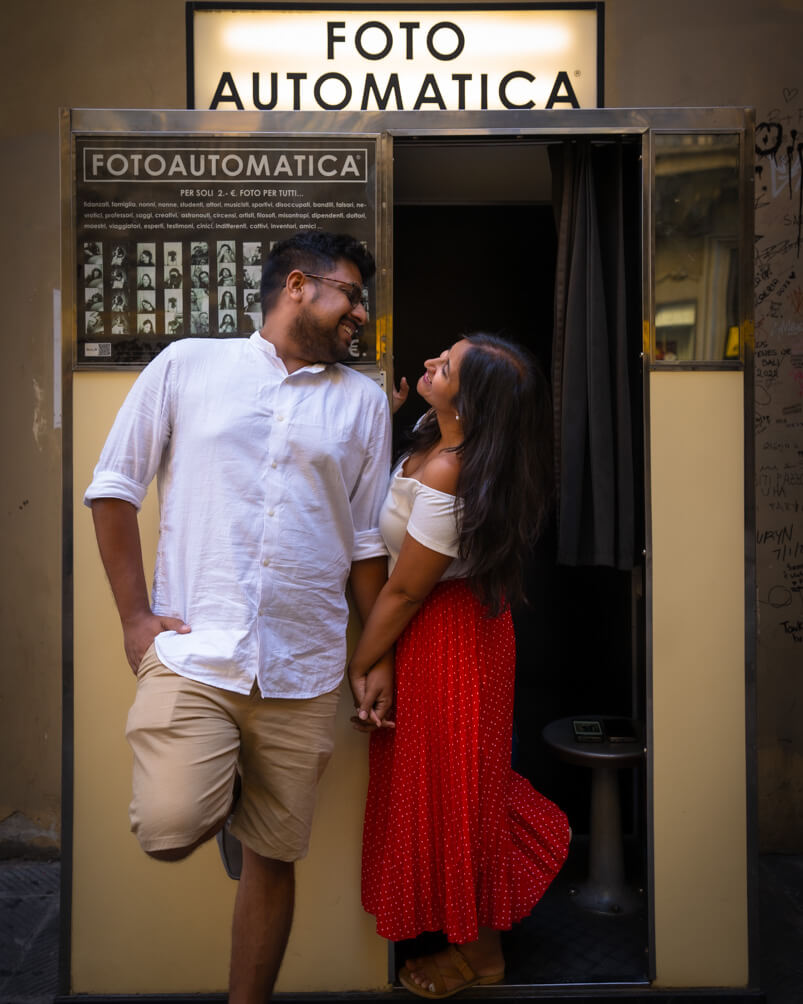

However, as the trip went on, things started to feel a bit different.
- Entering a new country lost it’s charm. It was nice. But we didn’t feel that thrill we felt on short trips.
- Going to a new city felt like ‘just another city’.
- We stopped wanting to see everything instead only stepping out to see a major spot or two in a day.
- Looking for restaurants (especially since my husband is vegetarian) started to feel like a task while grocery shopping became interesting. We started to cook meals and enjoy them indoors while watching a series.
- We felt a lot more tired than we did on short trips and preferred to sleep in than step out on some days.
- We got complacent with the planning. Everything was booked at the last moment or not, so we missed plenty of sights and made a tonne of mistakes.
Does this mean that we did not enjoy our trip or that you should not do long-term travel? Absolutely not! This is just to shed some light about long-term instead of glorifying it like most do. So if you’re ever considering it for yourself, you know what to expect.
And that brings us to our second point.
2. Taking it slow on a long trip is necessary
We aren’t slow travellers. We like to maximise our time in each country we travel to and see as much as possible. But while planning this world trip, we knew that we would have to take it slow for the reasons mentioned above. Therefore, we decided to spend at least two nights in small cities and to schedule a break day every seven days or so. Unfortunately, it wasn’t enough.
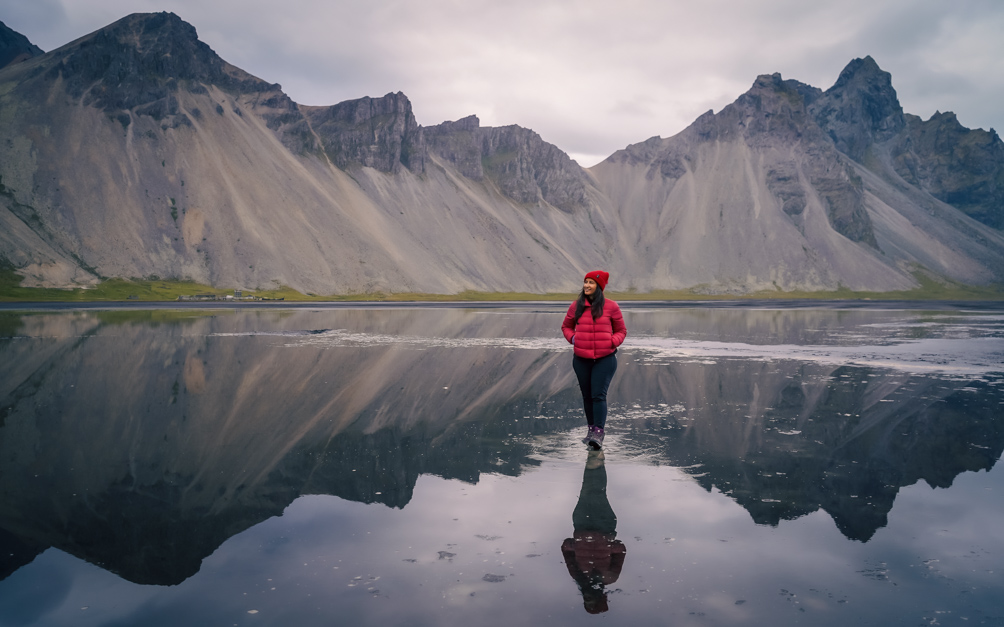
When you’re travelling for a long time, you will probably have to do laundry and maybe even buy groceries and cook. You will also need time to plan your days ahead, make bookings, etc.
That means that the one day that you’ve reserved for staying indoors and relaxing will be spent getting your life sorted for the next few days on the road. And you won’t really get time to rest and do nothing.
So we should ideally have kept 2 days free every 7 days or so to be able to use one day to plan for 7 days ahead and another day to recuperate and energise for those next 7 days.
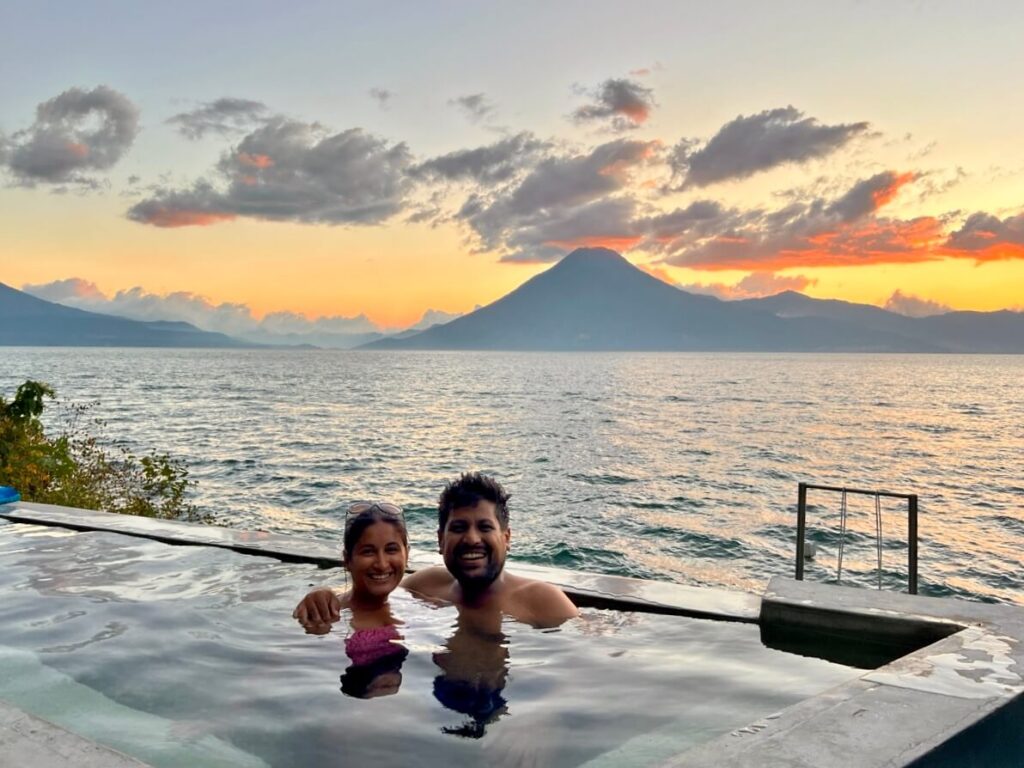
As the trip went on, we started spending 5-7 days in big cities to take it slow. And because of this, we have really fond memories from our time in Paris, Buenos Aires, Rio de Janeiro, and Mexico City! And wish to live in these cities someday.
3. Appreciating simplicity and simple pleasures


In the beginning of our trip, we were moving from one city to another at a fast pace, seeing just the highlights. But when we eventually started to travel a bit slowly, spending a week or so in some cities, we also started to enjoy the little things. The mundane things.
We started to love grocery shopping and observing how locals do it.
We enjoyed the simple pleasures of spending time at the beach, visiting small waterfalls and forests, eating at ordinary cafes, and playing board games. Nothing extraordinary. Yet, a nice time. The little things that used to not be the highlight of a trip started to become more special.
We’d been trying to escape home life, but eventually we started to enjoy cooking, eating in and watching TV just like we did at home. We realised how special it is to have a simple life—live in one place and have a routine.
We ended up realising that we’re home bodies. Contrary to what we believed, we love life at home. We love staying indoors as much as we love travelling.
4. If we survive a world trip together as a couple, we can survive anything
We spent 184 days with each other—enough to drive a couple crazy.
So did we drive each other mad. Yes.
Did we fight a lot? Yes.
Did we fight in stunning locations? Yes.
Did we resolve the fights? Eventually but always.
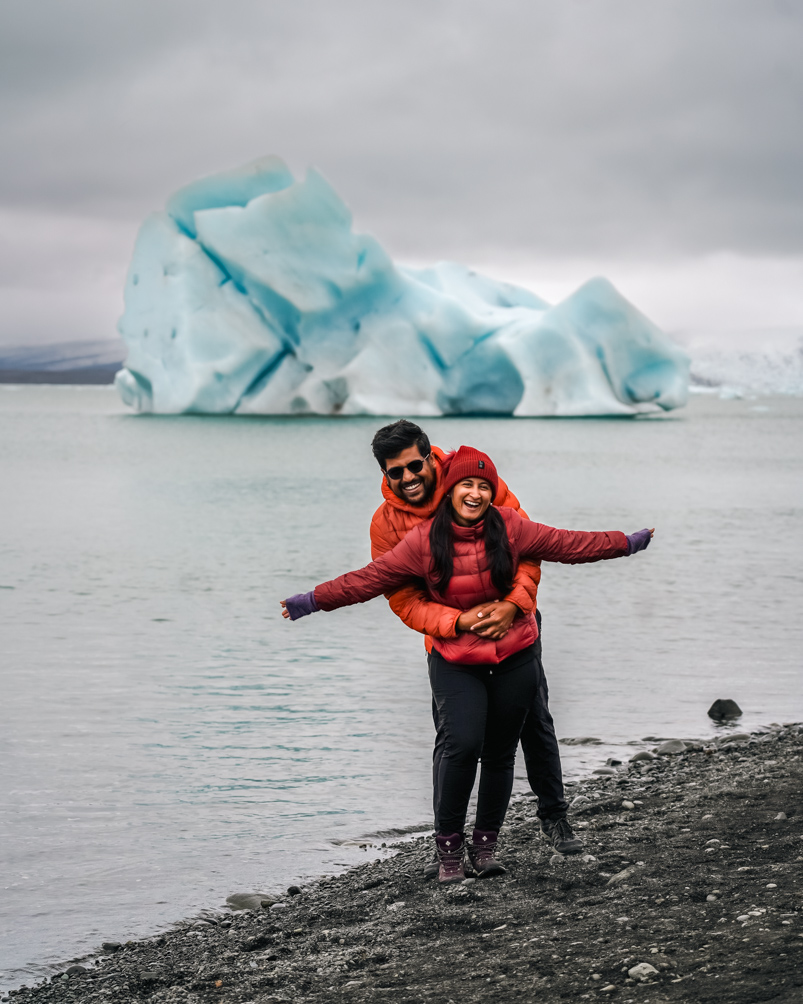
We’ve known each other for 11 years before we took this trip together. We knew we loved spending time together. But spending each moment together can be tough regardless. Especially when you want different things from your travels. We usually fought because:
- One of us felt the other wasn’t doing enough to plan the trip and get this going.
- Because one of us found it difficult to wake up in the morning, making us miss or be late for planned activities.
- Because we were rude to each other.
If you’re travelling together, you just have to know each other’s quirks and deal with them. Try to talk it out and hope the other person listens. If not, be ready to take initiative and do your own thing.
There were times when I simply went to explore places myself. At times, I even did this without any internet on my phone. If he knew where I was, he would join me later. I enjoyed these times alone immensely.
It gave us time apart. Time to do our own thing. And keep our sanity.
But it did make us realise one thing: if we survived so many fights, dealing with each other every moment, and seeing each other at our worst, we could survive anything.
5. Places are less dangerous to visit than they’re made out to be
A lot of places in South America have bad rap for being dangerous. They are not as dangerous as they’re made to be and nothing will happen as long as you’re careful and take necessary precautions.
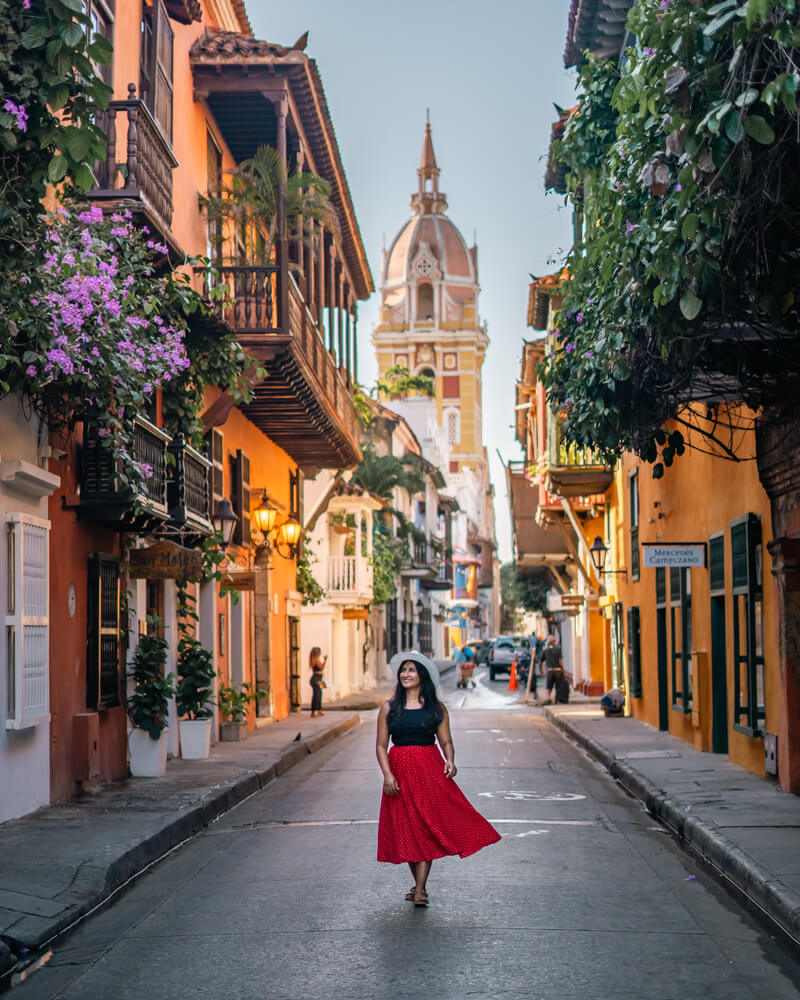

Some places that are considered unsafe:
La Paz, Bolivia: Before reaching La Paz in Bolivia, we read that people had been kidnapped in the middle of the day in a major city square and taken to an ATM to withdraw cash.
Rio de Janeiro: For Rio de Janeiro, we’d seen a YouTube video where someone’s phone was grabbed from his hand while he was recording a video on Copacabana Beach (this beach is famous for muggings). When he tried to get the phone back from the child who’d taken it, he was beaten by goons.
Colombia: Colombia is known for muggings, and engaging with the thieves can even get you stabbed.
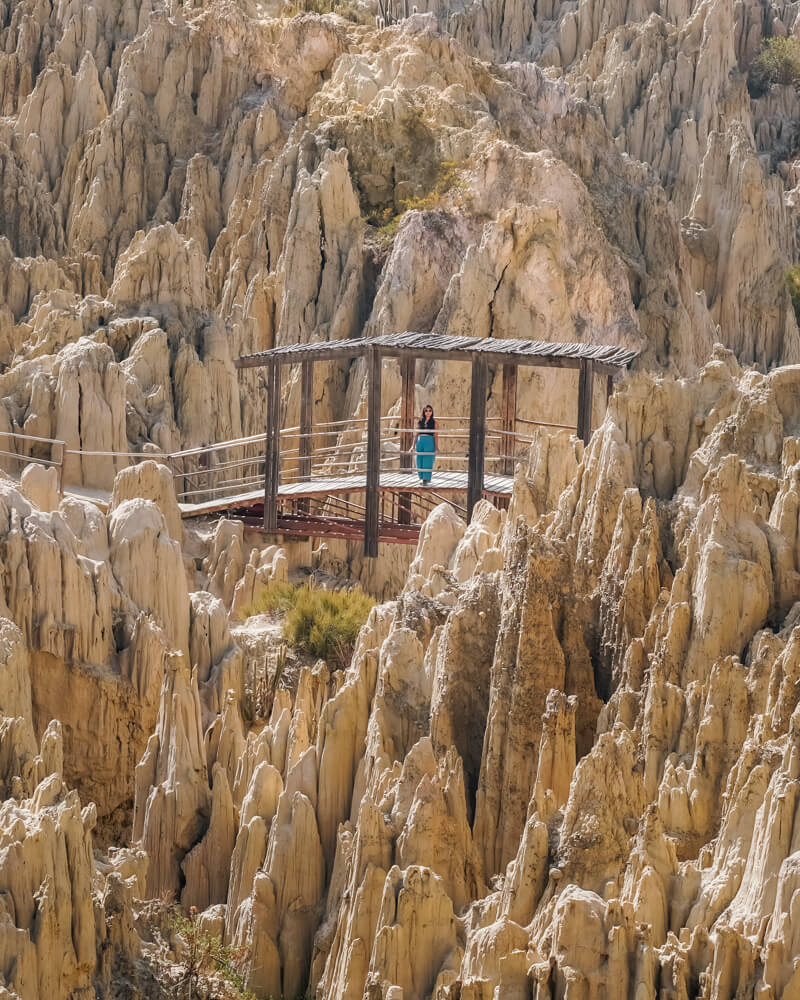
These instances sound so scary but they can easily be avoided if you take the necessary precautions—don’t flash your valuables on the streets; walk on dark deserted streets; read up on the possible what could go wrongs; and if something does happen, just give your stuff away without saying anything.
We are glad that such instances are made public for us to read and act accordingly. Don’t let this discourage you from visiting. These are famous tourist destinations for a reason—they’re unique and gorgeous. And people visit them all the time. As long as you’re careful, you’ll probably be safe!
PS: It’s funny how we were expecting to get robbed in South America but we actually got robbed twice in Europe. It really taught us to not have preconceived notions about any place and take precautions everywhere.
6. Don’t let people’s opinions of a place affect your judgement; just go
People will have preconceived notions about different places in the world. That doesn’t mean that they’re right. People will not like certain places because of who they are and the experiences they had; that doesn’t mean you will have the same negative experiences.
We’re all different so we perceive places and challenges differently. The only way to find out what you think about a place is to go yourself. And make your own judgement.

Here are a few examples:
- People in Paris are assumed to be rude, but we had a very positive experience in this regard.
- Usually people love Morocco, but we didn’t love it. That doesn’t mean I’m telling you not to go; it is beautiful.
- People told us Brazil and Colombia will be dangerous and Europe lovely, yet we were robbed in Europe and nothing happened in South America.
- People told us not to go to Iceland because it would blow a hole in our budget. But it didn’t. We were able to do it quite inexpensively.
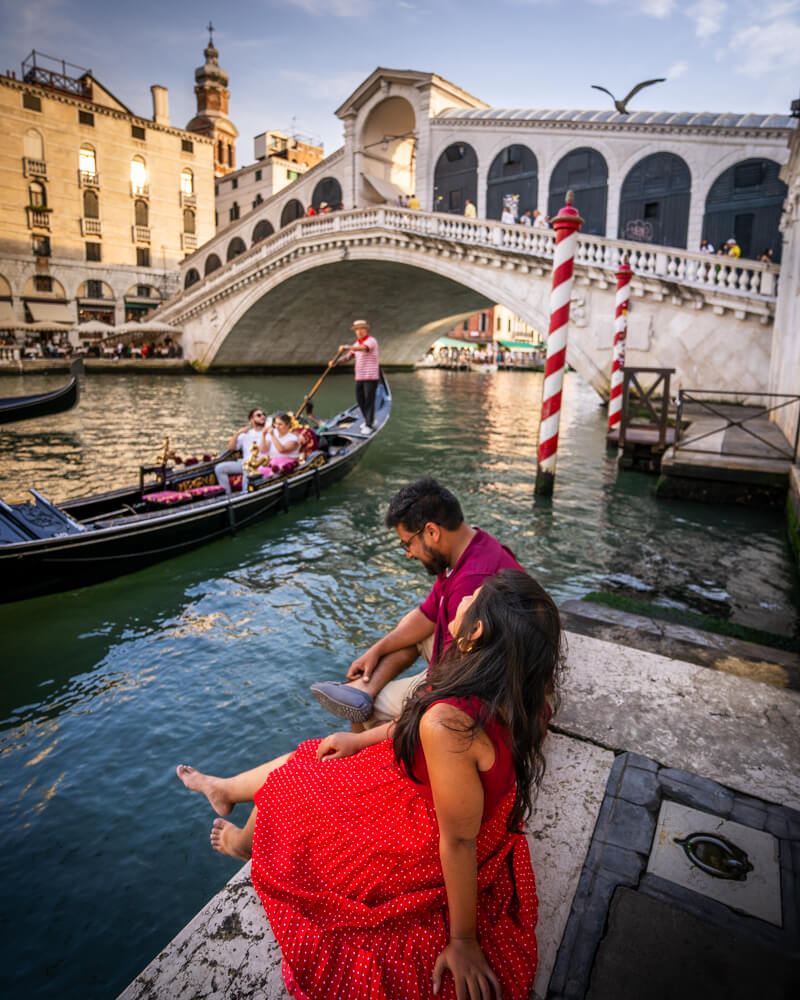
- People told us not to go to Venice; it smells and is so crowded. Yet we loved Venice. There was no smell and we got places all to ourselves even in the summer months.
My point is that your likes and dislikes of a country will always be based on your own personality, preperation and experiences. Listen to what they have to say, learn from their mistakes and experiences, but go anyway.
7. Things will go wrong. Set expectations and learn to deal with problems
When travelling, things will go wrong. Don’t worry about controlling everything beforehand—you can only control so much. Setting your expectations accordingly will help balance your mood when things go wrong and approach it with a problem-solving attitude.
Because we expected things to go wrong, we were quite calm when they actually did. Yes, at times, it was annoying and infuriating, and we even suffered significant financial losses. But we knew it was bound to happen at some point during the trip.
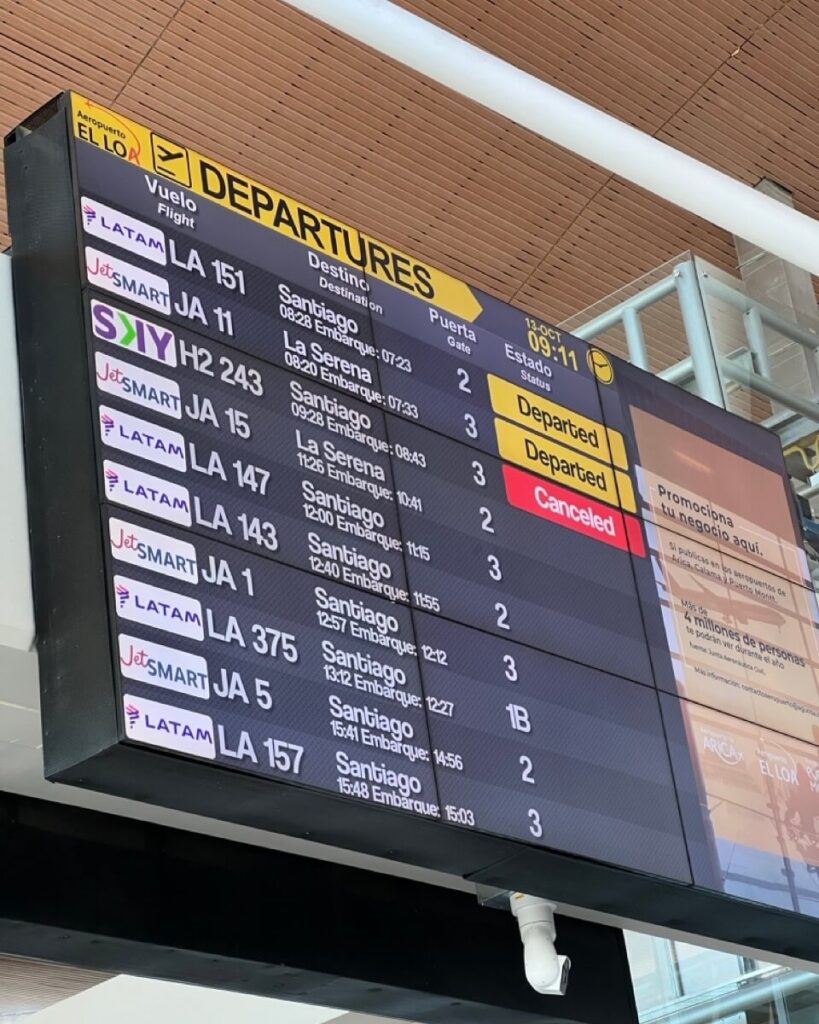
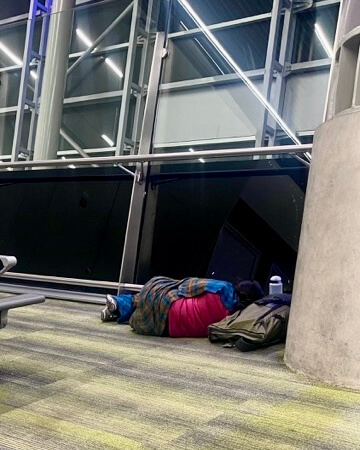
Here are a few things that went wrong:
- My wallet from pickpocketed from my backpack in Split
- My bag was completely stolen in Paris and we did even realise for the longest time
- Our domestic flight in Chile got cancelled, leading us to miss our international flight to Peru. We ended up sleeping on the floor of the airport that night.
- Our entire time in Brazil was jinxed with bad weather and high flight prices
- While checking in for our flight from Guatemala to Mexico, we were told that we’d have to pay USD 1000 for just transiting through El Salvador. Isn’t that insane?
This brings me to my next point.
8. Always have rental car and travel insurance
Since things may go wrong, it is best to have adequate travel insurance that covers you for travel delays, flight cancellations, lost luggage, stolen items, and medical emergencies. I understand that purchasing insurance may seem costly, but when unexpected events occur, you will be grateful that you made the decision to purchase it.
And don’t be like us; remember to actually use that travel insurance. We forgot to avail our travel insurance after my wallet was pickpocketed in Split, even though it was covered! We assumed it wouldn’t be covered, so we didn’t even bother checking. Such a travel faux pas.
SafetyWing is an excellent option for travel medical insurance. They also provide emergency travel-related benefits, such as medical evacuation, travel delays, lost checked luggage, adventure activity cover, electronics theft and more.
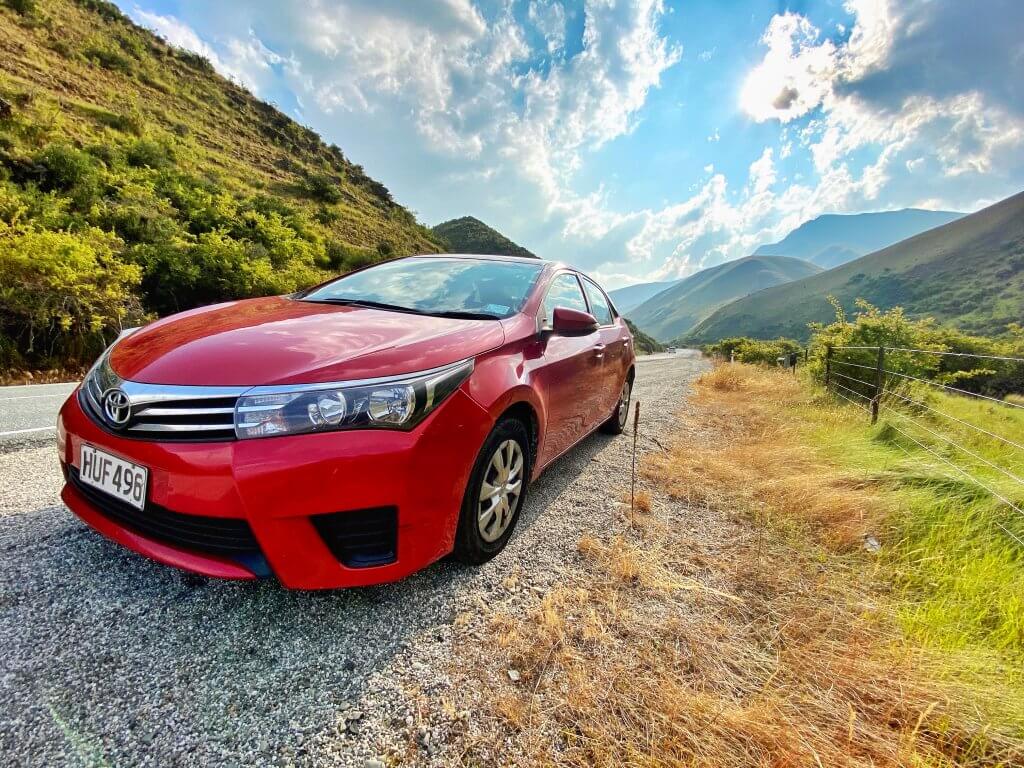
Also, ensure you take rental car insurance. If you’re booking your rental car through a reputed aggregator like Discover Cars or RentalCars.com, you should definitely opt for their insurance. It saved us in Morocco when we got a chip on our windscreen, and the claim process was very easy. Otherwise, you can also take rental car insurance from the rental company itself.
9. Always learn some words in the local language
While it is completely possible to survive in a country without knowing a single word in the local language, thanks to translation apps, it is super helpful to know the local language to any degree. And also a lot of fun to learn!
It enables you to converse and connect with locals (albeit in half-broken sentences), to understand signage and menus faster, and even ensures that people are more friendly with you.
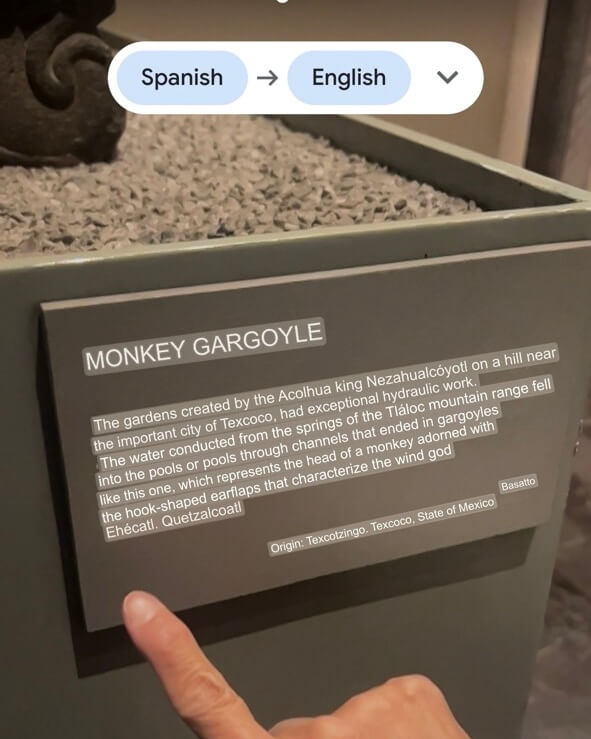
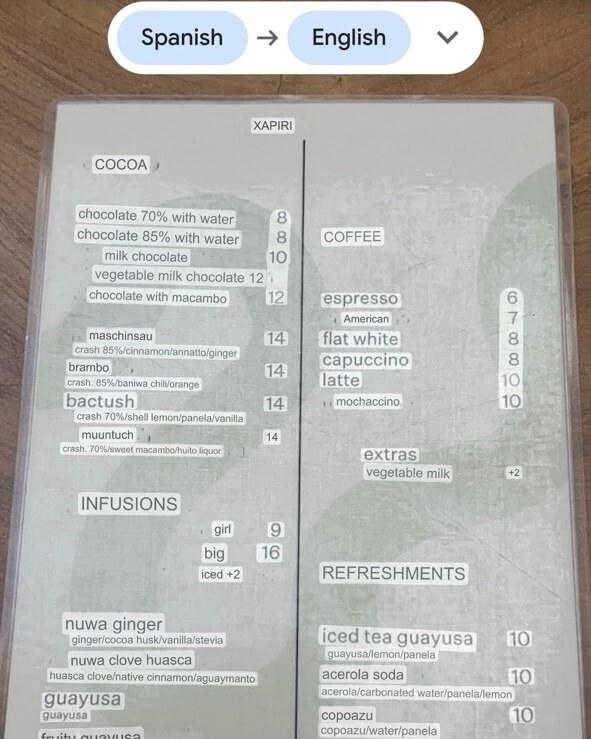
Whereas for our 3 months in Latin America, I’d simply practiced some Spanish on Duolingo over the years. I knew about 500 or so words and could string up some broken sentences. I can’t even tell you how helpful it was. My husband was forever asking me ‘what did he say’, ‘what did you say’, etc. He just couldn’t be part of any conversation because he didn’t know the language at all, but he learnt a bit along the way.
Locals love to see tourists make an effort, even if it is just a hello, good morning, and thank you. Parisians are known to be quite rude; however, we just didn’t think so. We used to greet them in French, and that’s all; they were all very kind to us.
10. People are sometimes just rude. Not everyone is racist
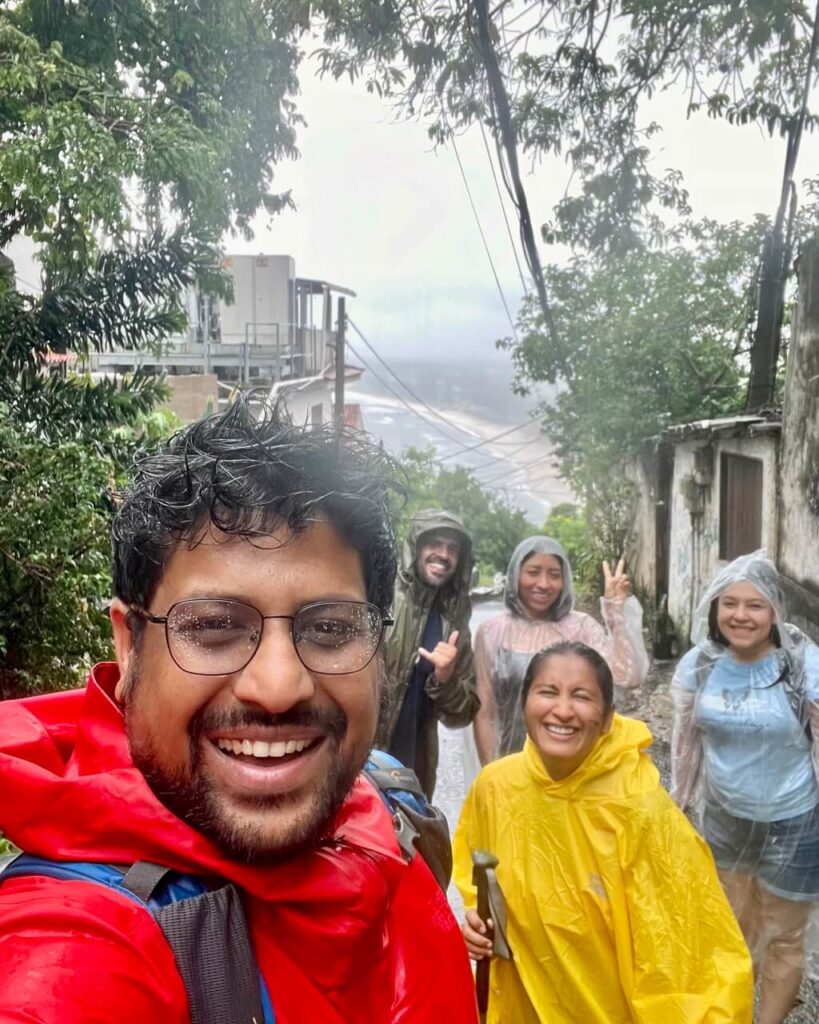
A very common question we got asked by other travellers is: didn’t you face racism while travelling to so many countries?
And the answer is NO.
In fact, even before I left India, I thought we were going to have very bad experiences in Europe, and it just wasn’t the case. Not every rude interaction is a racism issue.
Yes, I understand racism issues may happen. But I’ve seen people attribute all negative interactions with locals to racism, which is also wrong. You’ll find rude people everywhere. You’ll find people who’re simply having a bad day and take out their frustrations on you. It’s just part and parcel of travel to meet all kinds of people.
And can I draw focus on all the wonderful people we met who made our travels so much more fun and enriching? Who helped us out in tough situations in Italy and Slovenia? I think it’s best to focus on the positive experiences instead of dwelling on the bad ones.
11. Learning to appreciate other countries, cultures and people
We’ve always appreciated other countries and cultures. However, spending so much time living in different countries gave us a deeper understanding and appreciation for diverse ways of life. We learnt to see the world through various perspectives, get deeper insight into their experiences and challenges, and understand why people are the way they are.
The most important thing to do is travel with an open mind. If you’re a vegan, don’t judge people because they have meat. If you love the food of your country, don’t judge other’s cuisine even without trying it. If you’re not religious, don’t hate on people that are.
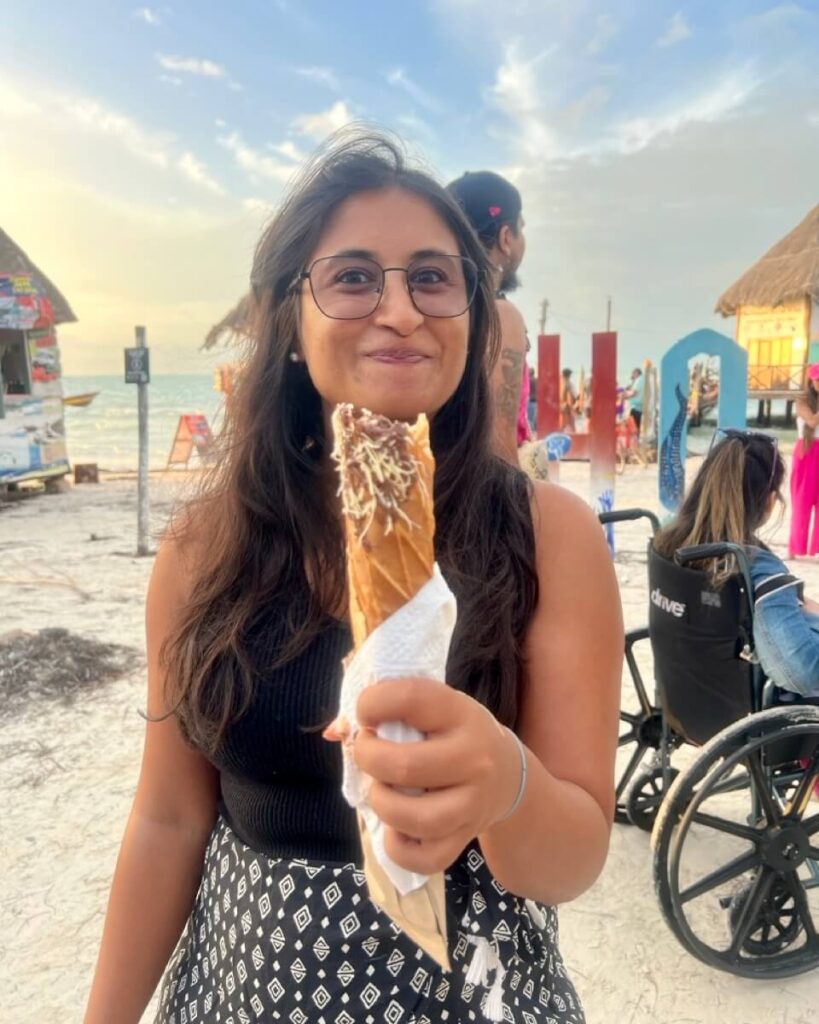
Travel isn’t just about seeing new places, flaunting your pretty clothes, and clicking tonnes of pictures in famous places. It can be about that, but it is also about new local flavours, new experiences, getting out of your comfort zone, meeting people, having conversations with strangers, learning about the location (even if you hate history) and so much more.
There’s nothing better than saying yes to things you never would’ve said yes to, challenging yourself and letting your mind be moulded by your new experiences.
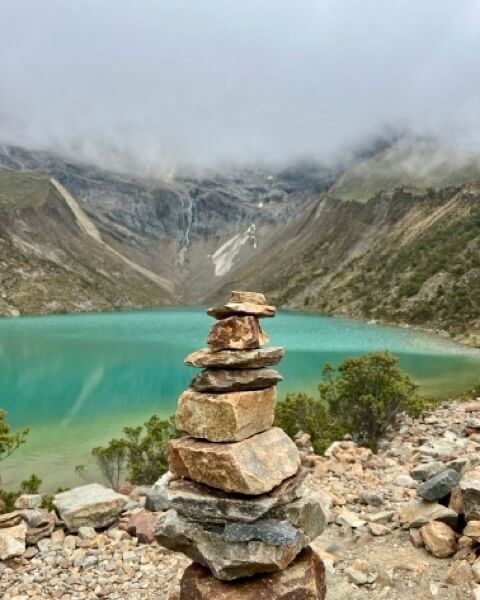
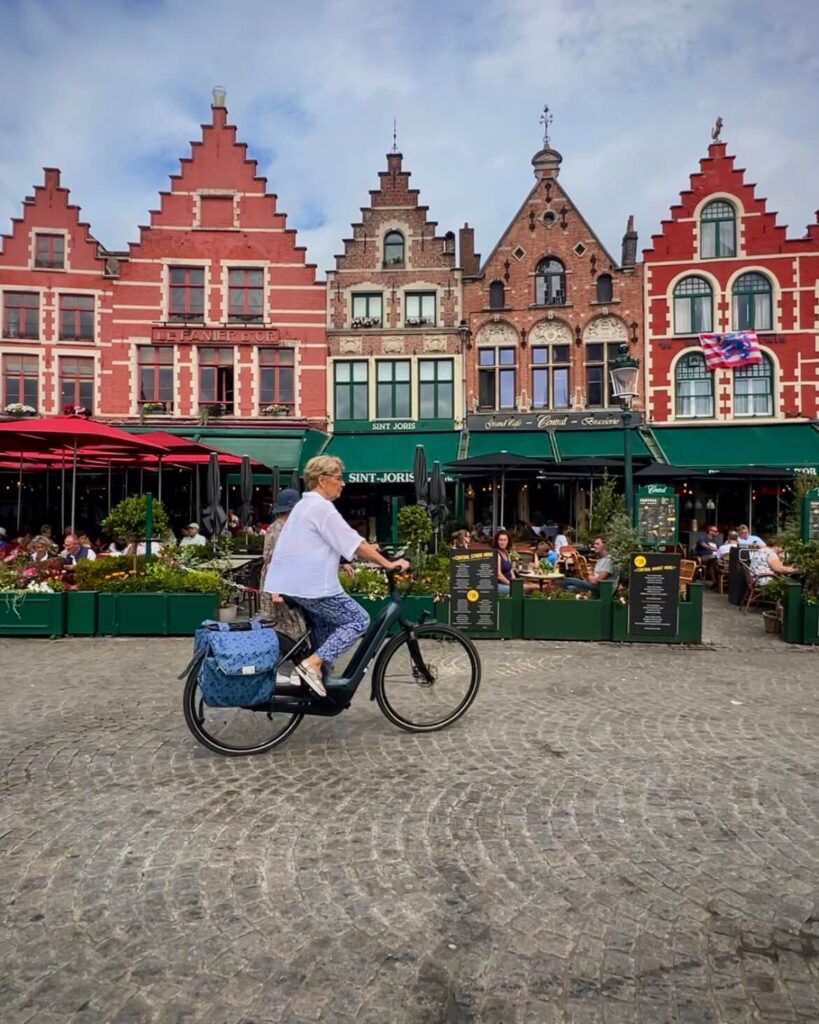
On an overall level, our 3 months in Latin America taught us about resilience, community, and deep connections to nature and ancestry. It revealed a spirit of resilience like no other—a tenacity shaped by history, struggle, and a hope for the future. They have a deep, almost spiritual connection to nature and ancestry. It was a reminder of our roots and the interdependence of life.
And our 70 days in Europe highlighted the importance of heritage, balance, and collective well-being.
Travelling in Europe shows you just how important it is to preserve heritage. Its cobblestone streets and historic landmarks tell stories of centuries past, blending the old with the new in a seamless balance.
In Europe, people prioritise their well-being and carefully balance work and leisure. People work to live happily instead of living to work, work and work. Social systems are built on the idea of collective good, making people have a sense of security and shared responsibility. Together, these lessons showed how deeply cultural values shape not just societies but individual lives.
12. Appreciate our own country
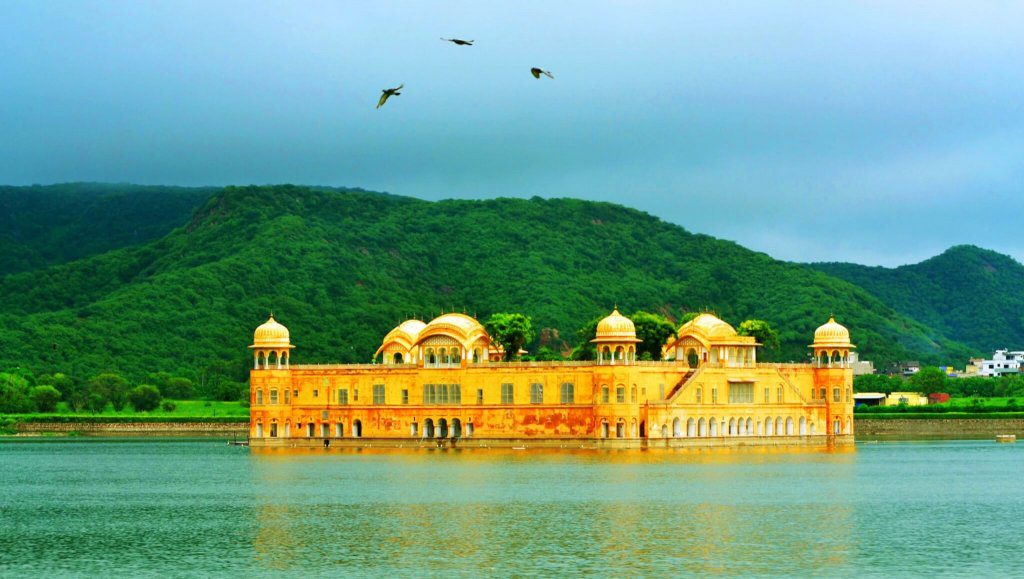
While there is so much to appreciate in other countries, this trip made us realise quite a few things about appreciating our own country.
Language: We saw the enthusiasm and zeal with how people speak their mother tongue. As Indians, while we do speak our own mother tongues, we do give English a lot more priority. Because communicating in English well can get you high-paying multi-national jobs and actually be the thing that sets you apart and makes you excel in your career. In fact, I’ve grown up speaking English more than Hindi throughout my life.
But meeting such people made me realise I should be proud of my language, Hindi, and speak it more often, at least in informal settings.
Food: We also became aware of how cheap and delicious our food is. We actually had to be so conscious of how much we ordered abroad because food was so expensive. We ate less than we’re used to, which is actually a good thing (need to control that weight) but India has such flavourful food available everywhere.

Diversity: While all the countries we went to were beautiful, it made us glaringly aware that our country has it all—amazing cities, beautiful beaches, majestic mountains, waterfalls, jungles, you name it. India is stunning!
Hospitality: Indian hospitality is a class apart. You’ll find friendly people everywhere. Other than that, even the hotel staff are so welcoming. There is a huge difference in 5-star hotel quality in India and abroad.
Complexity: While all nations are complex in their own way, India is another ball game altogether. We realised this while trying to explain simple things to people of other countries. We are such a huge country with a vast population that you can’t categorise India and Indians in any one category. This makes India a very interesting place to be and talk about.
13. Minimalism
We packed only one suitcase of clothes for our world trip. Living out of one suitcase for 6 months helped us differentiate between wants and needs. We realised we’re so materialistic back home and that a few pairs of clothes is all it takes to get by. We did get bored of some of our clothes after a few months, but we never felt that we needed more. Ever!
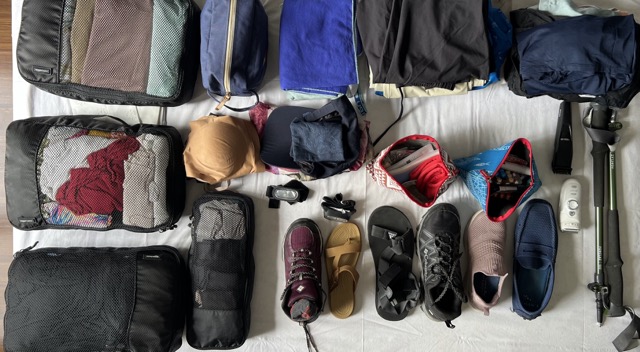
Here’s something to think about:
- People carry 3 puffer jackets for a single 10-day winter trip. Well, do you really need 3 or will one do? Same for shoes, clothes, etc. Always plagued by the question, but what if I need that too? Well, you really don’t!
- I see women overpack and ask their husbands to bear the load of their overpacking. Aren’t our husbands on a trip as well? Shouldn’t they all feel light and carefree? Never pack more than you can carry yourself.
During the course of our trip, we’ve learnt to prioritise experiences over possessions.
14. Travel privilege is real
There are two sides to our point about travel privilege:
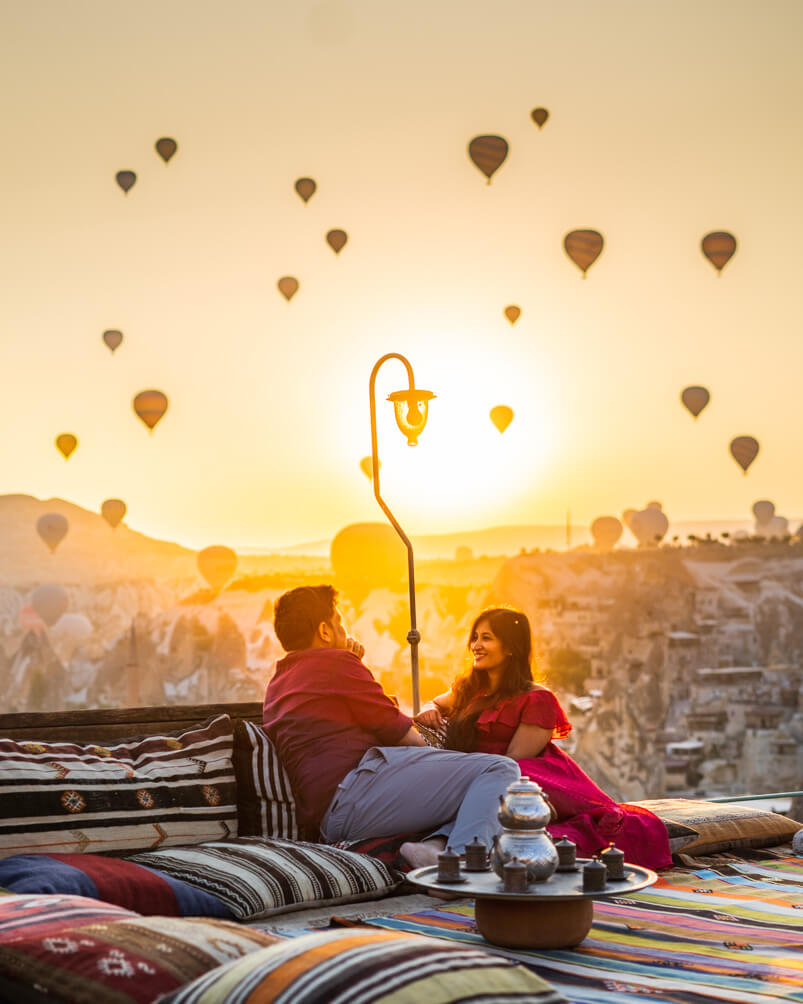
1. Recognising our own travel privilege: On this trip, we met so many people who’d never left their hometown or who’d never travelled to another country. We even met people who were travelling to a new country for the first time.
It made us realise that we are incredibly lucky to have the funds and circumstances to travel to so many countries and that we have even travelled our own country extensively. We are also lucky that we have a US visa, which makes it easier for us to get other visas and visit some countries without any visa at all.
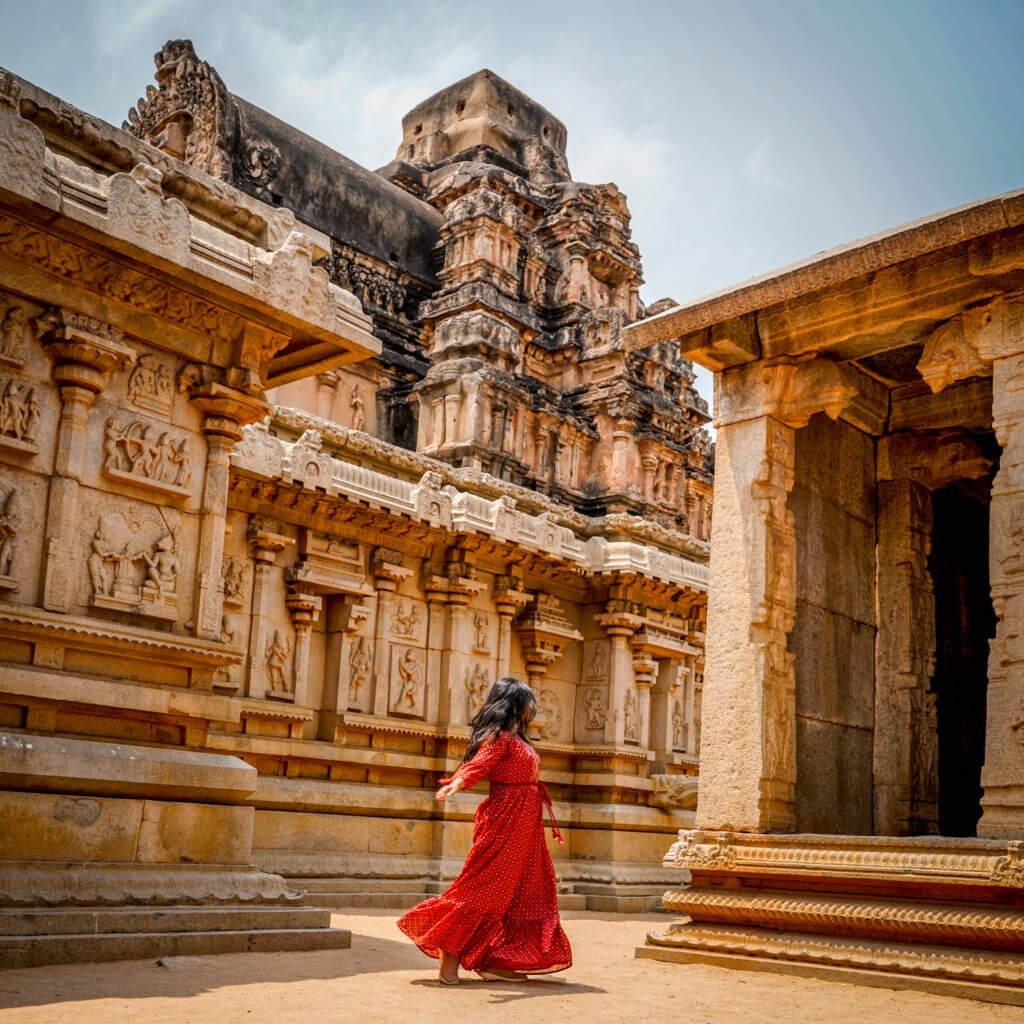
2. Recognising the travel privilege of backpackers from countries with a strong passport: Having a considerably weak passport and hearing backpackers with strong passports complain about that one visa that they had to get kind of sucked.
It also felt like some people looked down upon us because we were proud to do a trip like this. And why should we not feel proud?
It takes immense planning and jumping through hurdles for an Indian to travel long-term. We had to make an itinerary for six months, book all flights and hotels prior, apply for costly time-consuming visas, plan finances due to having a weak currency, and get past the cultural hurdle of explaining to family that we’re going on an extended trip—something that is relatively unheard of in India and thought of as irresponsible.
While people with strong passports just have to pack their bags, think about cash and leave. I mean!
It’s not fair, is it?
15. The Indian system simply does not support long-term travel
From our experiences, it became quite evident that the Indian financial system wasn’t built to support such long-term travel. In fact, there are all sorts of rules in place that actually discourage it. Not only that, financial institutions do enough to make your life suck on the road.
We spent hours reponding to emails and being on calls.
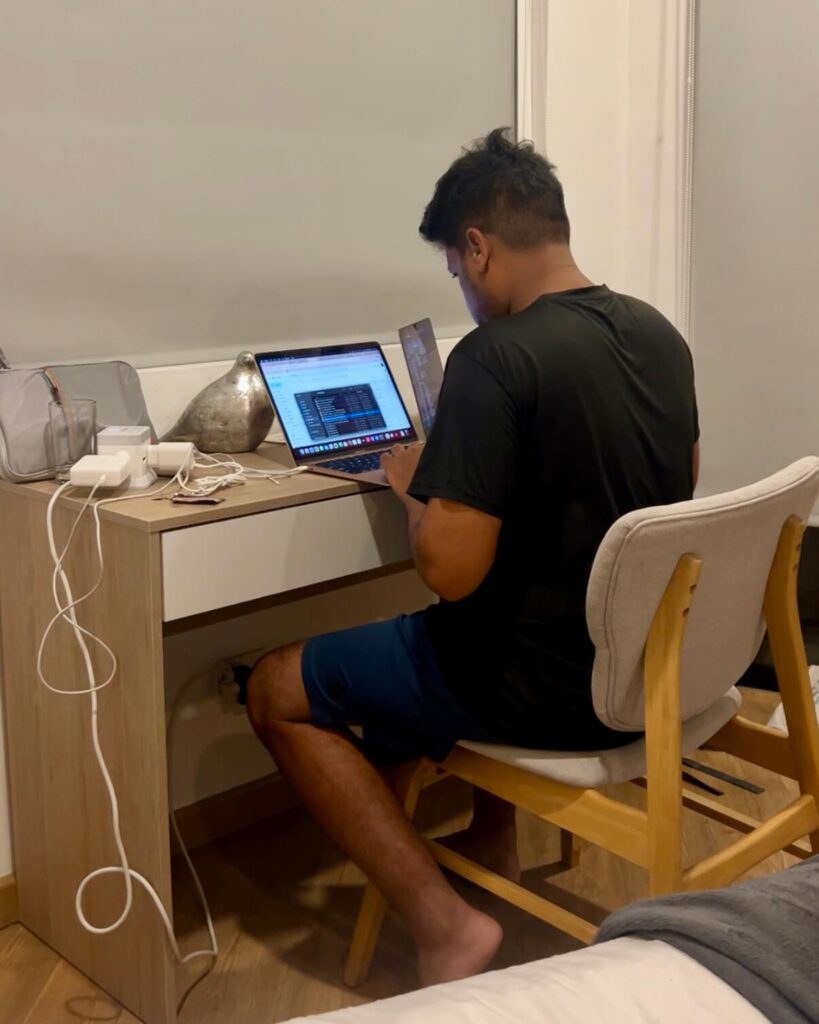
Let me state a few examples:
- 20% TCS: If you buy and spend more than 7 lakhs of forex in one year, then you have to pay a TCS of 20% on every transaction.
- Forex: A company through which we’d taken a forex card actually refused to load our card while we were abroad. They wanted the visa of each country we’d be travelling to and to see return tickets back to India in order to do so. They also asked for all immigration stamps. When we told them that we have a US visa and, as such, we can’t provide you with the visa of each country since we don’t need one, they said they couldn’t help us.
- Insurance: If you travel for more than 182 days abroad, then you have an NRI (non-resident Indian status) status, meaning you won’t even be given travel insurance for a period larger than 180 days, even if it is a day or two extra. Travel insurances in India are significantly cheaper than those abroad but we’re left to our own devices.
And for the insurance that we did avail, we had a 72-email back and forth conversation for 3 months before our insurance claim was approved. - Credit Card: A credit card company actually blocked one of our cards after we recharged our phone online, saying that we’d done a prohibited transaction. What? Trying to explain to them the nature of the transaction meant several emails over a couple of months. It was crazy.
16. Just book that trip. Travel now, not when you’re old!
I know the norm is to save, save, and save and then travel after you’ve retired. And for us Indians, the norm is never to really spend on yourself and travel. Whichever it is, we’ve got to break away from this societal norm.
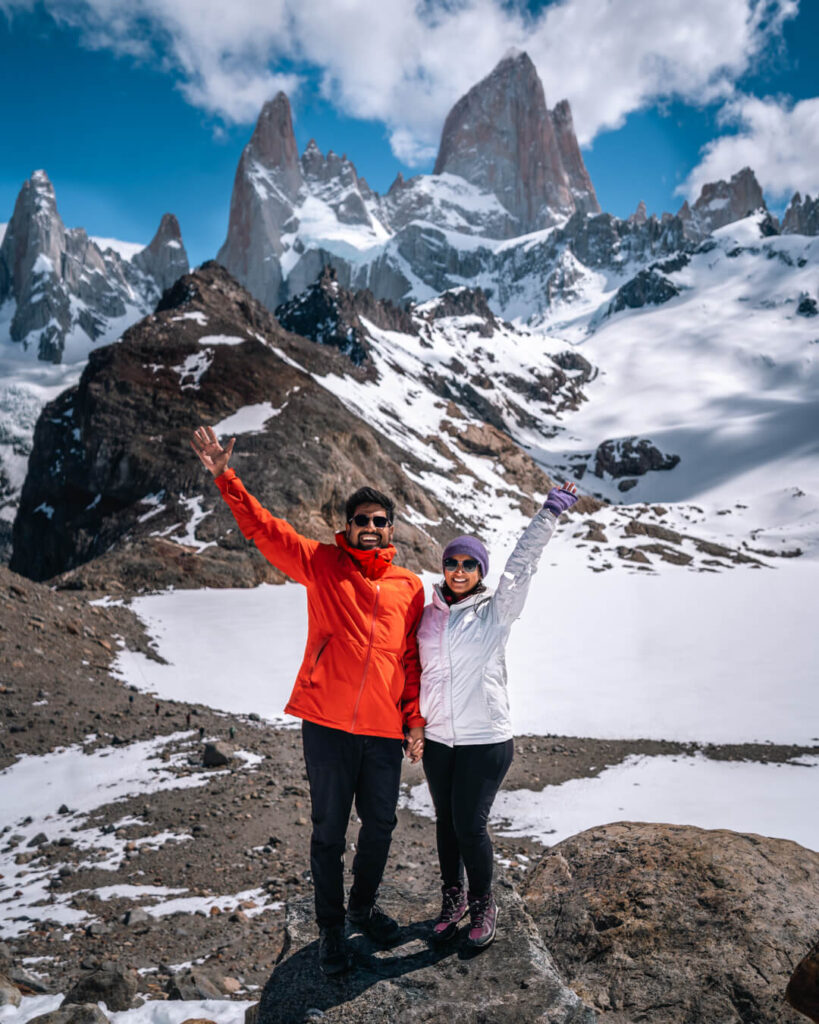
On this trip, my knees were a mess and I was so glad to be doing this trip now. What will be the state of my knees later? Would I be able to hike up a volcano in Guatemala at 60? Would I be able to jump into cenotes in Mexico? Would I have the strength to do long, strenuous hikes in Patagonia? Or to take overnight bus rides. Well, who knows?
So, why should we wait to travel in retirement when our bones are weak and frail? When we’re set in our values and beliefs with no scope for any change. When we’re less social and less willing to adjust. Who knows, we’ll even live till retirement. Life is too short to see it pass by.
So, start travelling when you’re young. This will help you truly enjoy the meaning of travel. To meet people. To try new things. To be adventurous. To adapt to new situations easily. To learn from other’s life experiences and cultures. To be who you want to be. And let travel shape you for the better. An empathic person who is aware of the world around them.
I’m sure we have even more learnings and realisations on the road but just haven’t realised them to put them into words. But I hope you found this post interesting and learnt something new. Before you leave this page, I’d love to know what travel has taught you. Do drop your thoughts in the comments section below or feel free to DM us on Instagram.
Read our other posts on our 6-month world trip
Some of the links in this blog post, ‘Learnings from our World Trip’, are affiliate links. We may earn a commission if you make a purchase by clicking through them. This will be at no additional cost to you. We only recommend products that we use ourselves and that might be beneficial for you.