
Planning 3 weeks in Italy sounds like a dream until you actually try to map it out.
Too many cities, too many “must-sees”, and very quickly you’re either rushing through Italy or spending half your trip on trains.
This 3-week Italy itinerary is for you if you want to see Italy properly without burnout. It balances iconic cities with slower regions, avoids unnecessary backtracking, and leaves you enough breathing room to actually enjoy meals, take leisurely walks and make spontaneous detours. Not just tick boxes.
We followed this exact route on our own first trip to Italy, and it ended up being one of our favourite travel experiences ever. Having three weeks meant we could see the famous cities properly while still slowing down in places like the Tuscan countryside and the Dolomites.
So yeah, if you’re visiting Italy for the first time and don’t want to rush it like most people, this route gives you depth over chaos without missing the highlights that make Italy special.
Is This 3-week Italy Itinerary Right For You?
This itinerary is ideal if you:
- Are visiting Italy for the first time
- Don’t want to rush your first trip, yet see the major cities and regions.
- Want a mix of cities as well as the countryside and coast
- Are comfortable using a combination of trains and cars to get around
This itinerary may not be ideal if you:
- Have only 7-14 days. In that case, check out this 10-day Italy itinerary
- Want to base yourself in one city only
- Are travelling with very young kids and need minimal movement
- Prefer to visit offbeat places only. As this is a first-timer’s itinerary, it covers a lot of the more popular and frequented cities and regions.
Why 3 Weeks Works So Well for Italy
Italy looks small on a map, but there is sooooo much to see! You can’t possibly get a good taste of Italy on shorter itineraries without excessive travel and unreasonably packed days.
With 3 weeks, you can:
- Travel mostly by train comfortably without constant packing/unpacking
- Balance busy packed days with slow leisurely ones
- Experience regions, not just cities. Visit the iconic cities (like Rome, Florence, Milan and Venice) yet have time for the coast (Cinque Terre/Amalfi), the countryside (Tuscany) and the Italian Alps (the Dolomites).
- Handle delays and bad weather without stress
Shorter trips often force you to stick to the main cities, which makes you miss some of the best bits. Three weeks lets you enjoy them without constantly feeling like you’re leaving too soon.
How this itinerary is structured
- Logical south-to-north flow
- No backtracking
- Built-in slower days after major cities
- Enough time in places where it is needed
- Easy to shorten or extend depending on your pace
When to Visit Italy for 3 Weeks
The best time to visit Italy are the shoulder months from April to June. The weather is manageable and usually so are the crowds. September and October are considered ideal months, but I’ve noticed that there are always heavy rains during these months.
July-August are the peak season months when it can get extremely hot, crowded and expensive in Italy. So avoid this time if you’re averse to crowds. We visited during this period and, honestly, did not mind as we had set our expectations accordingly.
November to February are winter months. You’ll encounter snow and days will be short. While it is not ideal, you can opt to visit in this season if you’re on a very low budget, as prices will be lowest. However, certain parts of our 3-week itinerary below may not work for you, like the Dolomites (it’s a ski destination in the winter so the itinerary will have to be adjusted) and Cinque Terre (most restaurants and guesthouses will be closed but it will be nice and peaceful).
How to Get Around Italy for Three Weeks
The best way to get around Italy in 3 weeks is by train. The trains are fast, efficient, and on time, so they will help you make the most of your time in the country. You can book trains prior online (especially during peak season from July to August) or even at the train station kiosks. The official website for trains is Trenitalia, but usually we prefer pre-booking on websites like Omio, as we can book trains for all of Europe from the same website.
Within the cities themselves, you can use the tram, bus, metro, train, and taxi. However, there are certain places where renting a car is necessary because public transport is lacking, like the Dolomites and the Tuscan countryside. You can easily use DiscoverCars.com to rent a car.
You will need an international driving permit (IDP) to rent a car if you’re not from the EU. In Italy, we were asked to present an IDP each time we rented a car. It was quite convenient that the International Driver’s Association provided us with our IDP (soft copy) in just eight minutes. It took a week for the hard copy to arrive.
Tip: Do not forget to validate your ticket while using public transport. Validation means getting your ticket time stamped before or just after boarding the vehicle. If your ticket is not validated, you may be fined heavily if caught. At train stations, there is usually a green machine at the platform in which you need to insert your ticket to validate it, and the local public transport will have a yellow machine inside the vehicle.
Tickets purchased online do not need validation.
Quick Booking Links
✈️ Flight Search: Skyscanner
🏨 Hotels: Booking.com and Expedia
🏩 Hostel: Hostelworld.com
🚘 Rental Car: DiscoverCars.com
🚌 Bus: Flixbus, Busbud
🚞 Train: Omio (Europe), 12Go (Asia)
🗽 Tours and Activities: GetYourGuide
🧳 Luggage Storage: RadicalStorage
📞 E-sim: Airalo
📄 Travel Insurance: SafetyWing
🪪 International Driving Permit: International Driver’s Association
3 Weeks Italy Itinerary
Map of this Italy 3-week itinerary

Note: This itinerary starts in Rome and ends in Venice. Italy was part of our larger 10-week Europe itinerary, and this route was the best way to maximise our time. Rome and Venice both have international airports, so you can easily do this very route as a standalone trip.
However, you might find the cheapest flights to Milan, as it is a major transport hub. In that case, you can start in Milan and end there too if you’d like. Your route would look like this:
Milan > Cinque Terre > Florence > Rome > Naples > Venice > Dolomites > Milan
Be warned starting and ending in Milan doesn’t maximise you’re route, so you’ll have to take an extra train ride, which will also cost you a fair amount.
Days 1 to 4: Rome
Start your 3-week trip in the capital of Italy, Rome.
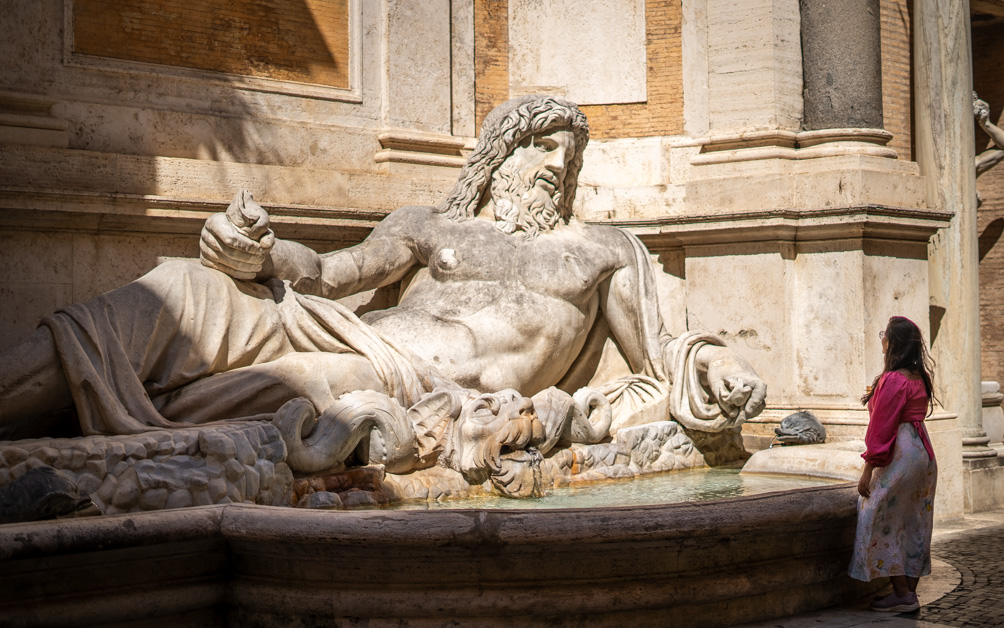
Rome, also called the “Eternal City”, is a city steeped in 3000 years of heritage. It is an open-air museum where ancient architecture and ruins blend seamlessly with modern life. The city truly captivates you with its history, art, and the sheer grandeur of its age-old structures. Not only that, but Rome is also the only city in the world that houses a whole other country—the Vatican, which itself is a marvel to visit.
Sights and experiences to not miss in Rome:
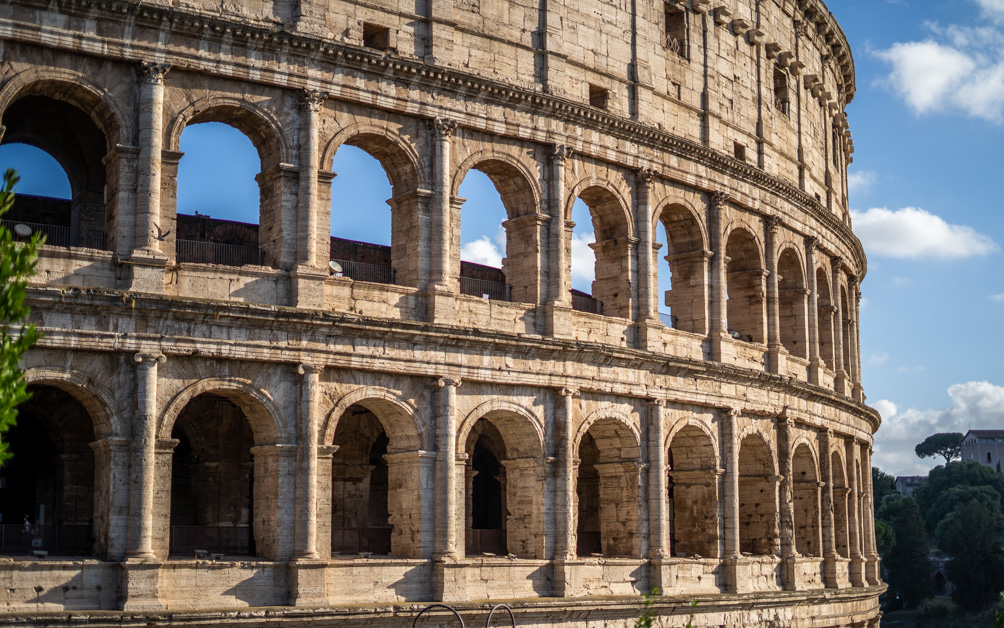
- The Colosseum and the Roman Forum: One of the 7 wonders of the world
- St Peter’s Basilica and Vatican Museums: A different country altogether
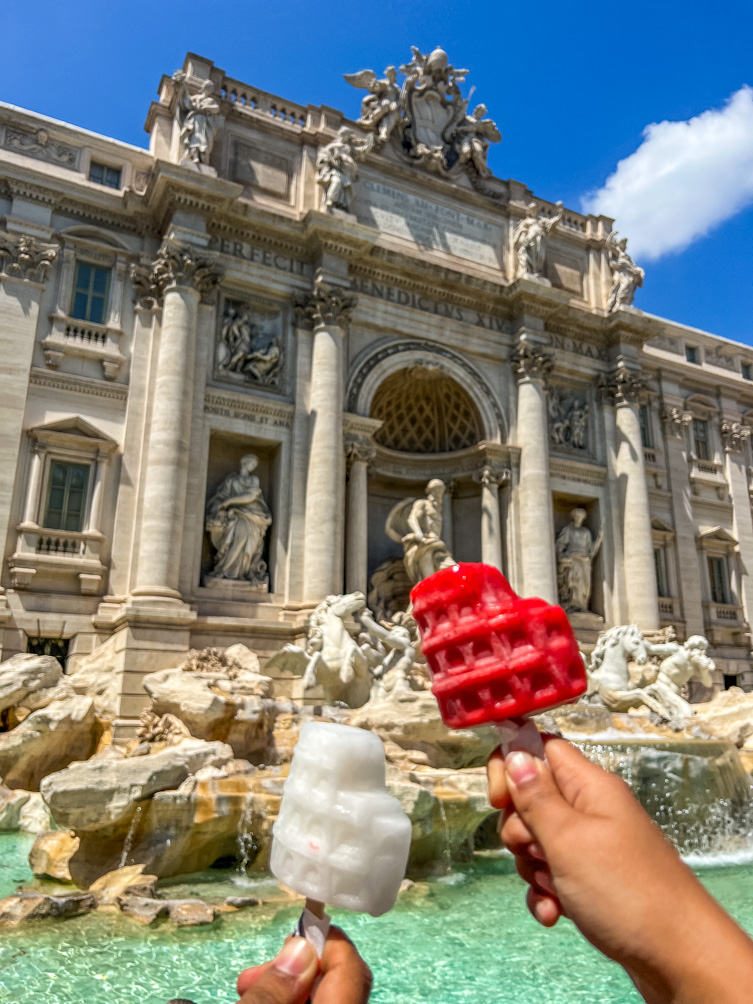
- A walk through Rome’s Historic Centre, seeing sites like the Pantheon and Trevi Fountain (do the Rick Steves Free Audio Tour)
- Villa Borghese
Follow our Rome itinerary to know how to spend each day in the city. The itinerary starts at Day 0 and goes up to Day 3, which basically encompasses all of your 4 days in the city.
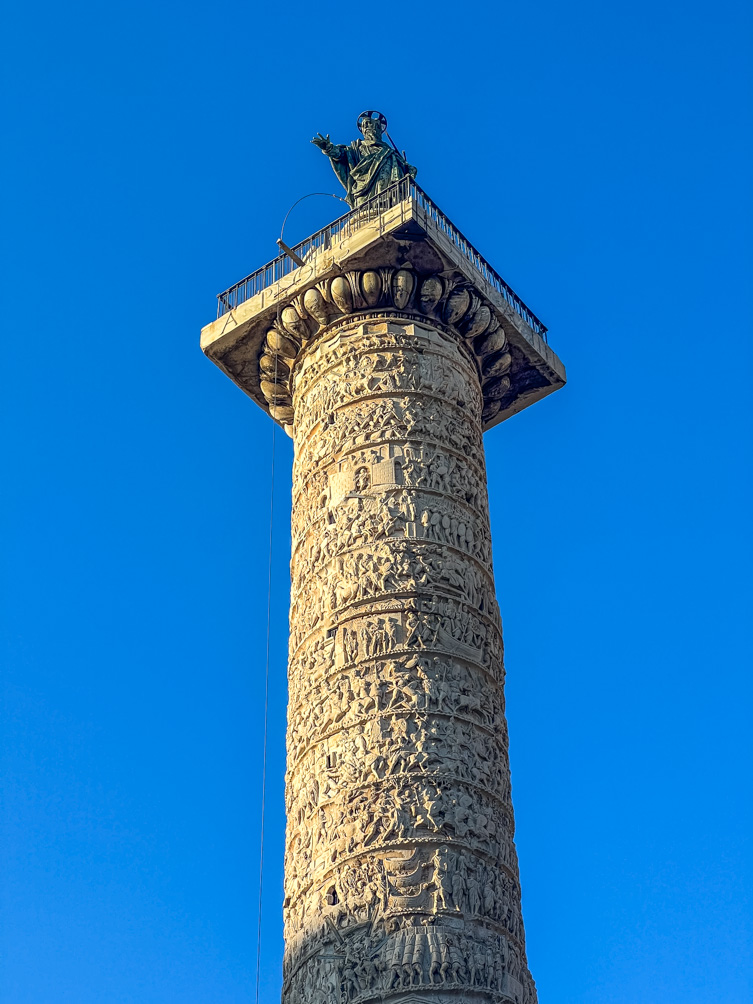
How to Get Around Rome
To get around, you can use the metro, buses and trains. We used a combination of all three depending on what was closest to us or taking the least amount of time. To figure the route out, you can use Google Maps, Maps.me or City Mapper.
Where to Stay in Rome
The Centro Storico, which is home to famous locations like the Pantheon, Piazza Navona, and Trevi Fountain, is the best place to stay in Rome. You’ll be close to all the sights and be able to walk to most spots. Another fantastic neighbourhood is Trastevere, which has fantastic restaurants and a thriving nightlife. However, since we couldn’t find any accommodation in these areas in our budget, we stayed at CasaValentina in Aventino, and it turned out just fine.
Day 5: Pompeii and Naples
On this day, you’re going to explore the ruins of Pompeii and spend the remainder of your time enjoying pizzas in its birthplace, Naples.
Pompeii
Pompeii is an ancient city frozen in time that offers a glimpse into Roman life as it was 2000 years ago. The city is located close to Mount Vesuvius, a volcano that erupted in 79 AD and covered the entire area with ash. What happened here was quite sad, but this very volcanic ash is also the reason why the city is so preserved with almost intact streets, homes, and public spaces.
Walking around this ancient city is a fascinating journey into the past!
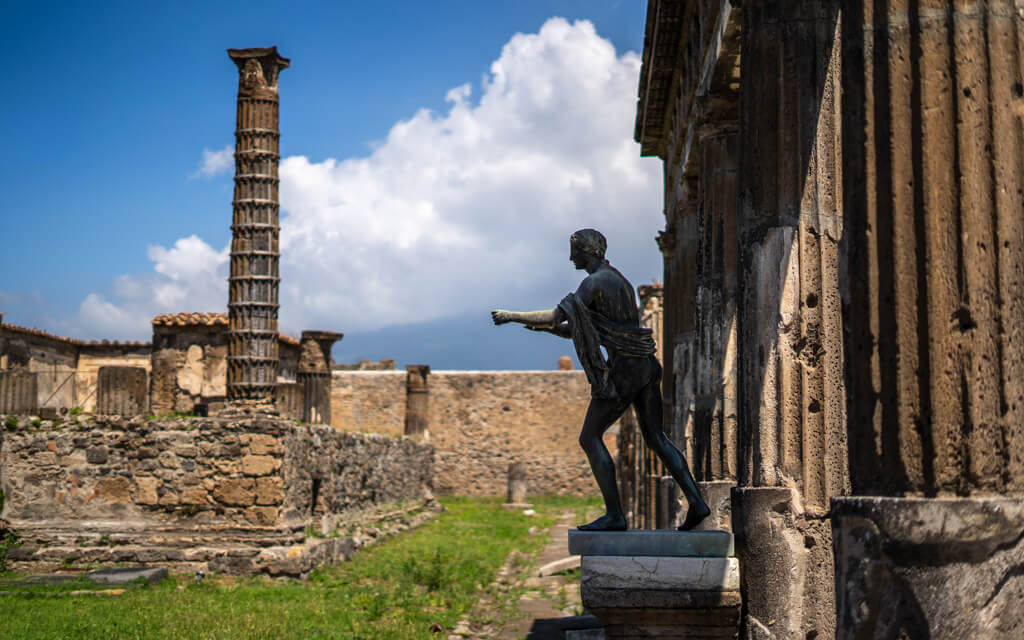
To get here, take the train from Rome (any station) to Naples (Napoli Centrale). Store your luggage at the luggage storage at the Naples Train Station, grab a bite at one of the many eateries at the station itself, and then take the regional train to Pompeii Scavi station (buy the ticket at the station itself). This station is right in front of the Pompeii archaeological site. After exploring, you can easily make your way back to Naples the same way you came.
To explore the site, I highly recommend doing a guided tour of Pompeii. We did an independent trip using the Rick Steves Audio Tour and found it a bit confusing since the routes and entrances in Pompeii keep changing from time to time. We wished we’d done the guided tour instead.
Naples
Naples is Italy’s third-largest city after Rome and Milan. It is raw, vibrant, and unapologetically authentic – some might call it a bit rough around the edges. While Naples does have chaotic streets and feels kind of dirty and unsafe, it also oozes in historic charm and incredible food. Its culinary scene is much renowned, and food is cheap. And so you’re here for one and one reason only- to sample pizza in the birthplace of pizza!
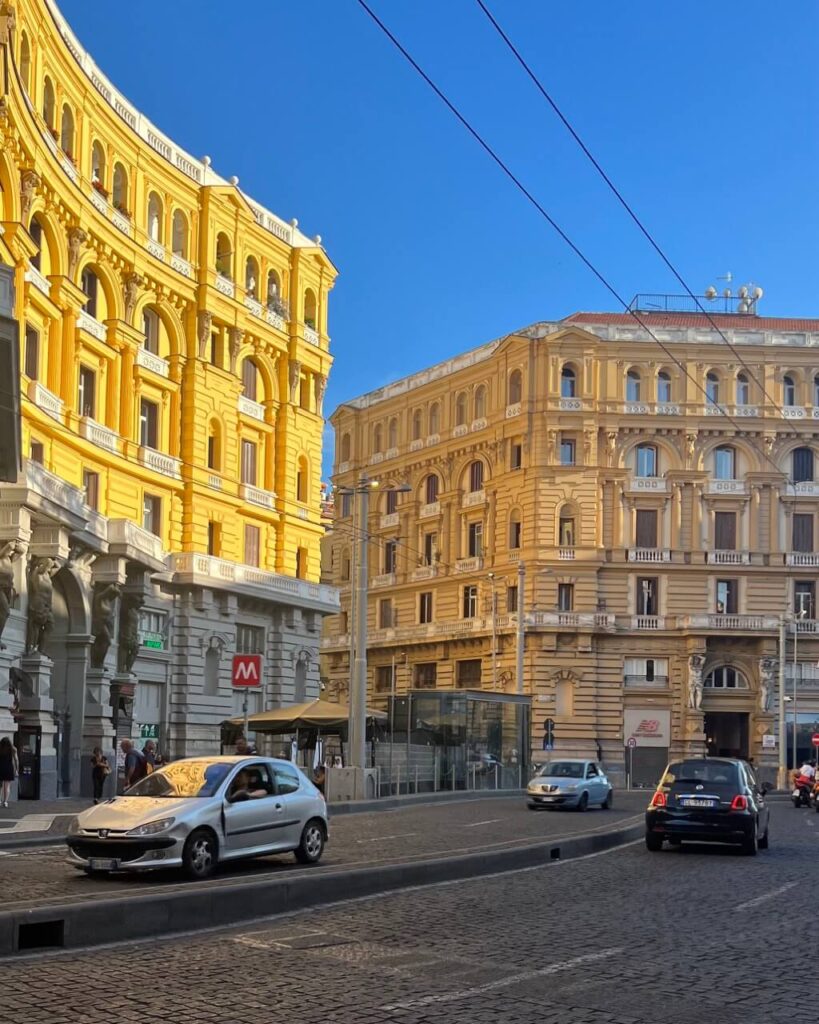
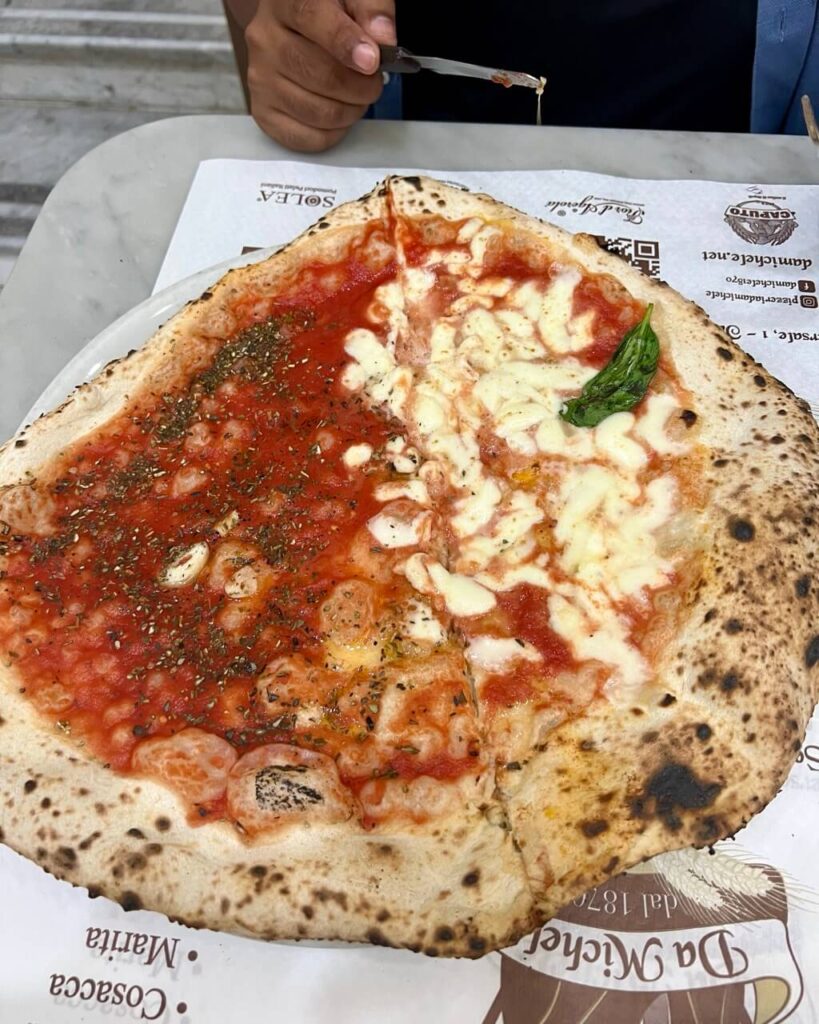
After you reach and get settled in your hotel, I would highly recommend heading to Pizzeria da Michele for the margarita pizzas. Neapolitan pizzas (Naples-style pizzas) are soft and melt in the mouth, so don’t expect crisp pizzas. It wasn’t something we were used to, but I have to say that it was the best pizza we’ve ever had. Simple yet bursting in flavour!
This pizzeria was featured in Eat Pray Love, so it is quite popular. Many prefer to do a takeout because they think that the queue would be too long for a seat, but we observed that getting a seat inside was in fact faster than getting a takeout pizza.
After we had pizza, we took the metro to Toledo metro station (which, btw, is stunning) and simply walked aimlessly around via Toledo (Naples’ main shopping area) all evening.
However, you can instead head to Lungomare, the 2.5 km waterfront path. For dinner, head back to Via Tribunali to try the world-famous Margharita Bufala pizza at Gino e Toto Sorbillo and to Di Matteo for the city’s tastiest arancini (rice balls).
How to get around Naples
If you get the location of your stay right, you’ll simply be able to walk around everywhere or take the metro. However, Uber is also a viable option here in case you really need it.
Where to stay in Naples
Stay in Centro Storico near or on Via Tribunali. You’ll be within walking distance of the train station, which is great. It is best not to stay extremely close to the station, as the area can be a bit rough.
Days 6 to 8: Florence
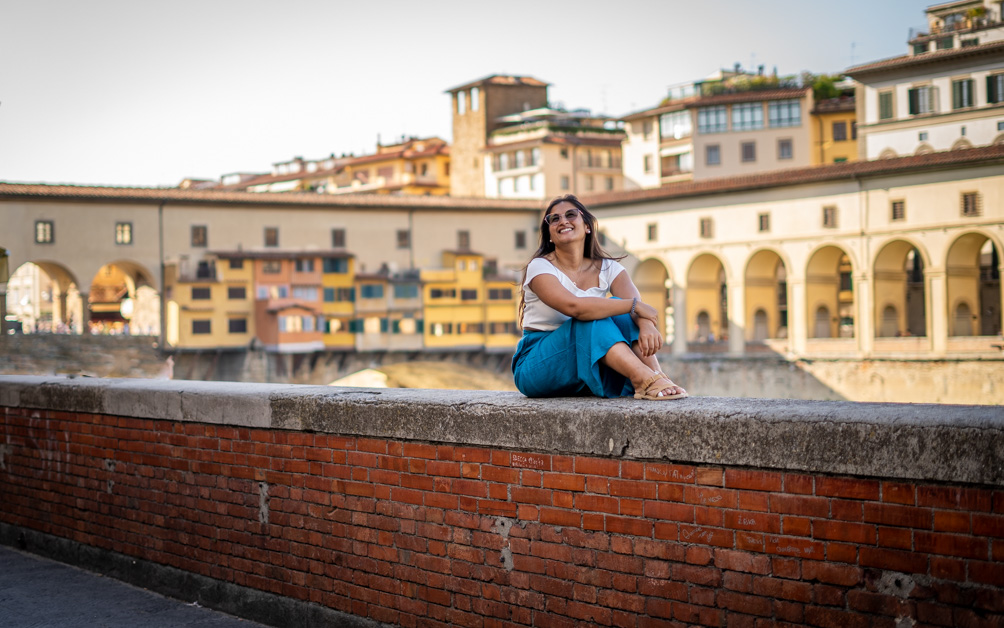
It’s impossible to not fall in love with Florence – the city of art, the birthplace of the Renaissance. It is where renowned artists like Michelangelo, Botticelli, Leonardo da Vinci and many more lived and created their masterpieces. Just a stroll around the major piazzas of the city and you’ll really feel the city’s love for art. So obviously, you cannot SIMPLY CANNOT leave without visiting its world-class museums.
While art in Florence takes centre stage, it isn’t the only thing to see. Whether you’re sipping a glass of Tuscan wine that you’ve just purchased from a “wine window”, enjoying the view of the city from towers and vantage points, or simply soaking in the lively atmosphere of its piazzas, Florence has a way of capturing your heart.
Sights to not miss in Florence:
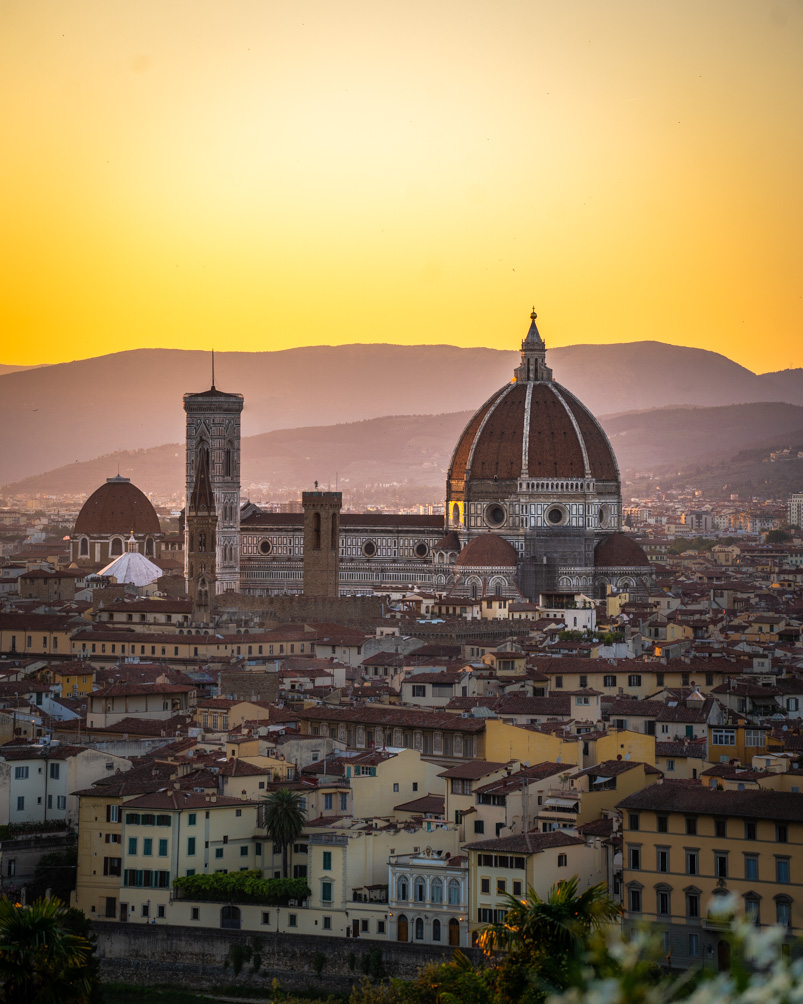
- The Duomo: this is the most gorgeous building we’ve ever seen
- Accademia Gallery: to see the original statue of David by Michelangelo
- Uffizi Gallery: the 2nd oldest museum in the world
- Piazzale Michelangelo: gorgeous sunset view over Florence
- Officina Profumo: Farmaceutica di Santa Maria Novella – the oldest pharmacy in the world now selling perfumes and skincare
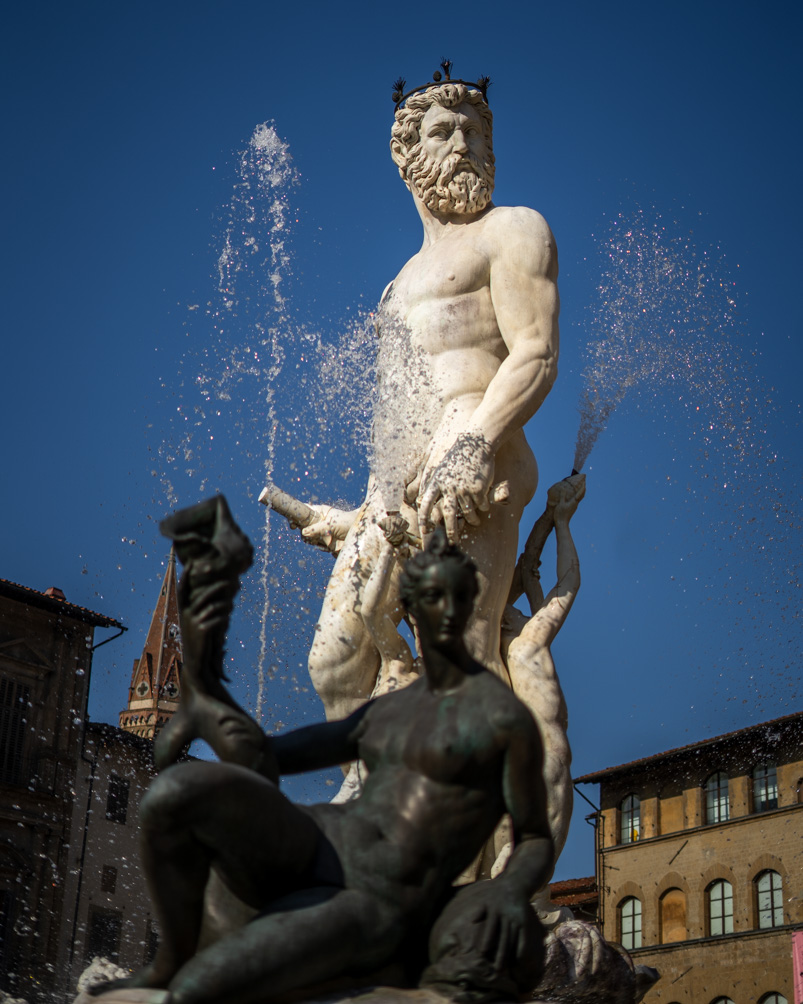
- Piazza della Signora: a city square dotted with sculptures
To plan and make the most of your 2.5 days here, read our detailed Florence itinerary!
How to get to Florence
To reach Florence, take a train from Naples (Napoli Centrale) to Florence (Firenze Santa Maria Novella). This station is right in the heart of the city, so you can walk everywhere. However, if you must, you can take a bus, tram, or cab to get around.
Where to stay in Florence
Stay close to the attractions in Centro Storico. The downside of staying here is that the accommodation will cost more than other areas. The upside is far greater – you will not need to take public transport. You’ll be able to see all the sights on this itinerary by simply walking around, which will save precious time and even some money.
Days 9 to 11: Tuscan Countryside
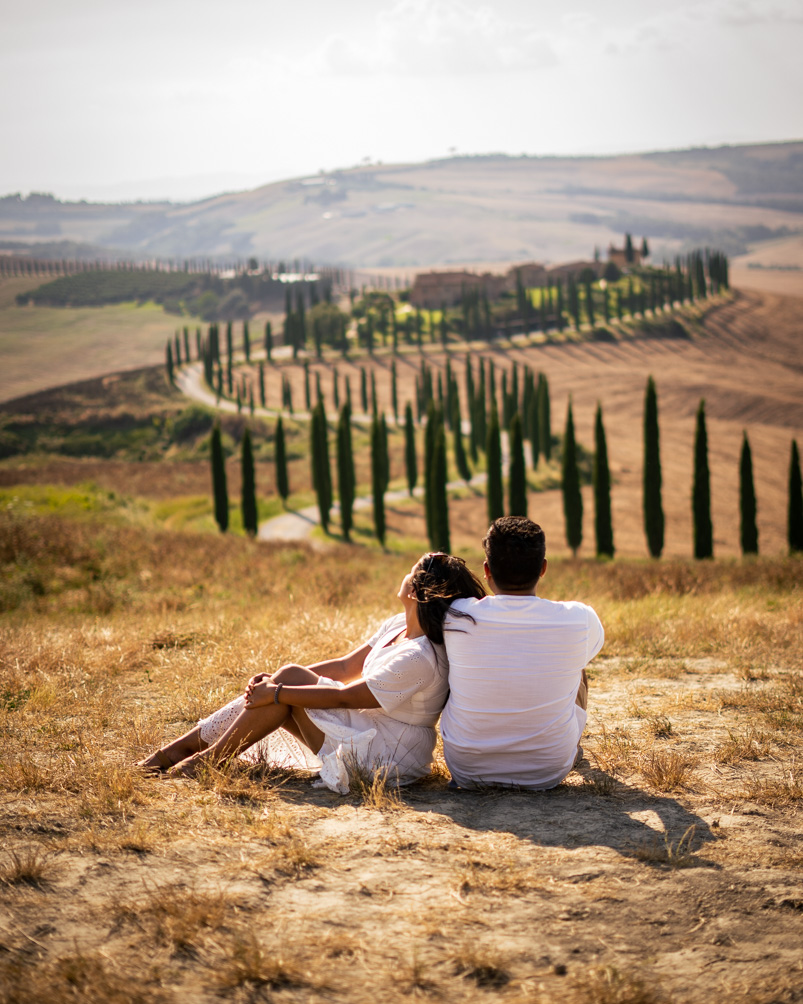
If you like to slow down and enjoy the simple pleasures of life, Tuscany is for you. The Tuscan countryside is the epitome of Italian charm, with rolling hills, cypress-lined roads (tall and thin trees pictured below), and golden sunsets. The best things to do here include staying in gorgeous farmhouses (agriturismos), visiting medieval hilltop towns, tasting wine in vineyards, and eating super fresh and delicious food. Tuscany offers a rich sensory experience.

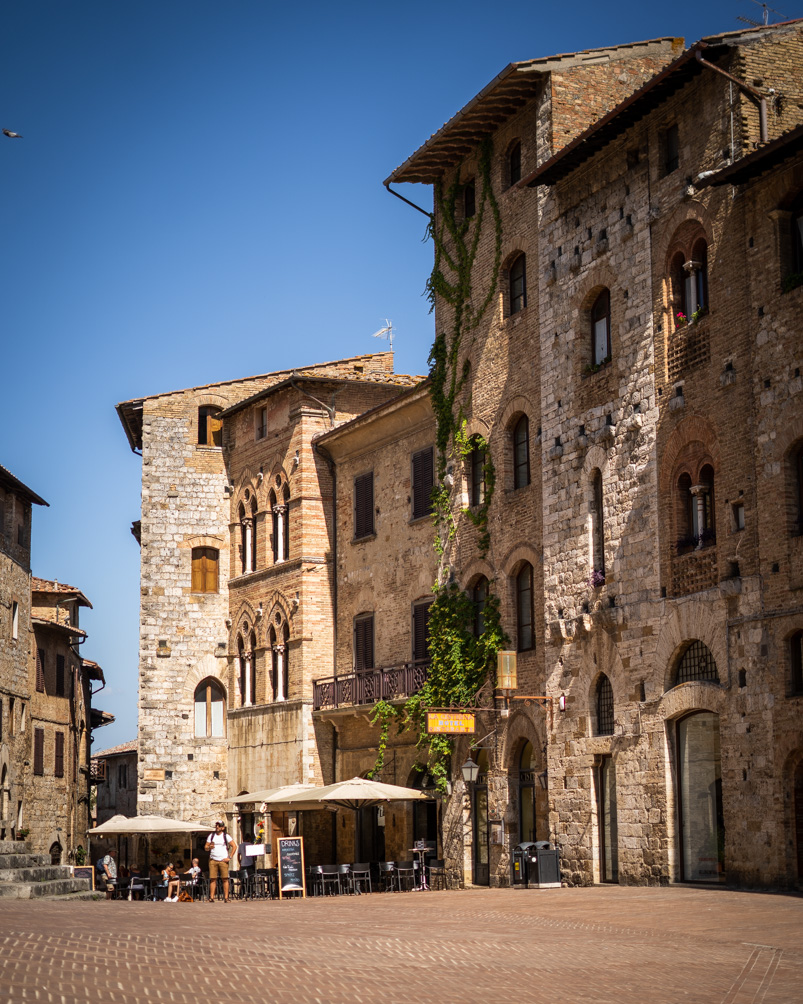
Here’s an example of how you could spend your 3 days in the region:
Day 1
- Rent a car from Florence Airport
- San Gimignano: Spend the morning and early afternoon in this charming medieval town. Walk around the town, enjoy the views of the countryside and enjoy a delicious meal at Ristorante Bel Soggiorno; this was the best meal we had during our three weeks in Italy. Call them to reserve a window-side table beforehand; the view is spectacular.
- Saturnia: Drive to Saturnia and check into your hotel in Saturnia for 1 night.
- Dinner: Have dinner at Trattoria Ristorante Enoteca La Cascia in Montemarno. The food is divine.
Day 2
- Saturnia Hot Springs: Visit the Saturnia Hot Springs around sunrise when crowds are the least. The earlier, the better. After your hot soak, return to your hotel to shower, grab breakfast, and check out.
- Val d’Orcia: Drive around the charming area of Val’d’Orcia, visiting spots such as Agriturismo Baccoleno, Punta Panoramico via del Pecorile and Agriturismo Poggio Covili.
- Siena: Check into your hotel/agriturismo near Siena for 2 nights.
Day 3
- Do a wine tour in Chianti. Please do pre-book the wine tour.
- Explore the city of Siena (follow the Rick Steves audio tour). Don’t miss going inside the Cathedral of Siena.
The next morning, return the car at the airport in Florence before heading to Cinque Terre.
Days 12 to 13: Cinque Terre
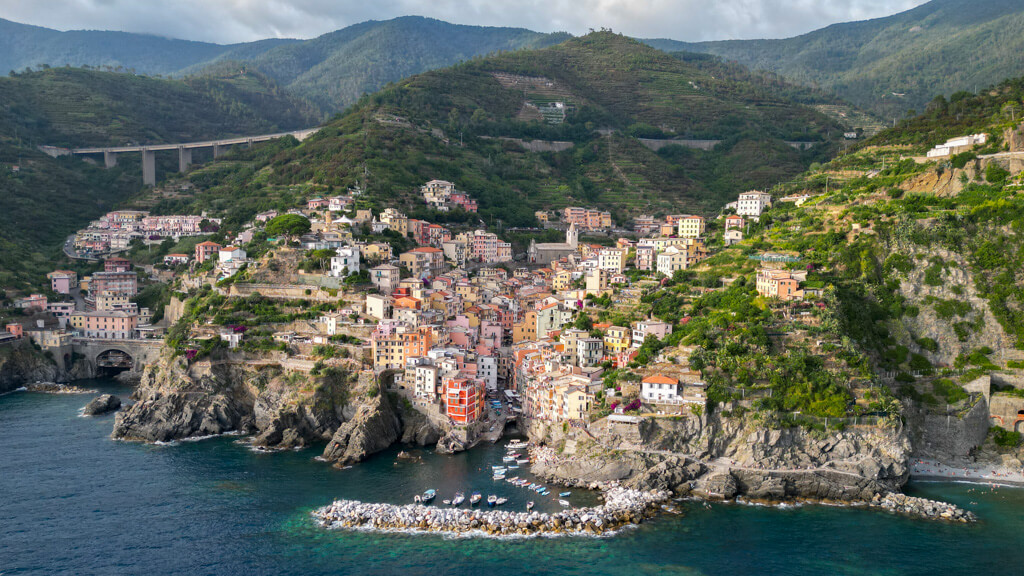
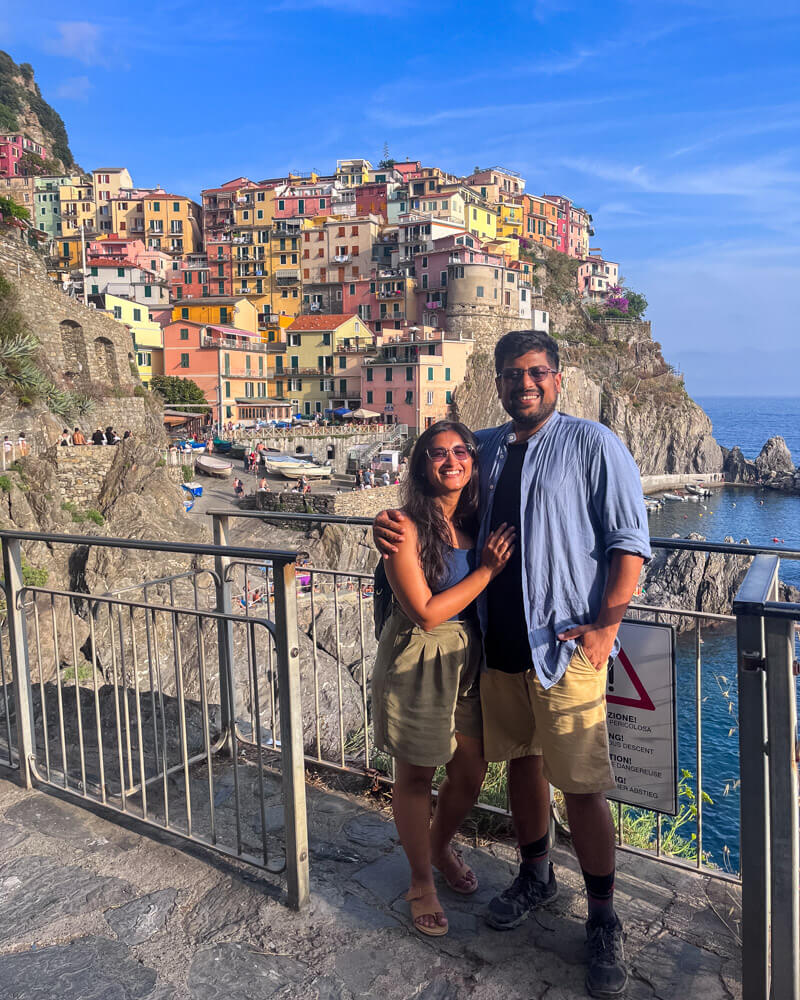
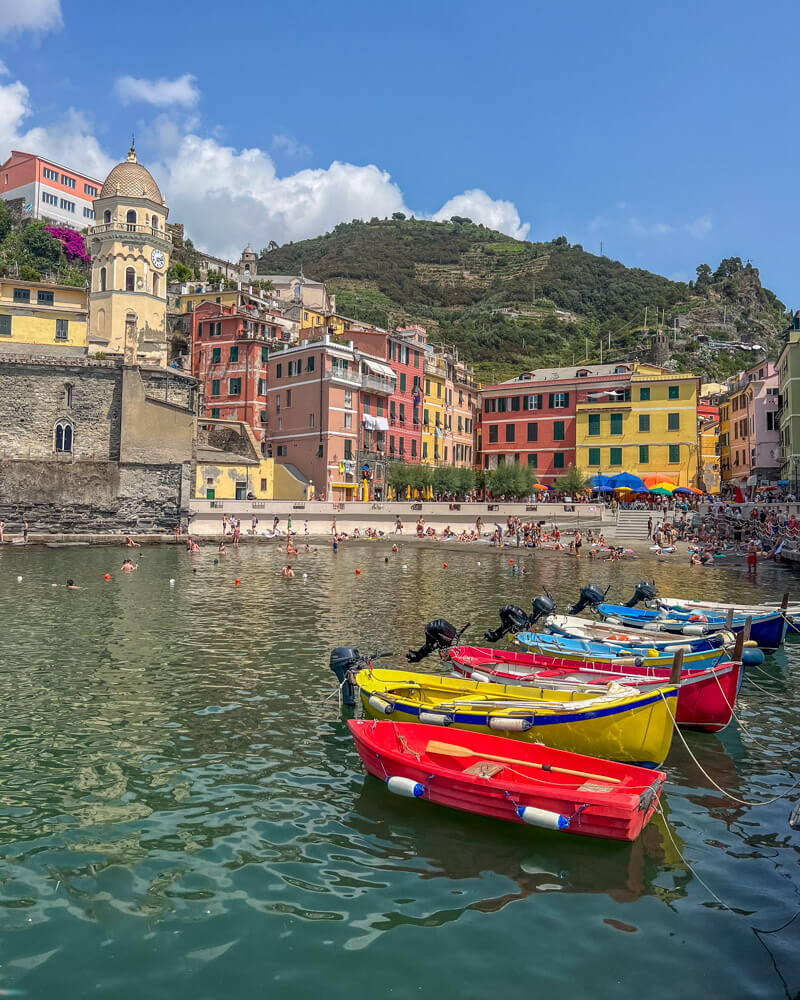
Cinque Terre is a group of 5 villages in the Italian Riviera, namely Riomaggiore, Manarola, Corniglia, Vernazza, and Monterosso. They’re known for their picture-perfect colourful houses, turquoise waters, and dramatic cliffs. You can stay in either of these towns and take the train to explore all of these five villages – yes, it’s possible to do so in 1.5 days – or even hike between them on a scenic trail along the coastline through vineyards and farmland for epic views.
For a complete guide to visiting these villages, read our Cinque Terre guide and itinerary.
How to reach Cinque Terre
Book a train from Florence (Firenze Santa Maria Novella) to La Spezia (2.5-hour journey) and then a regional train to the town where you’ll be staying. All five villages are connected by the regional train, which makes it easy to get around even if you’re not into hiking.
Tip: I would suggest booking a direct train from Florence to La Spezia to save time and effort on changing platforms. However, if you want to visit Pisa, then you can break up the journey by opting for a train to Pisa and then to La Spezia. On reaching the station at Pisa, store your luggage at the station itself or use a service like Radical Storage.
Where to stay in Cinque Terre
Deciding the town to stay in Cinque Terre can be super confusing. I usually recommend Riomaggiore or Manarola. However, since accommodation in Cinque Terre is expensive, I’d recommend choosing any accommodation in any town. Whatever suits you best and fits your budget. Another town where people choose to stay is La Spezia, which is not in Cinque Terre but close by and very accessible.
Note: You can substitute Cinque Terre with the Amalfi Coast and visit it after Naples. You can also substitute it with Portofino, which is very close to Cinque Terre.
Days 14 to 15: Milan (with a day trip to Lake Como)
Milan is the modern heartbeat of Italy, where fashion and business meet centuries of history and art. And when you get here, you will start noticing this right at the train station itself. Milan was the only place during our 3 weeks in Italy where I felt awkward to not have been dressed super well.
You’re heading to Milan to see a few iconic spots mentioned below. You will have to visit these places on your first day here because the 2nd day is for a day trip to the stunning Lake Como!
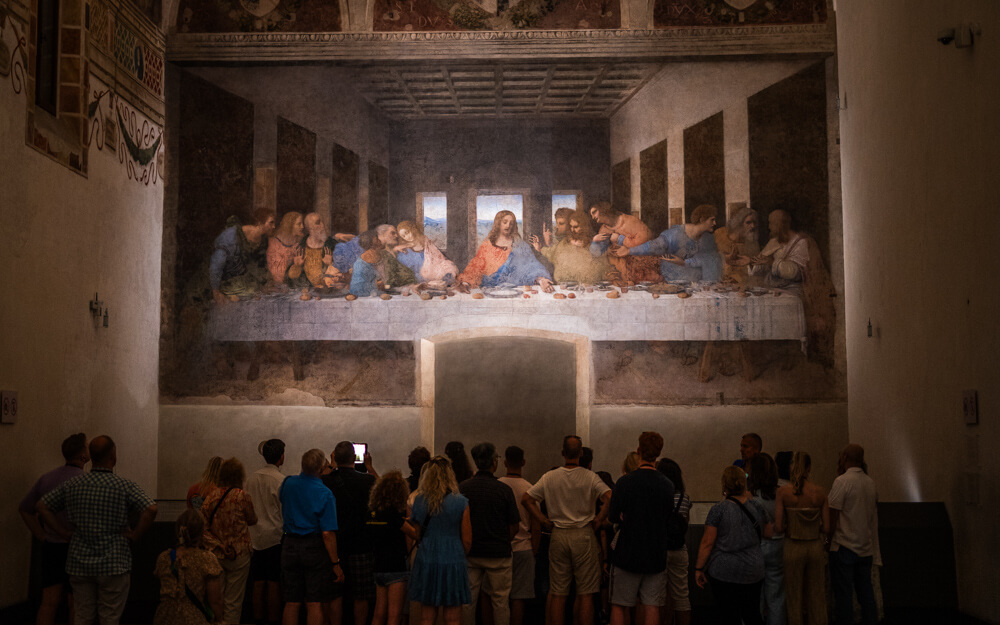
- The Last Supper: Leonardo Da Vinci’s billboard-sized masterpiece located in the church of Santa Maria delle Grazie is a must-see if you’re into art or art history. It can be tough to get the official tickets and tours are expensive (but a sure way of getting a ticket), so you should really want to see it. That being said, my husband is not an art enthusiast, yet he was mesmerised by the majestic fresco.
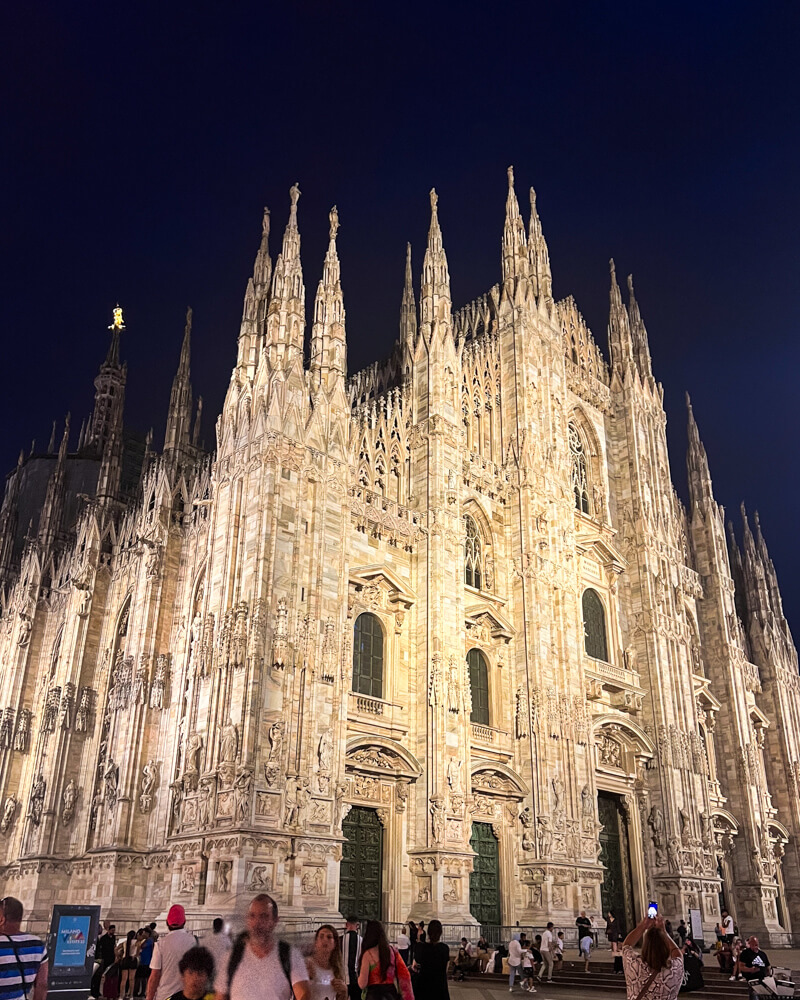
- The Duomo: This Gothic Church is awe-inspiring with all its little details. We didn’t get a chance to go to the terrace, but I highly recommend that you do because it looks amazing!
- Galleria Vittorio Emanuele II: This gallery is often called the world’s oldest shopping mall. After your visit to the Duomo, walk through it to admire its glass roof, intricate mosaics, and all the high-end shops.
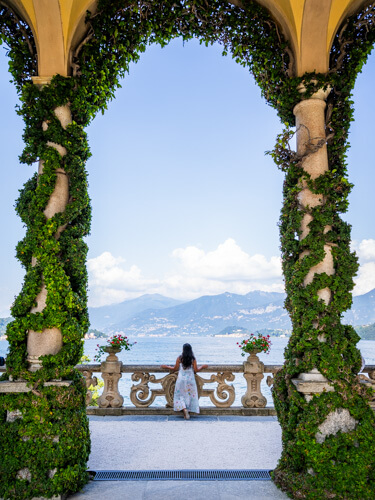
On your second day, take a day trip to Lake Como. You can easily plan it with our travel guide. It’s super easy to get there via train and spend a wonderful time visiting the gorgeous towns and elegant villas. You can also choose to spend the night in Lake Como if you’d like but let me warn you that accommodation can be massively expensive.
How to get to Milan
Take a train from your village in Cinque Terre to Milan (Milano Centrale). This journey will be a combination of the regional train and the high-speed train and will take about 3 to 4 hours. I suggest leaving from Cinque Terre early in the morning (by around 7-8 AM) so you can make the most of your only day in Milan.
To get around the city, you can use the metro, bus, and tram. Do not opt for a taxi or Uber, as they’re very tough to find and you’ll always be stuck in traffic.
Where to stay in Milan
Stay in the city centre close to the Duomo or the train station (Milano Centrale) because you have very limited time in Milan. Staying in this area will help you make the most of your time.
Check prices and book your stay in Milan
Tip: You can visit Verona for lunch on the way to the Dolomites. Verona is a beautiful city known for being the setting of Shakespeare’s Romeo and Juliet. You can even see the balcony of Juliet (it’s not really the balcony of Juliet but still a fun place to visit).
Days 16 to 19: The Dolomites
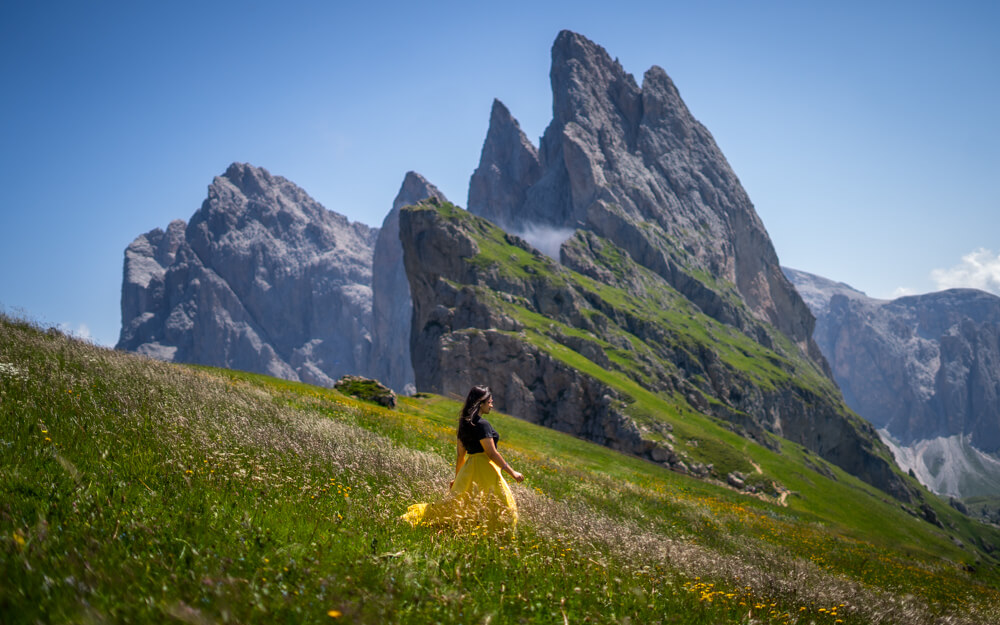
You’ve been awed by the coast and the cities; now it’s time to be mesmerised by the Italian Alps- the Dolomites. These mountains are known for jagged peaks, alpine meadows, and pristine lakes. The scenery is so spectacular it made us scream with joy on seeing it (not kidding!). Whether you’re a hiker or not, you’ll love the quaint villages, the stunning drives and the delicious mountain cuisine.
Spots you can’t miss in the Dolomites:
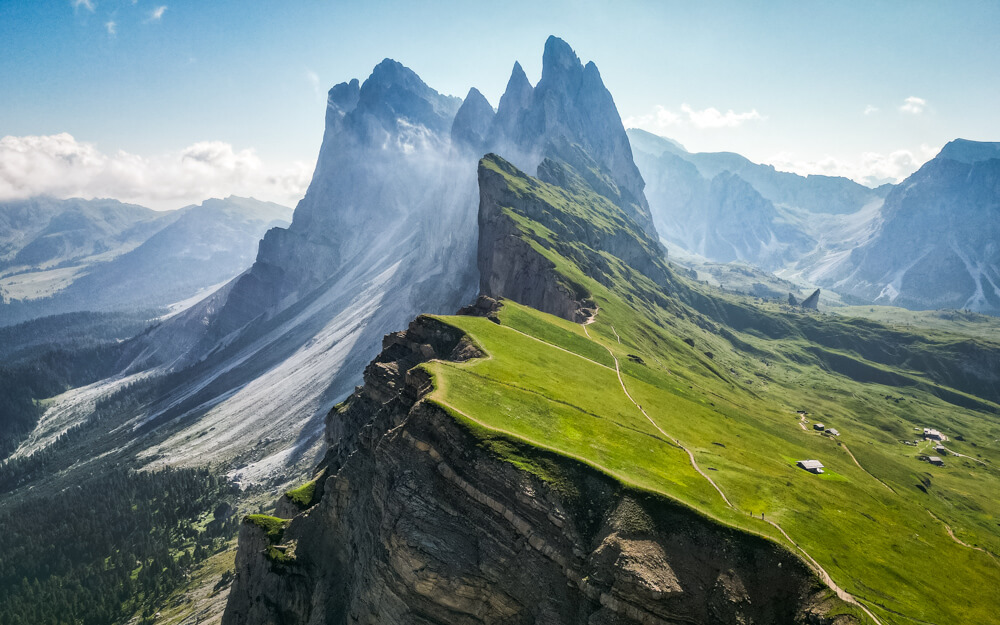
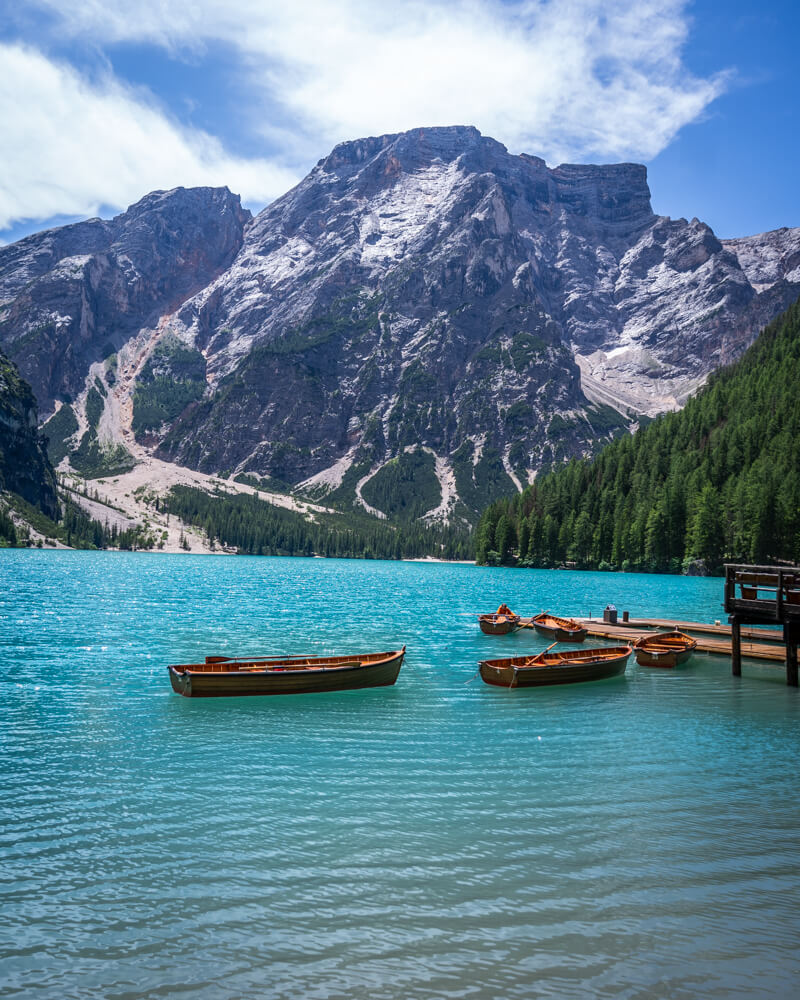
- Seceda Ridgeline (pictured below)
- Lago di Braies – stunning lake with beautiful blue waters
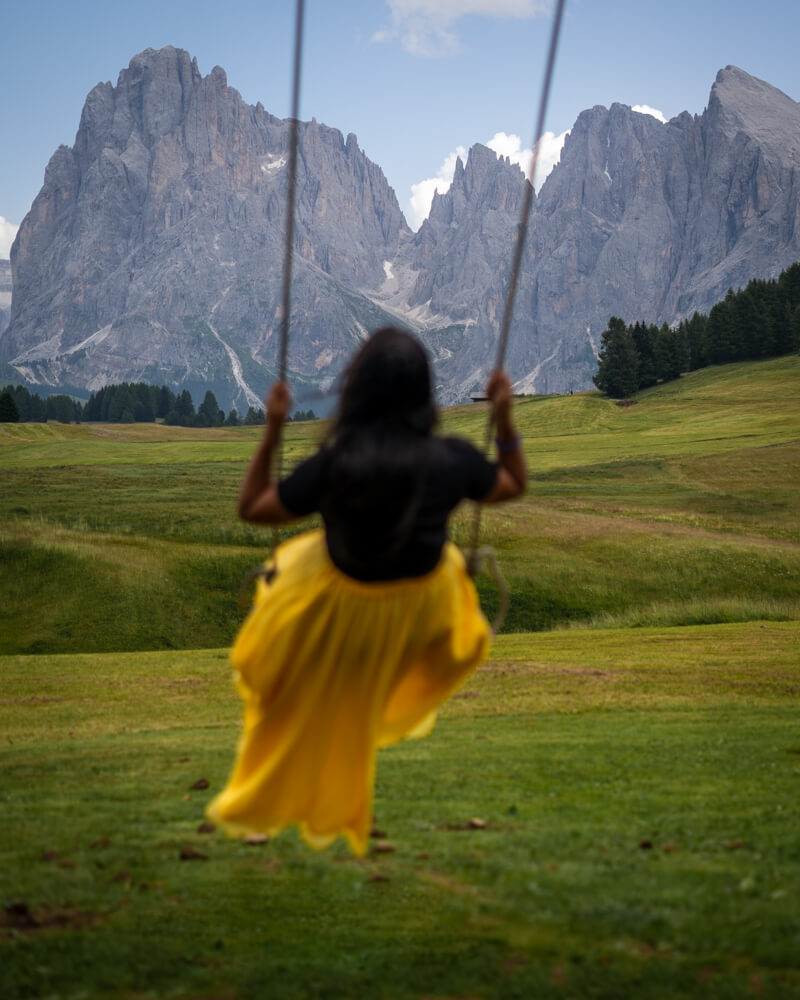
- Alpe di Siusi – Europe’s largest high-altitude Alpine meadow
- Tre Cime di Lavaredo
To plan your 4 days in the Dolomites, check out our Dolomites guide and road trip itinerary for all the details.
How to get around the Dolomites
The best way to see the Dolomites is by renting a car. Buses are available during the summer months but they’re best for longer-term trips only.
While following this itinerary, we rented a car from Milan, visited the beautiful city of Verona before heading to the Dolomites, and returned the car at our next destination, Venice.
Another way to get to the Dolomites would be to train from Milan to Bolzano and then rent a car to get around. You can then return the car at Bolzano itself or at Cortina d’Ampezzo.
This 4-day Dolomites itinerary will give you more clarity on a possible driving route to plan this section of your trip.
Where to stay in the Dolomites
Spend 2 days around Ortesei in the west Dolomites and 2 days around Cortina d’Ampezzo in the east Dolomites. This is ideal for making the most of your time in the region. However, if you don’t wish to change accommodation for your duration of stay in the Dolomites, then the area around Badia is a great option.
Day 20 to 21: Venice
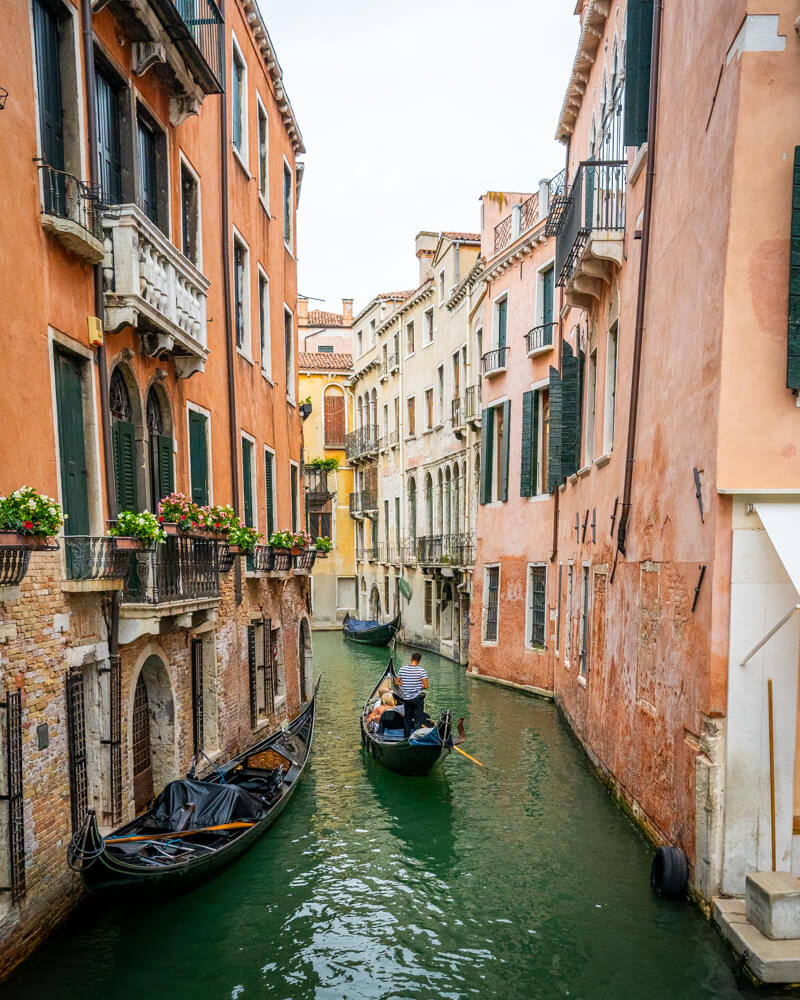
Venice is either loved or hated. People find it too crowded, too expensive, and don’t get the charm. And I don’t get these people who hate Venice so much because, well, most of Italy can be like that. Venice, it oozes charm.
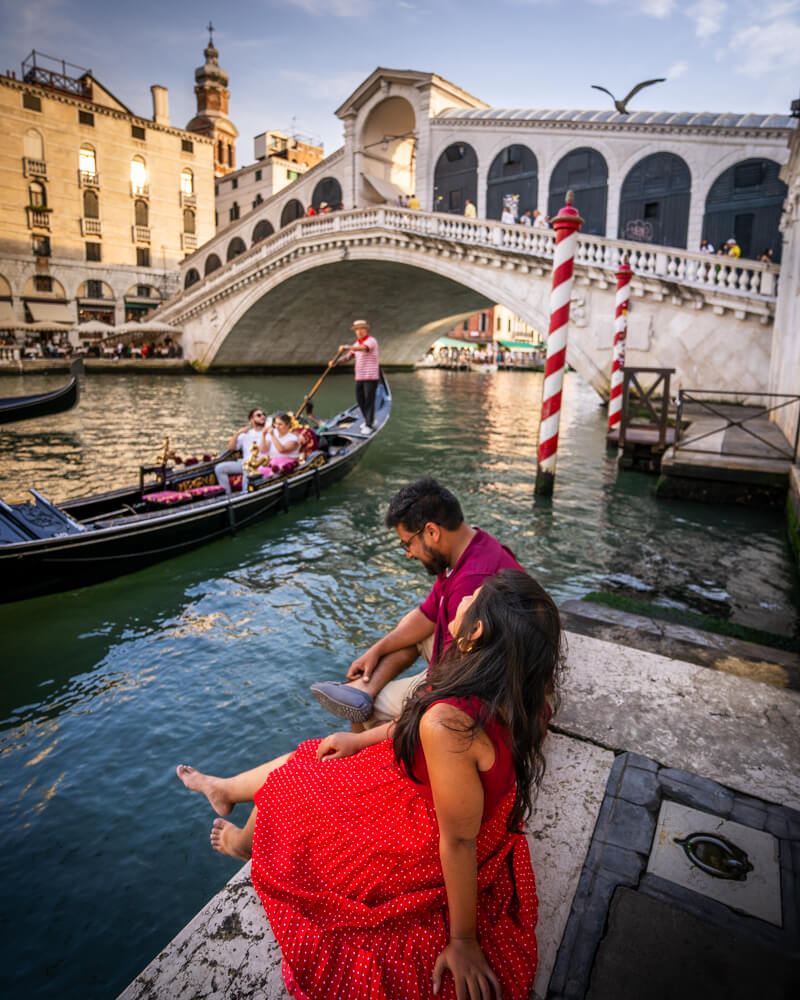
We went with zero expectations and thought that this city was like no other in the world—a floating wonder of canals. With all it’s bridges, gondolas, crumbling buildings, narrow alleyways, and lively piazzas, Venice is worth the visit—even if it’s only to decide whether you hate it or not, because if you give it a chance, you may love it as much as we did.
Spots you can’t miss in Venice:
- St Mark’s Square and Basilica: Please go inside the basilica; it is unlike any other.
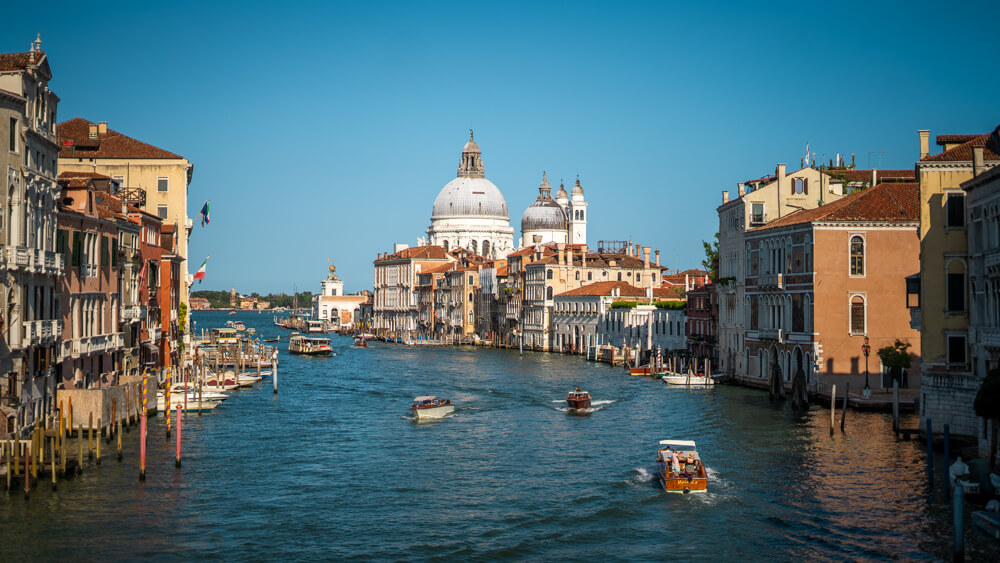
- Ponte dell’Accademia: Stunning views of Venice from this Bridge.
- Half-day trip to Murano and Burano: These are super colourful towns you’ll love
Check out our Venice Itinerary to plan the finer details of your 2 days in Venice!
How to reach Venice
If you’re driving, then you can return your car at the Marco Polo airport in Venice. To get to the city of Venice, you can take a shuttle bus at the airport that’ll drop you off at Piazzale Rome. From there, walk to your accommodation or take a vaporetti or private water taxi.
If you’re taking the train, then book it from Cortina d’Ampezzo to Venice Santa Lucia train station. This station is on the island of Venice so you can easily take a vaporetto to reach a stop close to your hotel and walk the rest of the way or take a water taxi that drops you right at your hotel.
Where to stay in Venice
Stay as close to St Mark’s Square (Piazza San Marco) as possible. Accommodation in Venice is expensive so if you’re unable to find a place close to the square in your budget, that’s alright. Choose a hotel/apartment within a comfortable walking distance. We stayed 1.7 km away, but we did not mind at all, as the walks in Venice are absolutely wonderful. It never felt like a lot!
How much does three weeks in Italy cost?
We are mid-range travellers who try to save where possible and splurge where we like. Keeping that in mind, this was how much we spent in peak summer as a couple.
Hotel: € 1984 (avg. €94 per night)—We mostly stayed in apartments and guest houses. Sometimes in the city centre and sometimes not! In addition to the hotel fare, tourists also have to pay a tourist/city tax for each place they stay, which is included in this price.
Food: €1635 . Usually we ate pasta/pizza and a side and maybe a glass of wine, which cost as Euro 30. Sometimes we have nicer meals for around €50. And obviously throughout the day we tried gelatos, sandwiches, and other treats.
Transport: €1233
Trains: €224
Rental car for 7 days: €453
Fuel + Toll + Parking for Rental Car: €196
Internal city transport in metro, bus, taxi (rarely): €324
Attractions and Tours: €637
Miscellaneous: €44
Total for 3 weeks for a couple: €5,497
Approximate weekly expenditure for a couple: €1832
Daily expense for a couple: €262
This doesn’t include the cost of a visa, a SIM card and international flights.
I’m not going to take out a solo estimate, as hotel rooms and rental cars have been shared by a couple and the costs will look different for you if you do this trip solo.
Tip: If you’d like to reduce your costs, then either visit in the off-season period or cook at least one meal per day in your accommodation. Or do not go to places that require a rental car to see them properly, like Tuscany and the Dolomites; instead, choose cities like Siena (do tours), Verona, Bologna (for the food), Matera (one of the oldest cities in Italy), etc., which are easily accessible by train or bus. You’ll be able to save significantly!
This blog post, ‘3 Week Italy Itinerary’, has affiliate links that enable us to earn a small commission when you make a purchase, with no extra cost to you. We only recommend products and activities we like and those that might interest you. If you like any suggested product, do buy from the given links.
Hi,
Your blog is quite useful, we are a family of 4 (all adults) and want to do 21-22 days Italy trip, however we want to cover Amalfi Coast over and above your itinerary. We wish to stay in Air B&B and mid range hotels but centrally located near to train station. Train is the preferred mode of travel with renting a car wherever needed. Our kids (though adults) dont like much walking and less interested in history. We are nature lovers.
Some suggestions on the above plan would be very helpful along with the budget.
Hey, you could skip Cinque Terre and instead do Amalfi after Naples. OR you could reduce your days in Florence/Rome to accommodate Amalfi since you don’t like history. Either way, you will have to walk quite a bit, as there is no way to avoid it in Europe besides taking expensive taxis.