
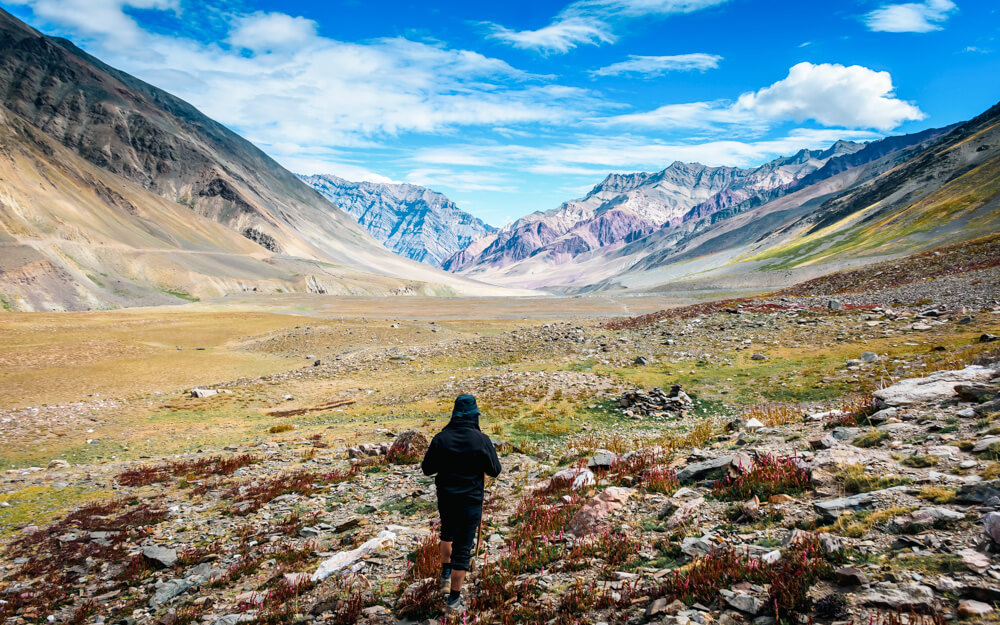
Planning your trip to Spiti Valley is exciting, but packing for the Himalayas is where the real preparation begins. Unlike most hill destinations, Spiti doesn’t give you many chances to buy something you’ve forgotten. Once you leave major Himachali towns like Manali or Reckong Peo, shopping options become limited. Within Spiti, Kaza is the only place to stock up because outside Kaza, basic supplies are scarce.
The weather also changes quickly (even in the summer months). You could be comfortably exploring Kaza in the afternoon sunshine and, just a couple of hours later, find yourself battling icy winds at Kunzum Pass. This Spiti Valley packing list is designed around the actual conditions you’ll encounter, from the high-altitude roads of Kunzum Pass to the quiet villages of Langza and Mudh.
Use this Spiti packing guide as your companion before setting off for your trip between May and October. Whether you’re travelling independently or have booked a Spiti Valley tour package from Chandigarh, Delhi, Mumbai, Chennai, or anywhere else in India, it’ll ensure you have a trip of a lifetime, safely and comfortably.
Disclosure: This post was written and sponsored by WanderOn.
Dress for the Route, Not Just the Forecast
A common mistake in any Spiti Valley packing guide is packing only for ‘cold weather’. In Spiti, temperatures depend as much on altitude and time of day as they do on the season.
For example, if you’re driving from Kaza to Langza, Komic, and Hikkim, you’ll likely step out of the vehicle multiple times to visit monasteries, viewpoints, and the famous post office. You’re going to feel hot because of the sun but at the same time the wind can be biting. Later, after sunset, the temperature drops sharply, even during the hottest months of June and July.
Layering keeps you comfortable no matter the weather, without filling your backpack with bulky clothing.
What to Pack?
- Two to three quick-dry T-shirts
- Trekking pants instead of multiple pairs of jeans
- Lightweight thermal base layer (especially for May, September and October)
- Fleece jacket
- Insulated or down jacket
- Waterproof windcheater
- A beanie or woollen cap
- A pair of gloves (touch-screen gloves will be helpful though not necessary)
If you’re planning to travel in winter months, then you should carry additional heavy winter gear (heavy down jackets, snow boots, multiple thermal layers, waterproof gloves, and winter accessories) due to sub-zero temperatures and snowfall.
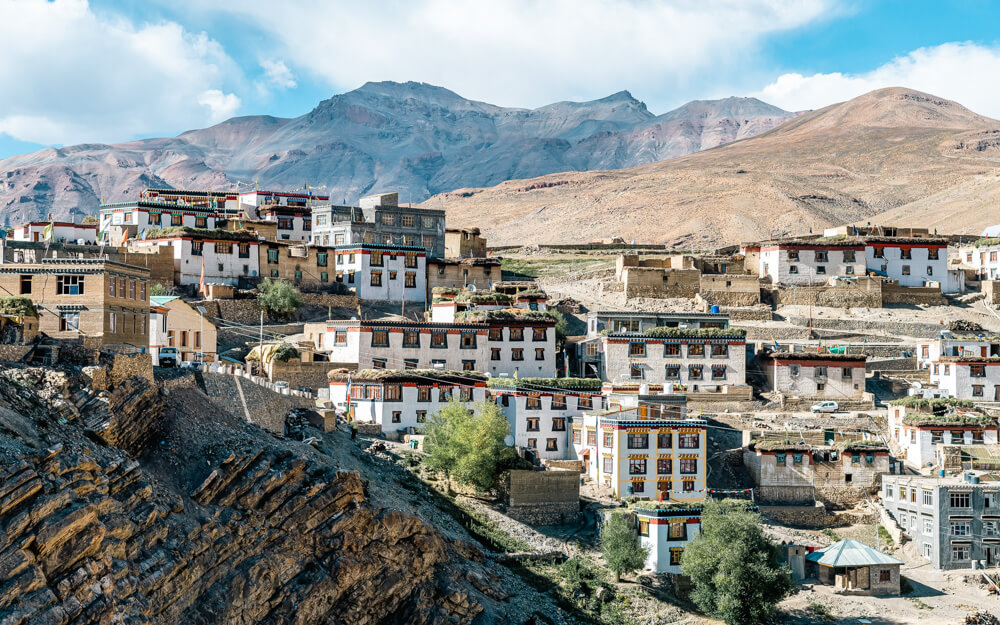
The Right Shoes Go a Long Way
When you’re deciding what to pack for Spiti Valley, good footwear deserves to be near the top of the list.
You don’t need technical mountaineering boots, but you will walk more than you expect. The climb to viewpoints around Key Monastery, the uneven paths leading to Dhankar Monastery, fossil hunting around Langza, and the rocky lakeshore at Chandratal all become easier with shoes that provide grip and ankle support.
Waterproof trekking shoes are ideal, particularly if you’re travelling early in the season when snowmelt creates small water crossings between Gramphu, Batal, and Losar.
What to Pack?
- Waterproof trekking shoes or comfortable sneakers with good grip
- Slippers for homestays and camps
- Four to five pairs of trekking or breathable socks (depending on the shoes you carry)
The Sun Is Stronger Than It Feels
One surprise first-time visitors often mention isn’t the cold, but it’s the sun. At over 4,000 metres, ultraviolet radiation is significantly stronger than it is in the plains. You’ll notice it while photographing the Buddha statue in Langza, walking across Chicham Bridge or spending an afternoon around Chandratal, where natural shade is almost non-existent.
Your essential items for a Spiti trip should therefore include sunscreen, as sunburn can happen even when temperatures are below 15°C.
What to Pack?
- SPF 50+ sunscreen
- UV-protection sunglasses
- Lip balm with SPF
- Moisturiser to combat the dry mountain air
- A cap or wide-brimmed hat
Hydration Matters More Than You Think
The dry climate often tricks travellers into drinking less water than they should. Between Losar, Kaza, and Pin Valley, you’ll lose moisture through breathing without even realising it. Dehydration also makes altitude-related headaches feel worse.
One of the most important things to carry for a Spiti Valley trip is a reusable water bottle, which can be refilled whenever possible. Adding electrolyte sachets during long driving days helps maintain energy, especially if you’re crossing Kunzum Pass or spending several hours exploring Pin Valley.
You should also avoid excessive alcohol on your first day in Spiti, particularly if you’ve driven directly from Manali to Kaza.
Medicines Aren’t Easy to Find Everywhere
Medicines are the most overlooked essential items for a Spiti trip, yet they’re often the ones people end up needing. Kaza has pharmacies, but once you’re exploring smaller villages like Mudh, Demul, or Langza, replacing forgotten medicines becomes difficult.
If your doctor has recommended medicine for altitude sickness, keep it easily accessible rather than packing it deep inside your luggage. You should also pack enough prescription medication for the entire journey, along with a small first-aid kit.
What to Pack?
- Pain reliever
- Fever medicine
- Anti-allergy tablets
- ORS sachets
- Motion sickness medication
- Bandages
- Antiseptic cream
- Electrolyte packets
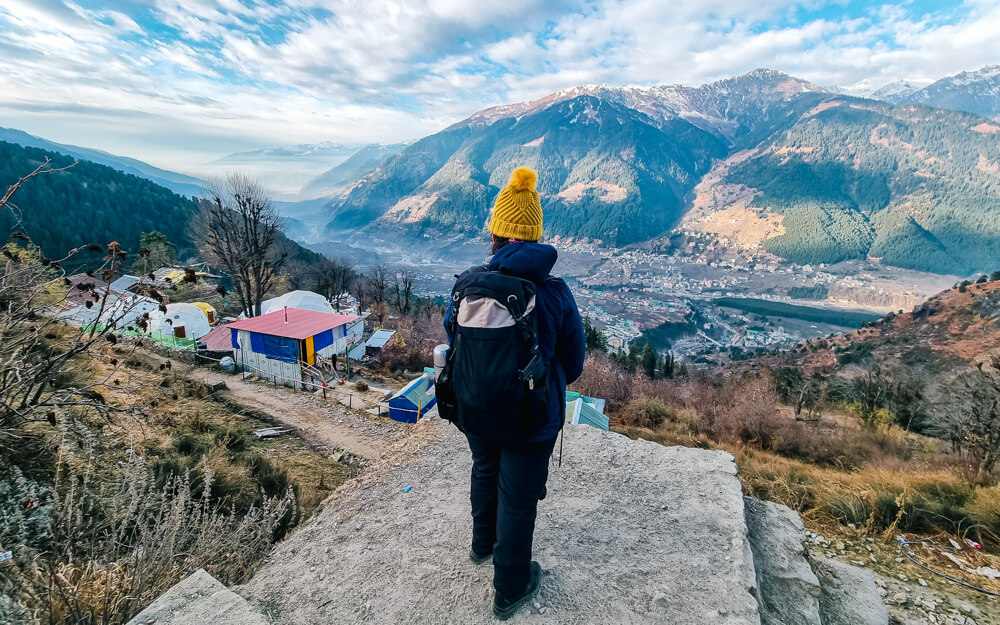
Cash Still Works Better Than Cards
Digital payments have improved in Kaza, but don’t expect seamless connectivity throughout the valley. Homestays in villages like Langza, Hikkim, or Mudh may prefer cash, and network issues occasionally interrupt UPI payments.
Withdraw sufficient cash before entering the valley from Shimla, Reckong Peo, or Manali. If you’re already in Spiti, Kaza is your best opportunity to top up.
Carry smaller denominations for cafés, village shops, and local taxis.
Keep Your Electronics Alive
Cold weather drains batteries much faster than usual. If you’re planning sunrise photography at Key Monastery or staying overnight near Chandratal for astrophotography, you’ll quickly notice your phone and camera losing charge. Therefore, carrying a 20,000 mAh power bank is far more valuable than carrying extra charging cables.
What to Pack?
- 20,000 mAh Power Bank
- Car charger
- Phone charging cable
- Power bank charging cable
- Spare camera batteries
- Extra memory cards
- Headlamp or compact torch
Don’t Depend on Finding Food Along the Way
One of the longest travel days in Spiti is the Manali–Kaza route via Atal Tunnel, Gramphu, Batal and Kunzum Pass. Apart from a handful of seasonal dhabas, food options are limited.
Similarly, day trips to Pin Valley or Chandratal involve long hours on the road. If you have some light snacks as a part of your Spiti Valley packing list, then you can enjoy long drives comfortably, as they do not take much space.
What to Pack?
- Mixed nuts
- Energy bars
- Dark chocolate
- Roasted makhana
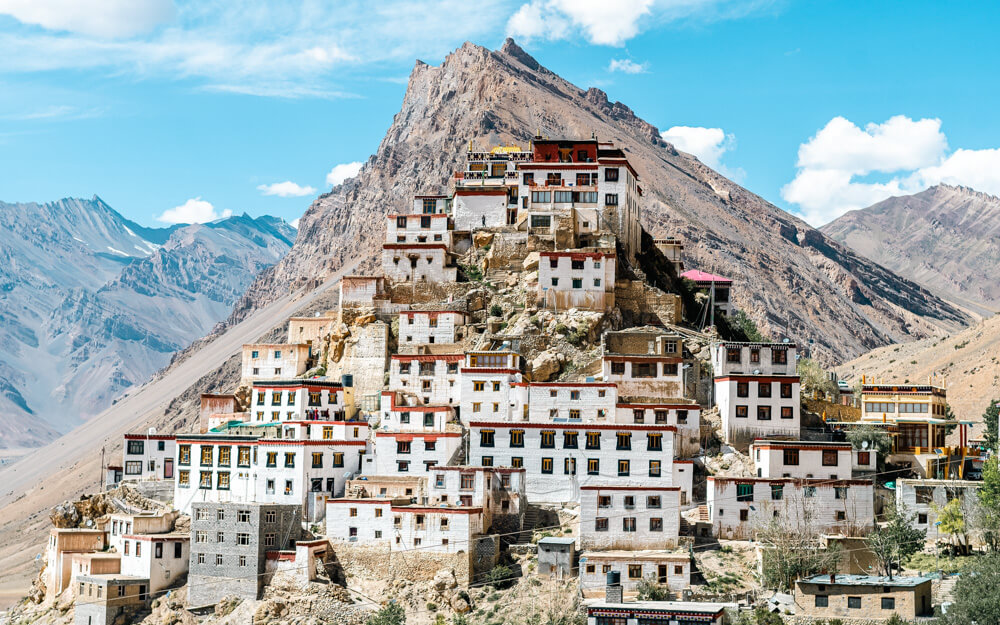
Dust Is Part of the Journey
Spiti is a cold desert, and dust is as much a part of the landscape as mountains. Road sections between Gramphu and Losar, especially during maintenance work, can become extremely dusty. Even when travelling inside a vehicle, fine dust finds its way into bags and cameras. A neck gaiter serves multiple purposes as it keeps dust away while driving, adds warmth during windy evenings, and offers light sun protection during short walks.
What to Pack?
- Neck gaiter or buff
- Backpack rain cover
- Microfiber cloth for camera lenses
- Zip-lock bags for electronics
Your Documents Deserve Their Own Pouch
Network connectivity isn’t reliable outside Kaza, so don’t rely entirely on cloud storage. You should keep everything together inside a waterproof document pouch along with a Spiti packing list so you’re not searching through multiple bags at checkpoints or hotel check-ins.
Carry printed copies or offline versions of:
- Government-issued ID
- Hotel confirmations
- Driving licence
- Vehicle papers (if self-driving)
- Emergency contacts
- Travel insurance
Your Luggage Should Work for You
A rucksack is generally much better for a Spiti trip. It is easier to carry at homestays and camps and on uneven mountain roads where you may have to move your luggage yourself.
However, if you’re coming by private car or tempo traveller, you can choose to carry a suitcase as well.
One Last Look Before You Leave
Before you zip up your backpack and head towards the mountains, take a minute to run through this Spiti Valley travel checklist. It’s much easier to double-check at home than to realise halfway to Kunzum Pass that you’ve left something important behind.
- Layered clothing for changing temperatures
- Waterproof trekking shoes with good grip
- Sunscreen, sunglasses and SPF lip balm
- Personal medicines and a basic first-aid kit
- Fully charged power bank and charging cables
- Cash in smaller denominations
- Reusable water bottle and electrolyte sachets
- Energy bars or dry snacks for long drives
- Offline maps downloaded on your phone
- Printed copies of IDs, bookings and vehicle documents
Final Thoughts
The best packing strategy for Spiti isn’t about preparing for extreme adventure; it’s about preparing for limited conveniences. Carrying the right layers means you’re comfortable whether you’re watching prayer flags flutter at Key Monastery or waiting for sunset at Chandratal. Even if you’re booking Spiti Valley group tour packages, having your own essentials makes the journey far more comfortable.