
Before finalising my Laos itinerary, I spent more time agonising over Pakse than any other destination. To be honest, I wanted to go there for one reason and one reason only: the Tad Fane zipline. It was that one bucket-list activity I just couldn’t bear to skip. But despite my excitement, a part of me kept wondering… is Pakse worth visiting?
For those who haven’t deep-dived into planning their Laos trip yet, Pakse is a riverside city that sits right where the Mekong and Xe Don rivers meet. Pakse isn’t an aesthetic city and no people don’t usually come here for the city life. They come for the Bolaven Plateau—a lush, high-altitude region famous for its misty coffee plantations and some of the most dramatic waterfalls in Southeast Asia.
The Pakse Dilemma: Why We Almost Skipped it
Before the Pakse trip, these questions plagued my brain!
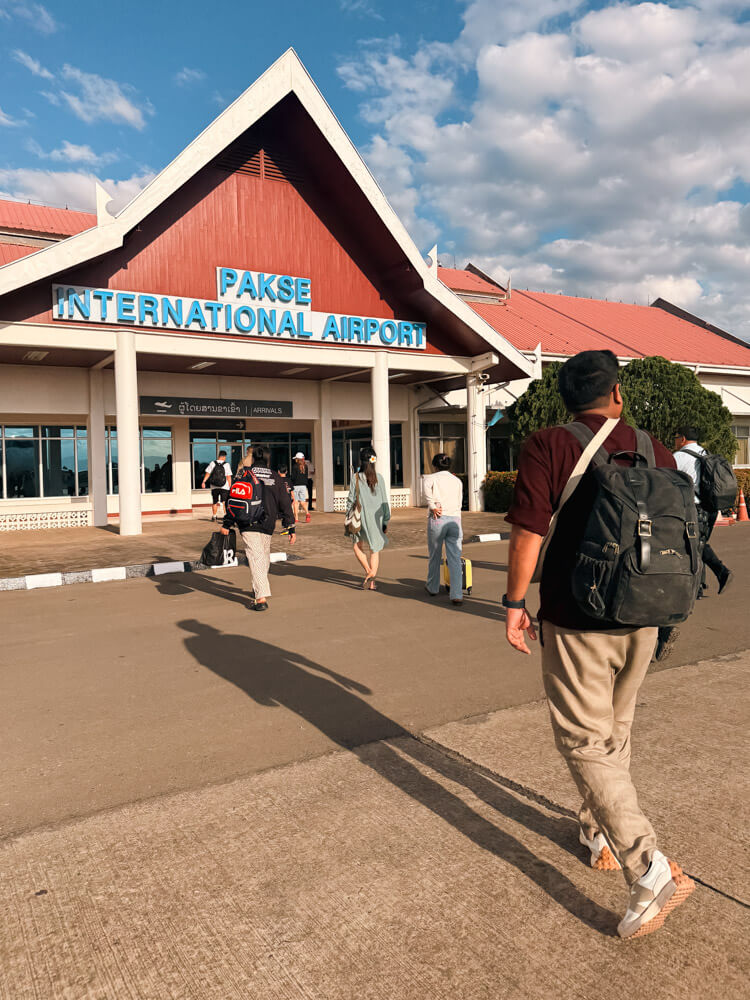
1. How to get there? While the northern stars like Vientiane, Vang Vieng, and Luang Prabang are now seamlessly connected by a shiny high-speed train, Pakse remains tucked away in the deep south. Flying is the fastest route, but domestic prices were surprisingly steep. The alternative? A grueling overnight bus. And while I’m all for a backpacker adventure, my mid-range traveler heart (and my bladder!) has its limits. If a bus doesn’t have a toilet, it’s a hard pass for me! So yep, we did fly!
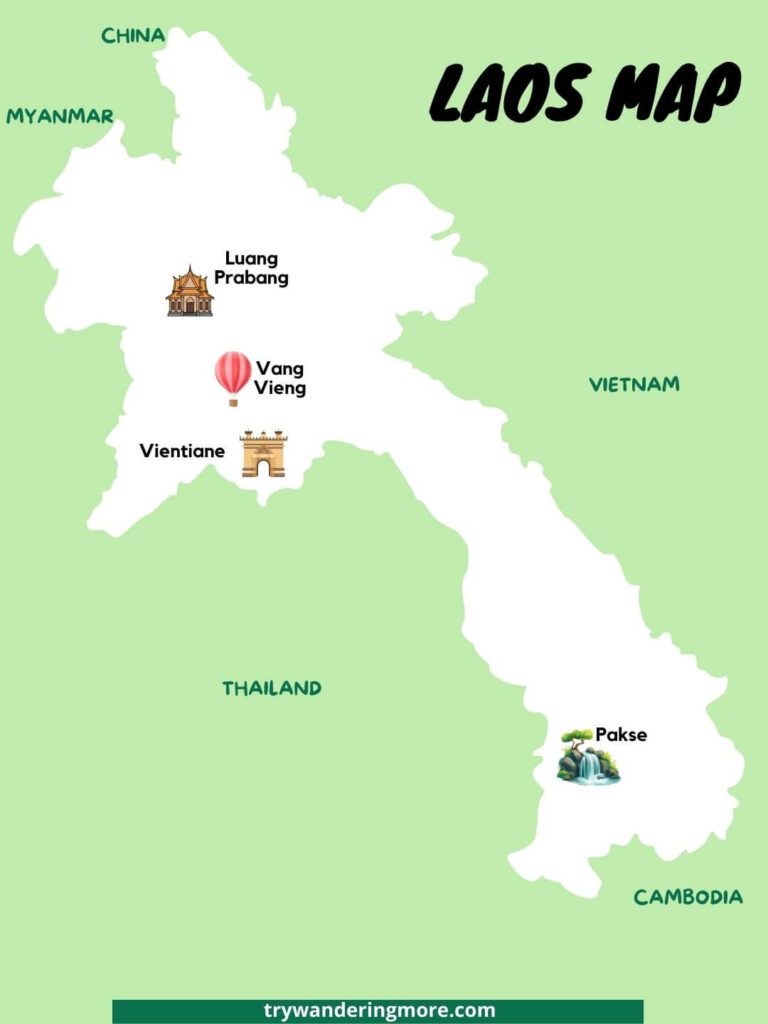
2. How to exit Laos? Pakse was our final stop, and flying into Thailand was really expensive for such a short jump (USD 150 pp). A land border crossing seemed like the logical choice, but as an Indian passport holder, I found a complete “black hole” of information online. Could we even cross the border by land? Would we be turned back? Even though our road transport to Thailand’s Ubon Ratchathani was booked, I was worried about about the border crossing till we made it into Thailand.
3. Will Pakse even be worth it? Are we really traveling to the opposite end of the country for one zipline? We’d seen so many temples and waterfalls already. So would Wat Phou (the ancient Khmer temple here) really feel different from what we’d seen in Cambodia? Would we be templed-out by the time we reached Pakse? Would the waterfalls actually be that impressive? I was genuinely worried that after the long journey, the flights, and the logistical headache, we’d get there and think this was a mistake.
So, we went in with a heart full of waterfall dreams and a head full of “what-ifs.” If you’re currently staring at your map wondering if the south is worth the extra miles and the expensive flights, here is my honest take.
7 Reasons to Visit Pakse
1. The “Real” Laos
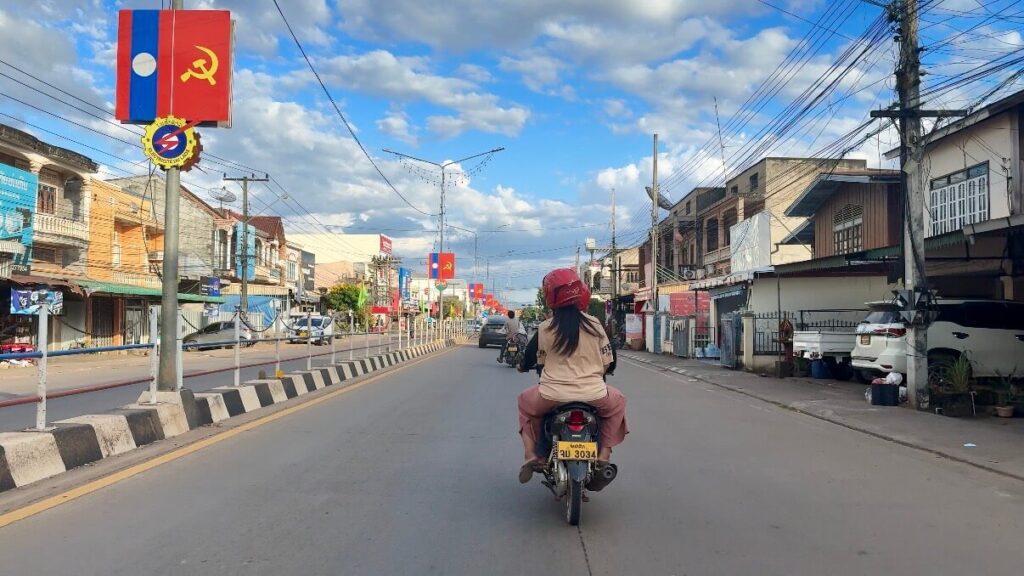
If the North is a curated tourist dream, the South is raw, unfiltered reality. In Pakse, the city doesn’t really care if you’re there or not. It’s a trading hub first and a tourist spot second which means the energy feels much more local and authentic. While the North has been transformed by the new high-speed railway, the South remains a place of slow travel and genuine encounters. It’s a breath of fresh air for experienced travelers who want to see the soul of a country before it changes.
2. The Majestic Waterfalls
In Lao, ‘Tad’ means waterfall, and Pakse is surrounded by the best of them. Southeast Asia is full of waterfalls, but the Bolaven Plateau is a concentrated “waterfall highway.” While Erawan in Thailand is about turquoise pools and Kuang Si is about the “aesthetic” tiers, the falls here are more raw and powerful. We visited three, and each was incredible in its own way:
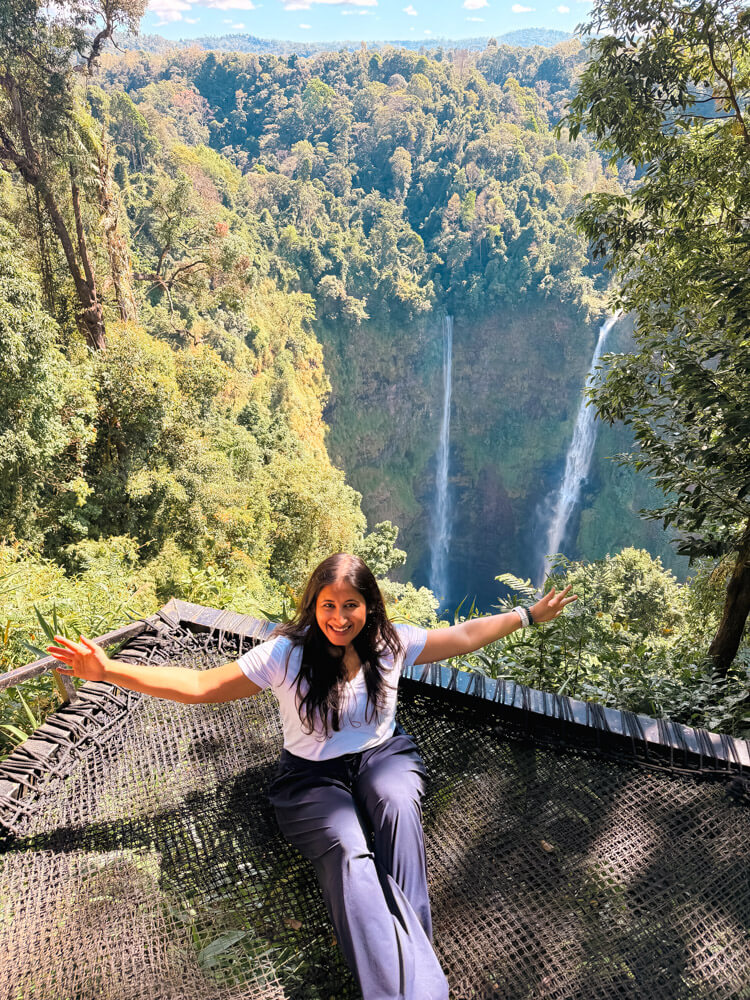
- Tad Fane: This is the highest waterfall in Laos, a twin stream plunging 120 meters (394 feet) into a lush gorge. That’s nearly double the height of many famous falls in the region. It’s less of a “place to swim” and more of a “reminder of how small we are. It is genuinely jaw-dropping.
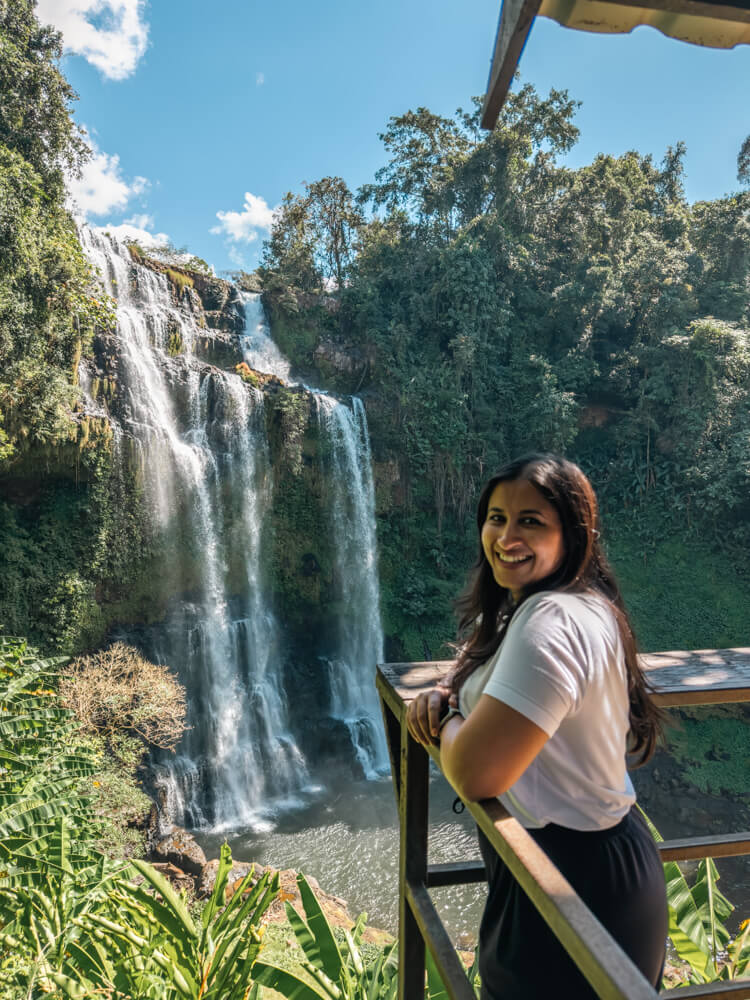
- Tad Gneung (Tad Yuang): Don’t let the photos fool you; this fall is incredibly powerful. It stands about 42 meters high, but it’s the massive width and the mist-covered walking trails that make it feel like a scene from a fairytale.
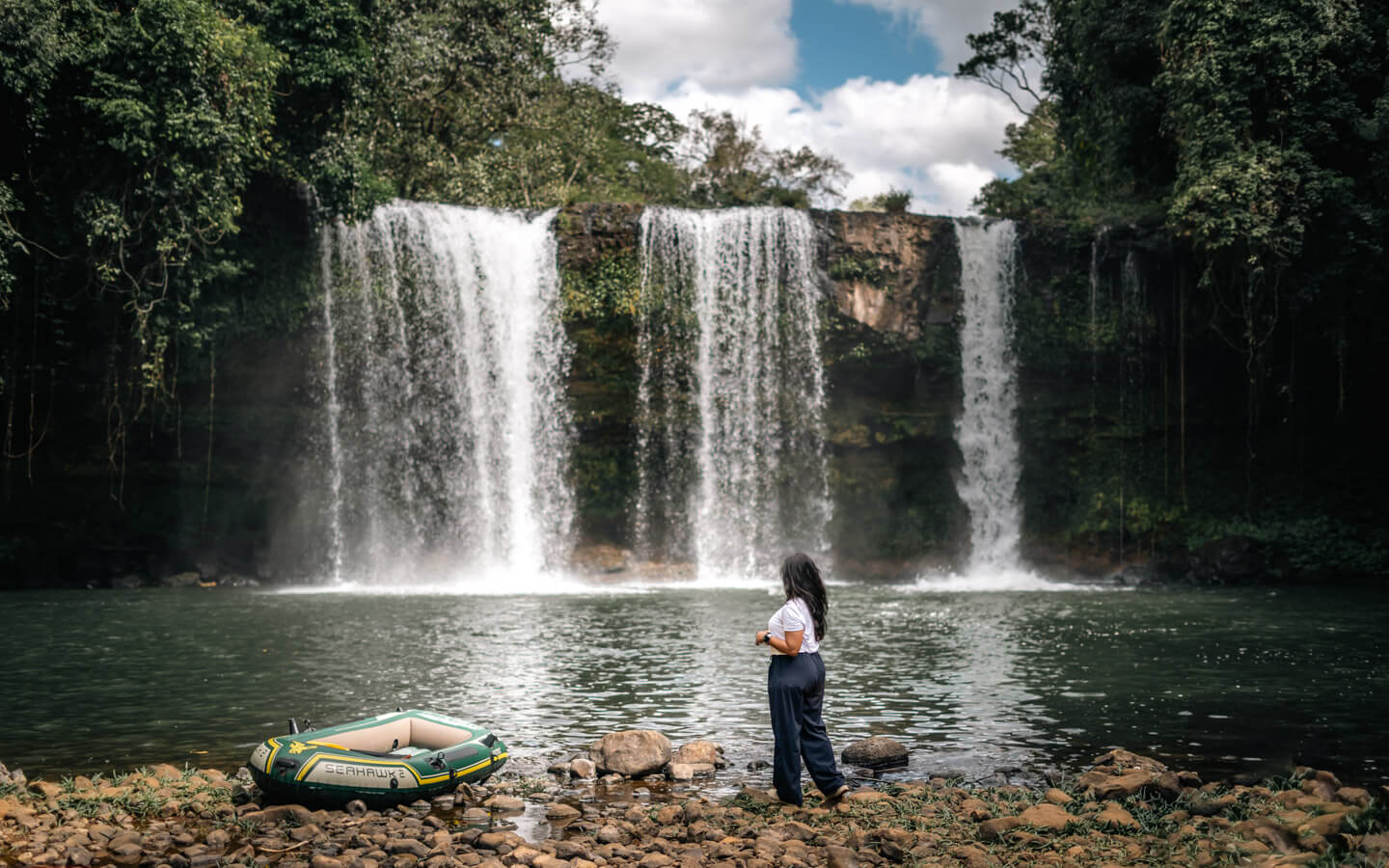
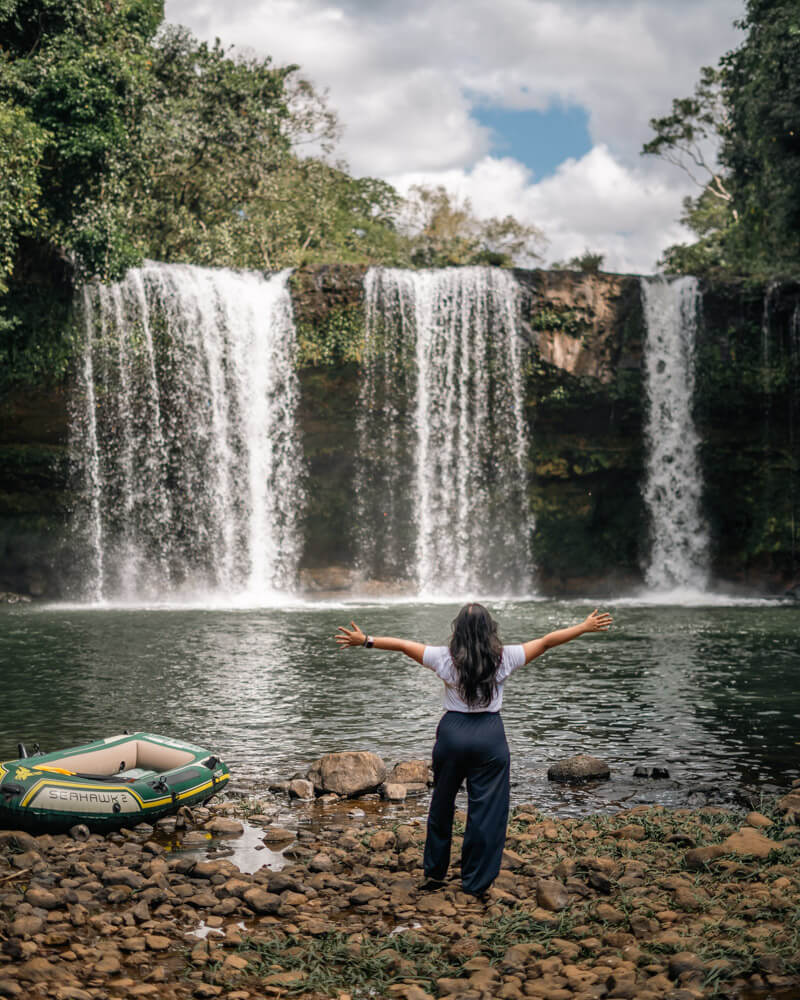
- Tad Champee: This was my favorite for “peace.” It’s much more secluded and features a triple cascade. You can take a raft right up to the base of the falls or go for a dip in the clear, cool pool.
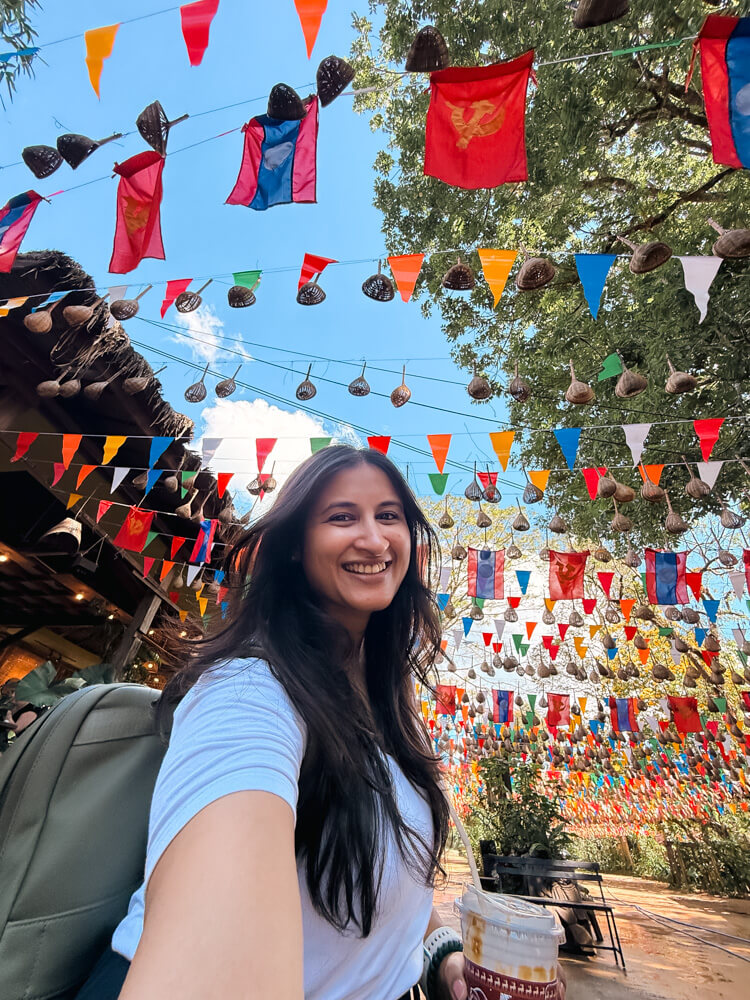
3. The Ultimate Bucket List: The Tad Fane Zipline
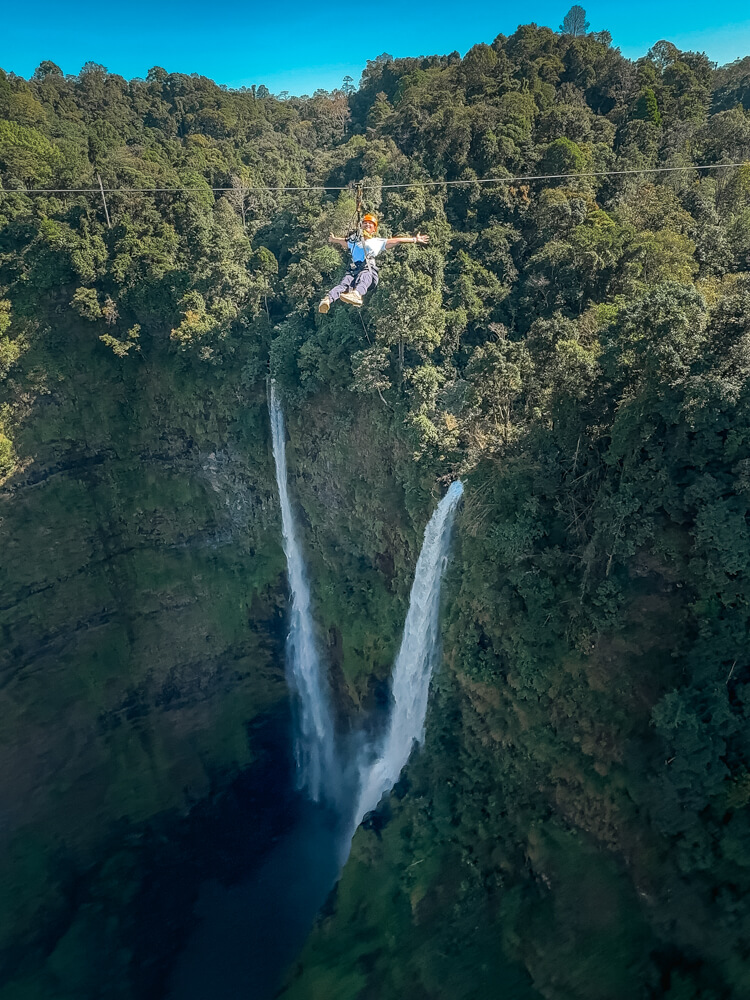
You can zipline in many countries, but soaring 300 metres in the air directly across a 120-meter twin waterfall is almost unheard of. This was my “one reason” for coming, and it exceeded every expectation. This isn’t just one zipline though, but a series of four lines (the longest is 470 meters), including a short tightrope walk. It’s high-adrenaline, slightly terrifying, and 100% the highlight of the trip.
Here you can also hammock on the line, sip coffee on the line or sleep on the line. Yep, crazy!
4. The World-Class Coffee Culture
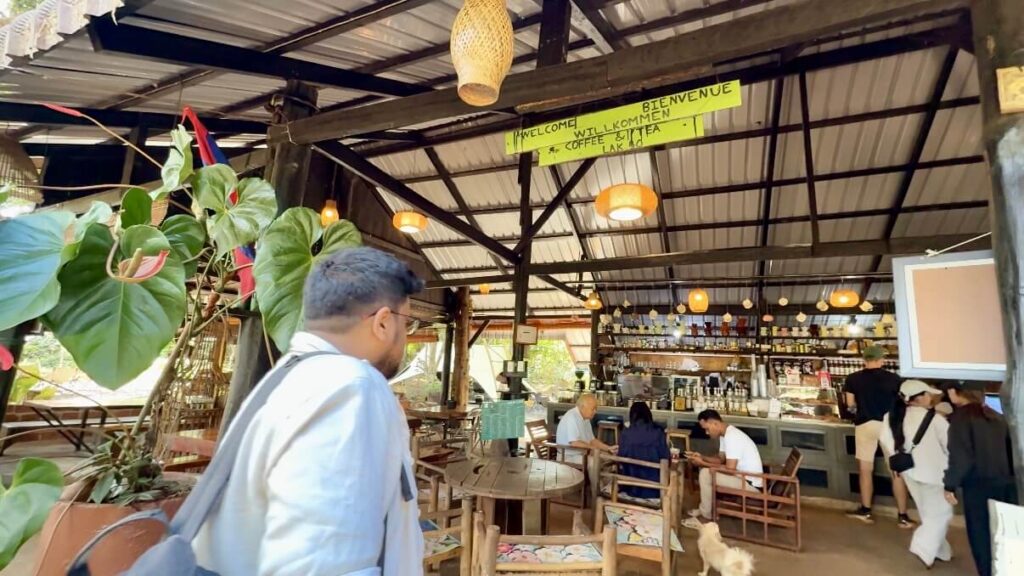
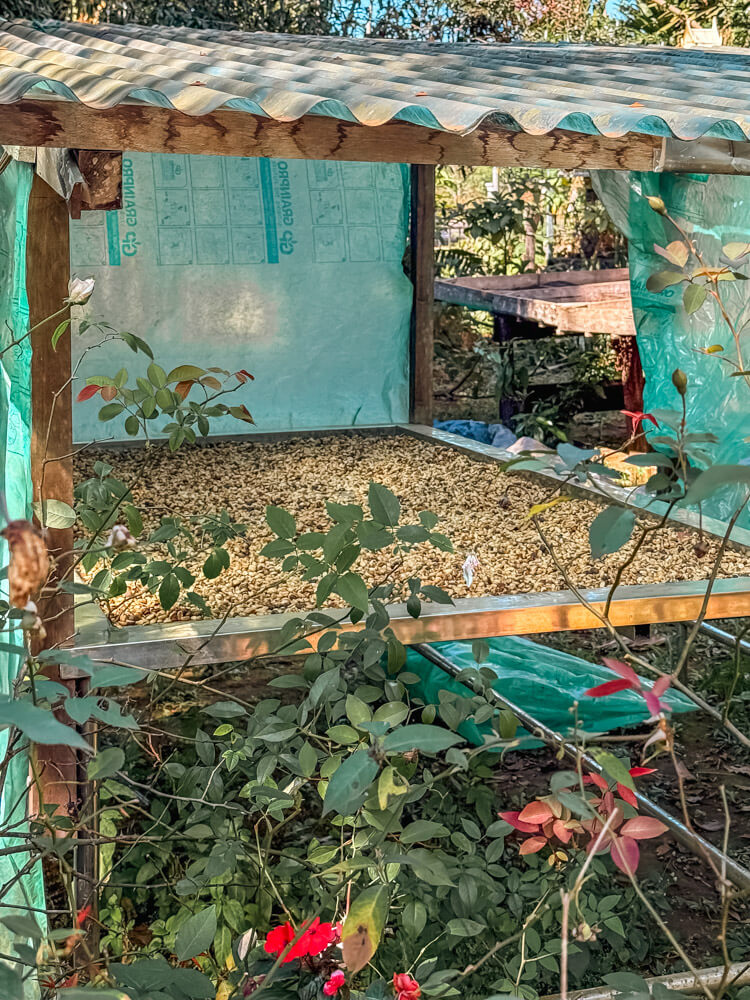
The Bolaven Plateau is the heart of Lao coffee, thanks to its volcanic soil and high altitude (about 1,000 meters above sea level). Visiting Lak 40 (the Bolaven Coffee Cooperative) was such a vibe. You can see the entire “seed to cup” process, including the massive century-old coffee trees planted during the French colonial era. Tasting local Robusta and Arabica beans right where they’re grown is an experience you can’t replicate in a city cafe. Plus, the coffee is actually really frikkin’ good!
5. Wat Phou: The Charming Ancient Soul
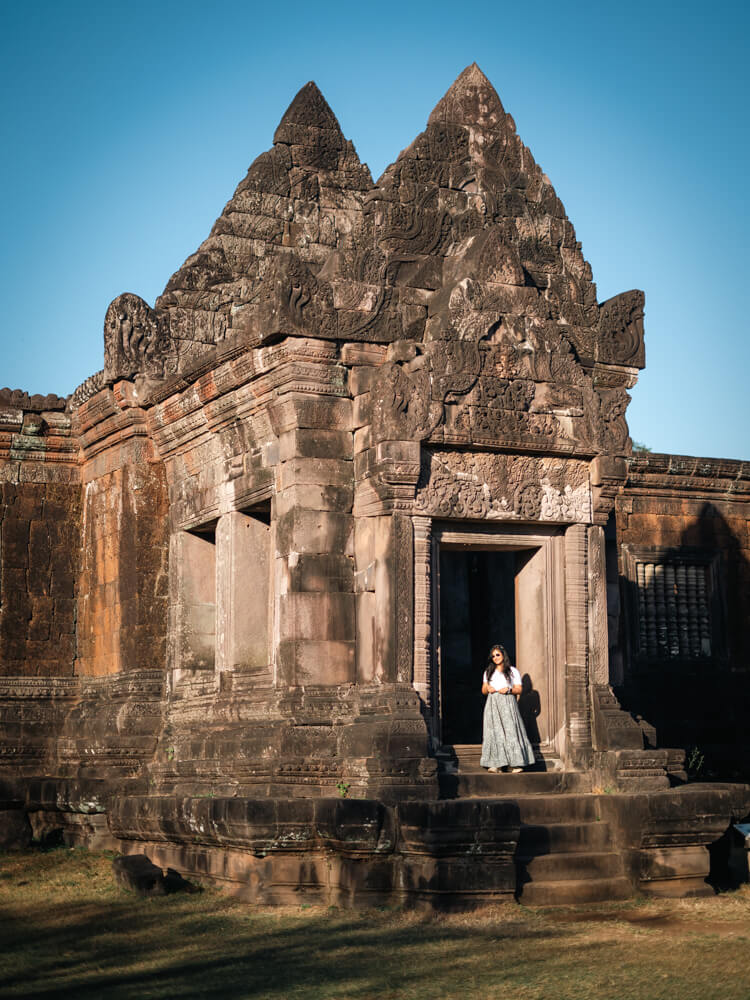
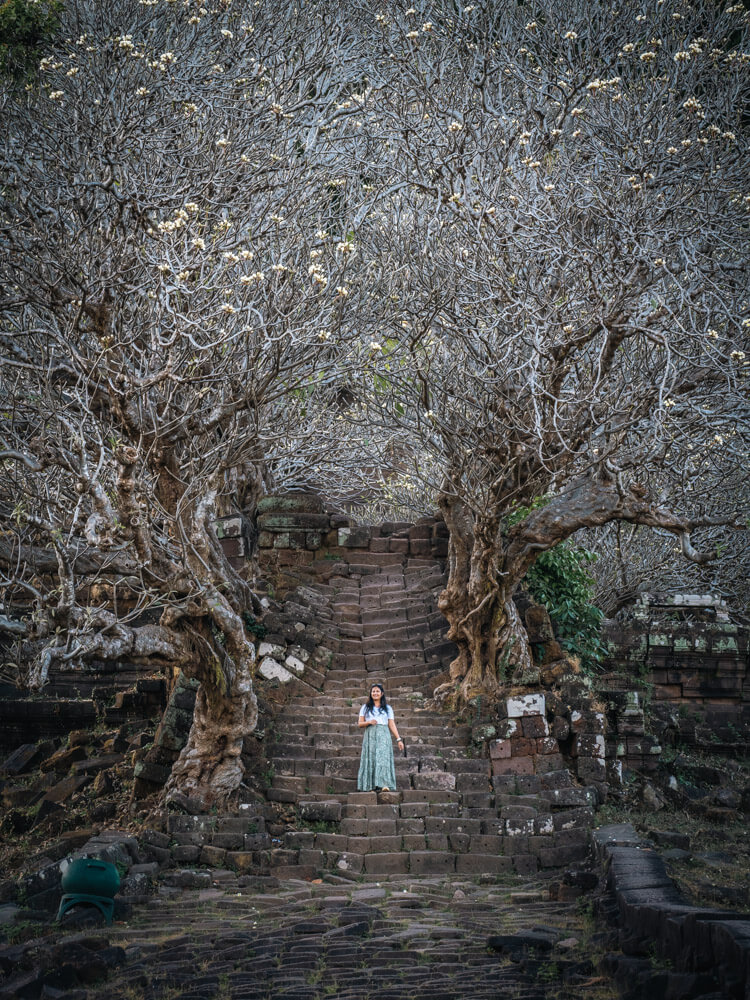
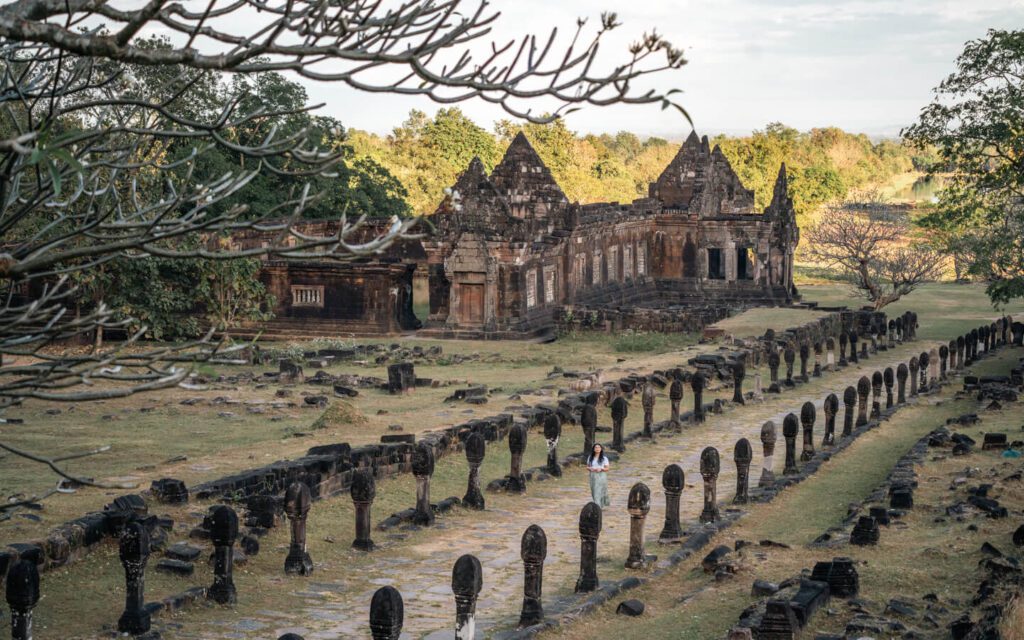
The rest of Laos has shiny buddhist temples, this UNESCO World Heritage site is different. It’s a Hindu temple complex built during the Khmer dynasty. Yes, the same one that built Cambodia’s Angkor Wat. However, Wat Phou is actually much older than Angkor.
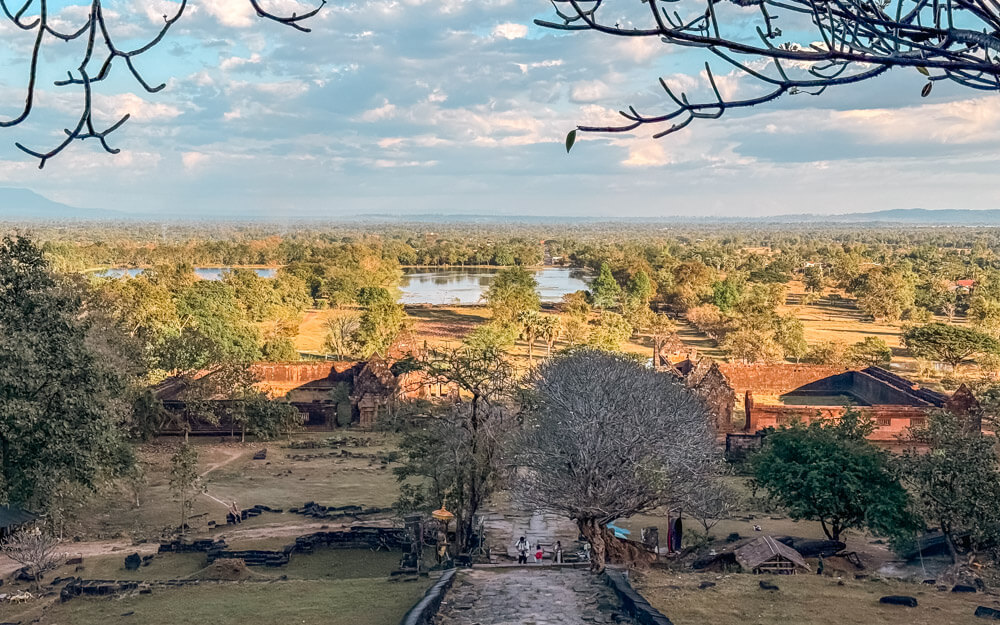
Infact, Parts of this Hindu temple complex date back to the 5th century and it is often called one of the oldest temples in Southeast Asia. Because it’s built into the side of a mountain (Lingaparvata), the views over the Mekong valley are stunning. It is much quieter and more intimate than Angkor, allowing you to feel the history without the massive tour groups.
6. The Freedom of the Bolaven Loop
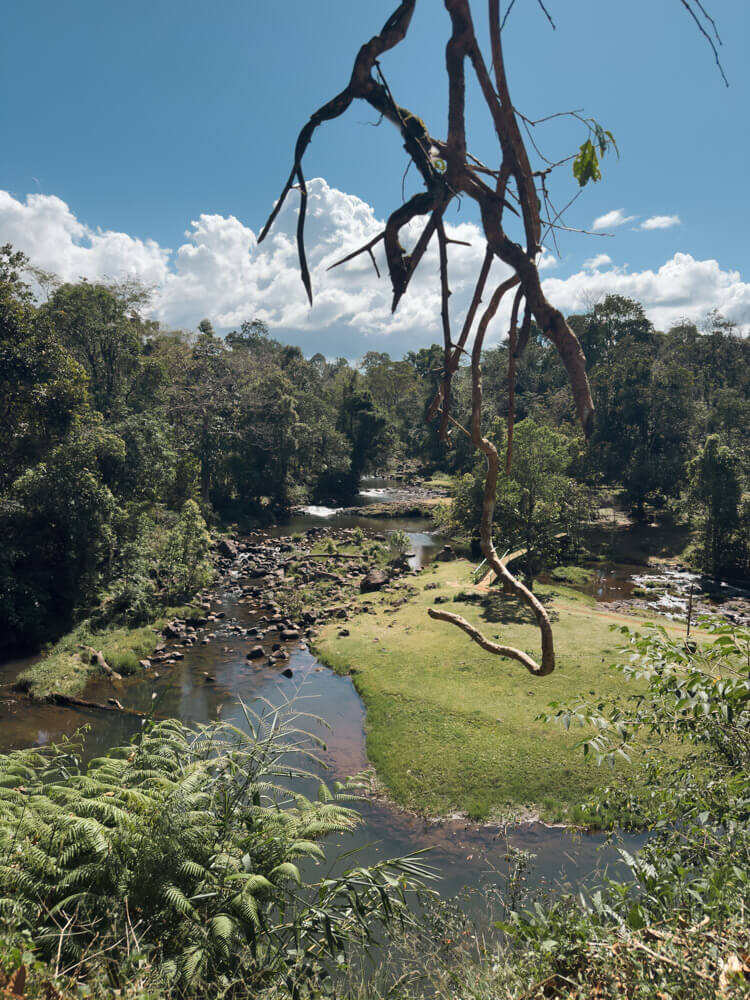
The Bolaven Loop is a popular 2-5 day motorcycle journey in southern Laos (can also be done with a car), starting in Pakse and going through the Bolaven Plateau. It is renowned for its scenic, high-altitude coffee plantations, cool climate, rural landscape and numerous waterfalls (all the ones mentioned earlier in this post and more.
Doing the “Loop” isn’t just about getting from point A to B; it’s about the feeling of the wind changing from tropical heat to a cool, highland breeze. Imagine riding through endless rows of emerald-green coffee bushes, small ethnic villages where kids wave from stilt houses, a laid-back village where elephants still sometimes bathe in the river at sunset . It feels like a “vacation from your vacation”—the traffic disappears, and it’s just you and the open road.
7. The Island Vibes of Si Phan Don (4,000 Islands)
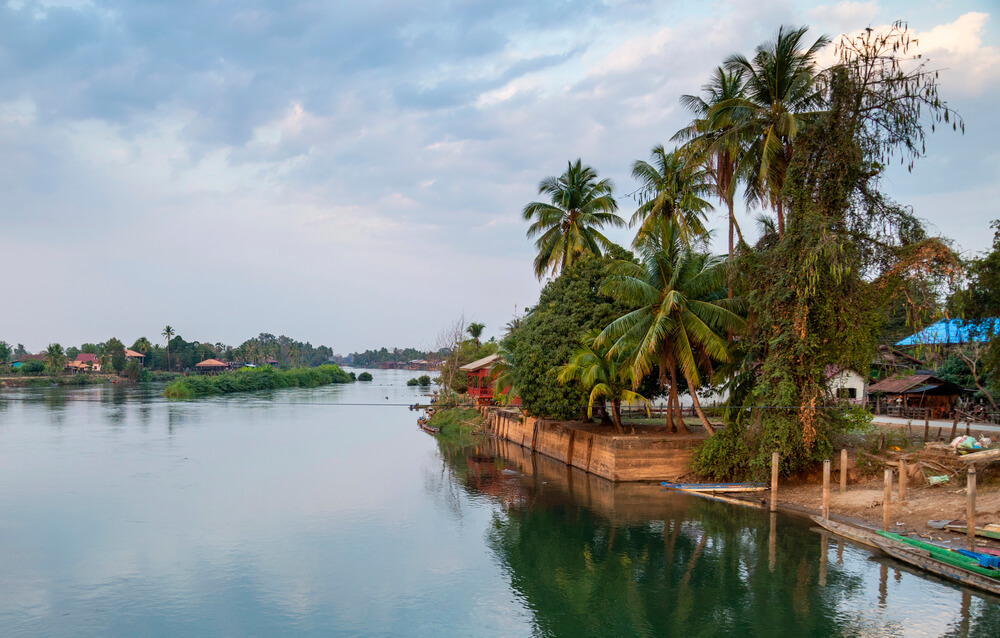
In Lao, Si Phan Don literally means “4,000 Islands,” and during the dry season, the Mekong recedes to reveal thousands of tiny islets and sandbars. This is the ultimate “slow living” destination and the closest you’ll come to a beach vacation in this landlocked country.
You’ll spend your days in a hammock on a wooden balcony, watching the massive Mekong drift by at a snail’s pace. There are no cars on the main islands of Don Det and Don Khone—just bicycles and the occasional motorbike. It feels like stepping back 50 years into a world governed by the river’s rhythm.
Here, you can ride across the Old French Railway Bridge that connects the two islands, see Khone Phapheng Falls (the Niagara of the East) and take a small boat at sunset to try and spot the rare Irrawaddy dolphins.
We had a fabulous time in Pakse even though we spent weeks worrying about it. It’s proof that sometimes the hardest places to reach are the ones that stay with you the longest.
3 Reasons Why You Might Want to Skip Pakse
While we ended up loving it, Pakse isn’t for everyone. Depending on your travel style and your schedule, it might actually be better to leave it off your itinerary in the following cases:
1. It Can Break Your “Cheap Laos” Budget
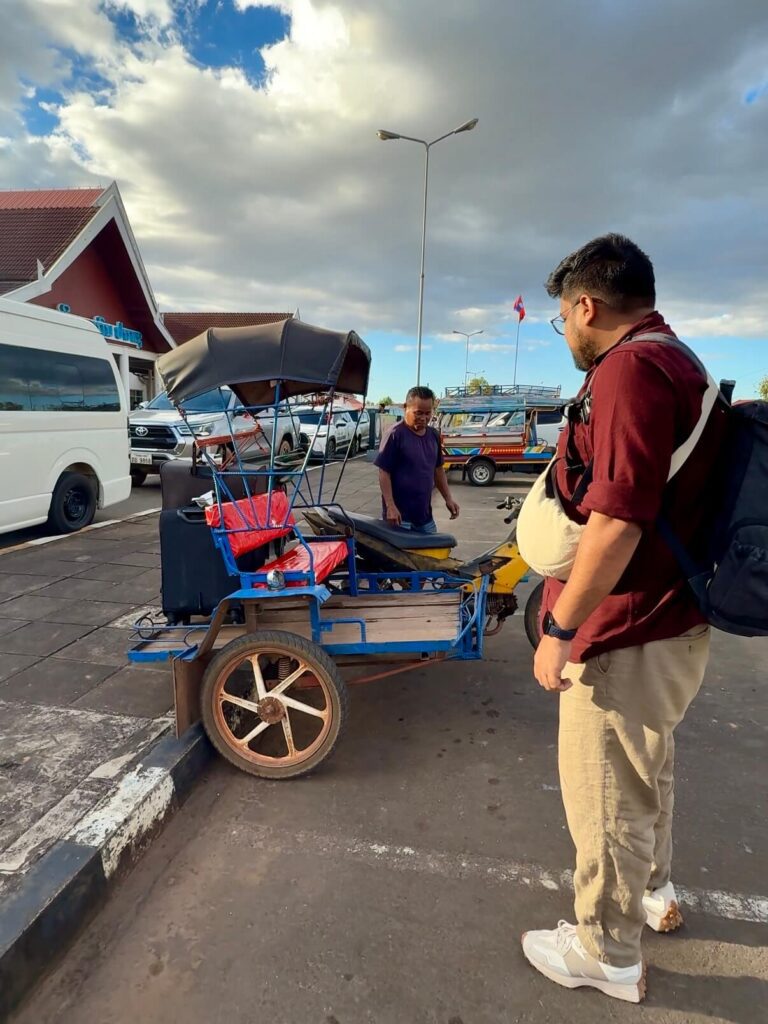
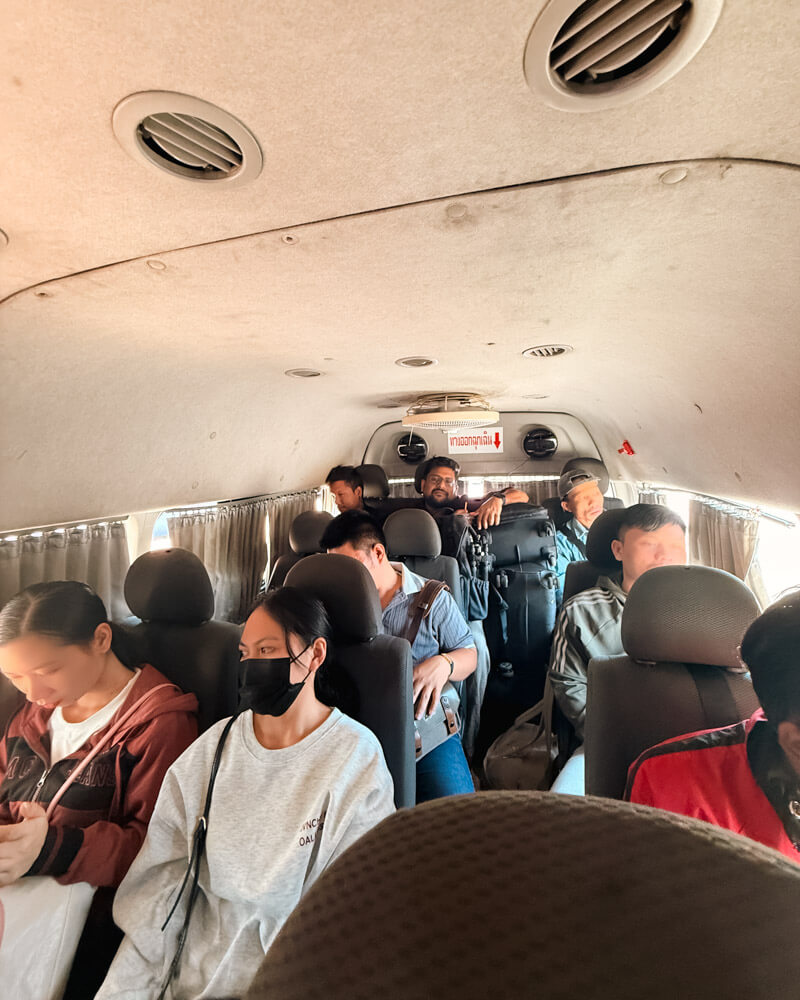
Laos is generally known as an incredibly affordable destination, but a trip to Pakse can quickly change that. If you want to do it comfortably, the costs add up fast. Between the domestic flights costing $90 one way (check airfare for your dates here), the Tad Fane Zipline costing $48, and the cost of hiring a private car or van ($70-100) to tour the Bolaven Plateau, you could easily spend a lot more compared to what you’d spend if you just slow travelled the North. It isn’t typically expensive, but a lot more compared to your usually Lao budget.
The Silver Lining: Most of this cost can be saved if you’re willing to be a bit uncomfortable. You can opt for the long overnight bus from Vang Vieng or from Vientiane and rent a scooter for $5-10 a day to explore the loop. But if you’re a mid-range traveler who prefers flights and 4-wheelers, be prepared to see your daily budget spike.
2. You’re Short on Time
If you have less than a week in Laos or if you want to travel slow in a short duration then trying to include the South is a mistake. Because Pakse isn’t connected to the high-speed rail, you’ll spend a huge chunk of your limited time just in transit. In this case, it’s much better to stick to the North (Vientiane, Luang Prabang and Vang Vieng).
3. You’re Looking for a “Fancy” Aesthetic Vacation
Pakse is a raw, working city. It doesn’t have the “Instagrammable” boutique cafes at every corner or the polished, tourist-centric streets of Luang Prabang. If you are looking for a high-end, “vibey” vacation where everything is curated for travelers, the South might feel a bit too unrefined, quiet, and underdeveloped. It’s a place for people who enjoy the grit and reality of local life!
So is Pakse worth visiting?
After all the worrying, the expensive flights, and the mystery of the land border crossing, was it worth it? For us, it was a resounding yes. We had a fabulous time, and the adrenaline of that zipline made every penny spent feel justified.
But if you’re on a tight 5-day budget or you’re not ready to trade comfort for raw adventure, there’s no shame in skipping it. The North is beautiful, but the South is where you find the soul.