

Planning a road trip and wondering what driving in Morocco as a tourist is actually like?
Renting a car is honestly the best way to explore Morocco. It gives you complete freedom – you can stop wherever you want, take detours, and actually enjoy the insane landscapes, whether it’s the Atlas Mountains, dramatic gorges, or the Sahara Desert. Public transport just doesn’t give you that experience.
But while a Morocco road trip is incredible, it also comes with a few surprises and is really not as straightforward as it might seem. We had some smooth stretches but also a bunch of confusing, frustrating, and slightly bizarre moments.
Here’s everything you need to know – from our experience to common scams and practical tips.
Is It Safe to Drive in Morocco?
Yes, driving in Morocco is generally safe, especially on highways and main routes.
However, it can feel chaotic at first due to sudden speed changes, frequent police checks and unstructured traffic in cities. That being said, we never felt unsafe during our road trip, but we did have to stay alert.
As a precaution, it is best not to drive between cities after dark.
Our Morocco Route
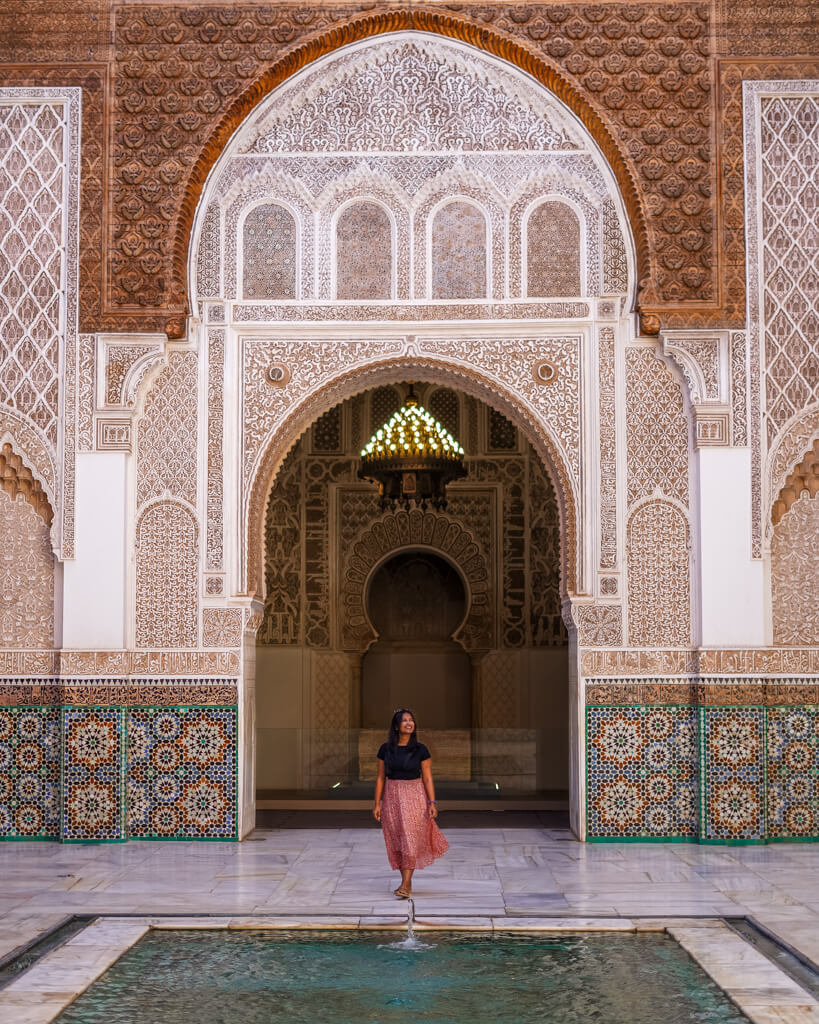

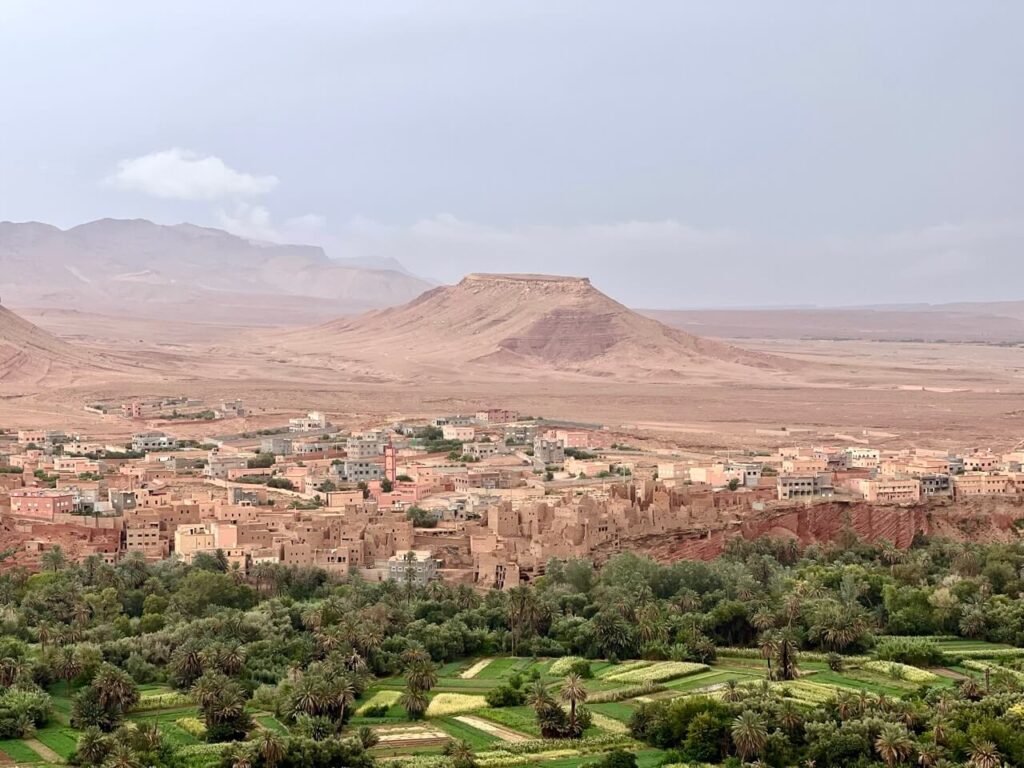
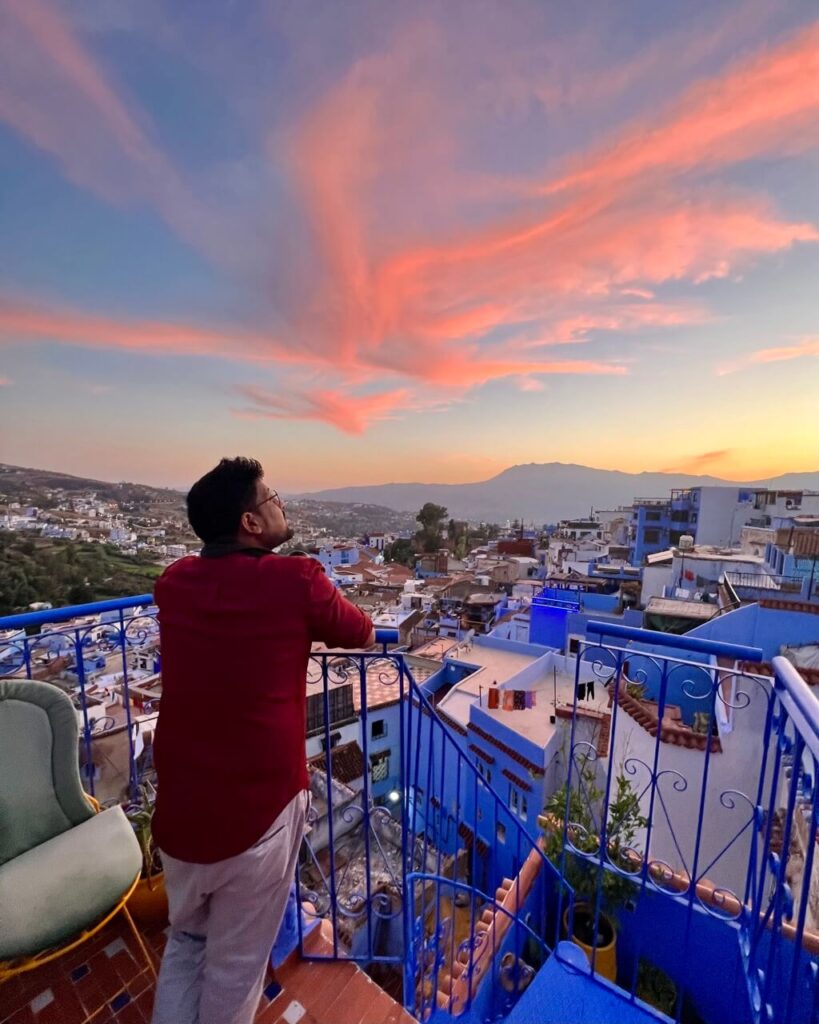
We drove from Tangier to Marrakesh visiting Chefchaouen, Fes, Merzouga (Sahara), and Ouarzazate on the way.
You can check out our detailed Morocco itinerary, which has multiple start and end points (Tangier/Casablanca/Marrakech) so you can do your trip the way you like.
Driving in Morocco as a Tourist: What You Should Know First

Before you hit the road, here are a few basics you should know:
- You don’t need an international driving permit if your license is in English, the Latin alphabet or the Arabic alphabet. Otherwise, you will need to provide an International Driver Permit (IDP), which you can easily get here in 8 minutes. This is the one we always carry with us.
- Driving is on the right-hand side
- A small hatchback is enough for most routes. You can easily rent a car through DiscoverCars.com. We always use this website to find rental cars all over the world. For all our rental car tips, read our post on renting a car in Morocco.
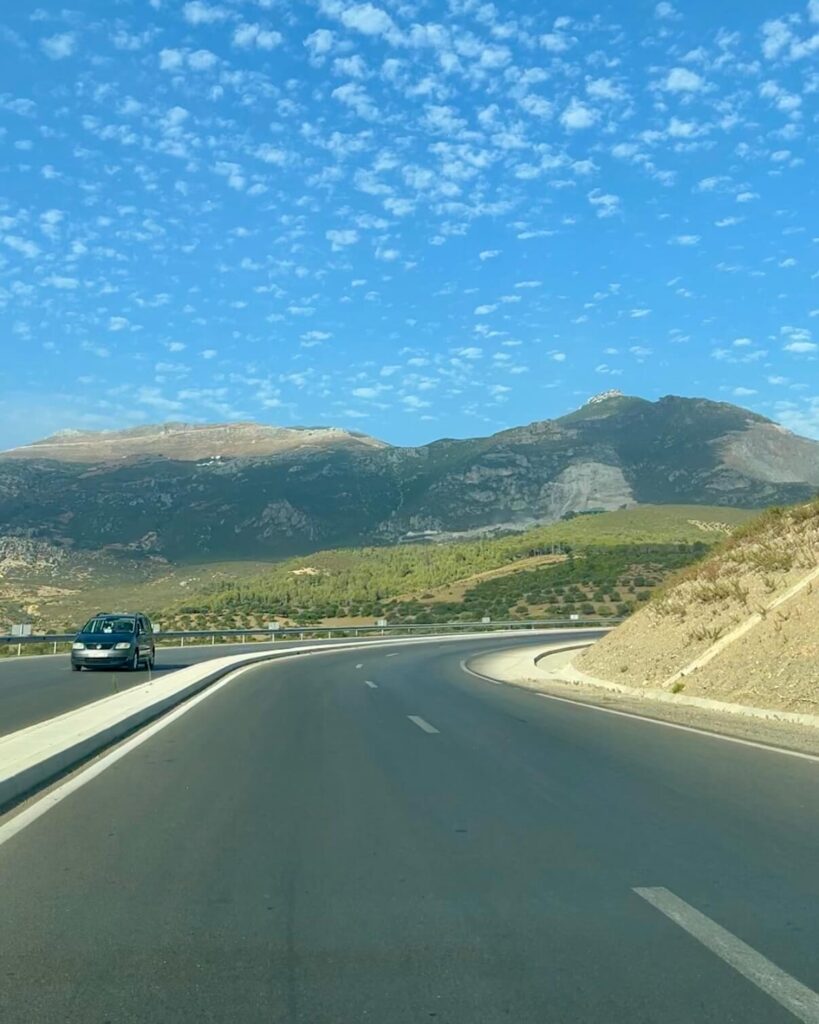
- Roads are generally okay, especially highways. However, the moment you take a detour into a narrower dirt road, things can get a little unpredictable.
- You will not be driving inside medinas, as the roads are quite narrow and crowded. Just park outside and explore on foot
Scams & Situations to Watch Out For While Driving in Morocco
1. Speeding “traps” (this will happen to you)
This is the most common one and also the hardest to avoid. The police set up speed checks in really sneaky places, especially on downhill roads and right after sudden speed limit changes.
We got fined twice within 15 minutes on the Fes to Merzouga route – even though we were being careful.
We even warned another couple driving the opposite way. They still got fined. Twice. That’s how tough it is to avoid.
What to do:
- Stick to speed limits religiously
- Slow down before slopes
- Don’t argue too much – it won’t help
If you do get fined, you’ll have to pay on the spot. We once politely asked if they could reduce it since we’d just paid another fine and surprisingly, they did. We paid 150 & 100 dirhams, respectively.
It does feel like tourists are easy targets here. But yeah, it’s all part of the experience. And the craziest bit is that the police were super chirpy and gave us a date to eat after we paid up. Like really…
2. “Your car has a problem” scam
Someone signals to you while driving, saying that your tyre is flat or something is wrong with your car.
If you stop, they’ll guide you to a “mechanic” who will overcharge you for a fake issue.
What to do:
Don’t stop immediately. Instead, drive a little ahead, park safely, and check your car yourself.
3. Hitchhikers asking for help
You’ll often see people waving you down, asking for a lift. It might be genuine at times, but as a traveller, you really don’t want to take that risk.
Best to just keep driving.
4. Fake road closures (very common in cities)
This happened to us multiple times, especially in Marrakesh. Someone will stop you and say:
- “Google Maps doesn’t work here.”
- “The road ahead is closed.”
Then they’ll offer to guide you. Sounds helpful, right? It’s not.
They’ll say they know the place, but they’ll take you to another because they don’t really know it. Then eventually they’ll take you to a restaurant/hotel they get commission from or ask for money once you reach it. We were in Marrakesh right after an earthquake, so when someone said the road was closed, we almost believed it.
But we trusted our instinct and kept driving. And guess what? The road was completely fine. Not closed at all!
Things That Surprised Us on Our Road Trip in Morocco
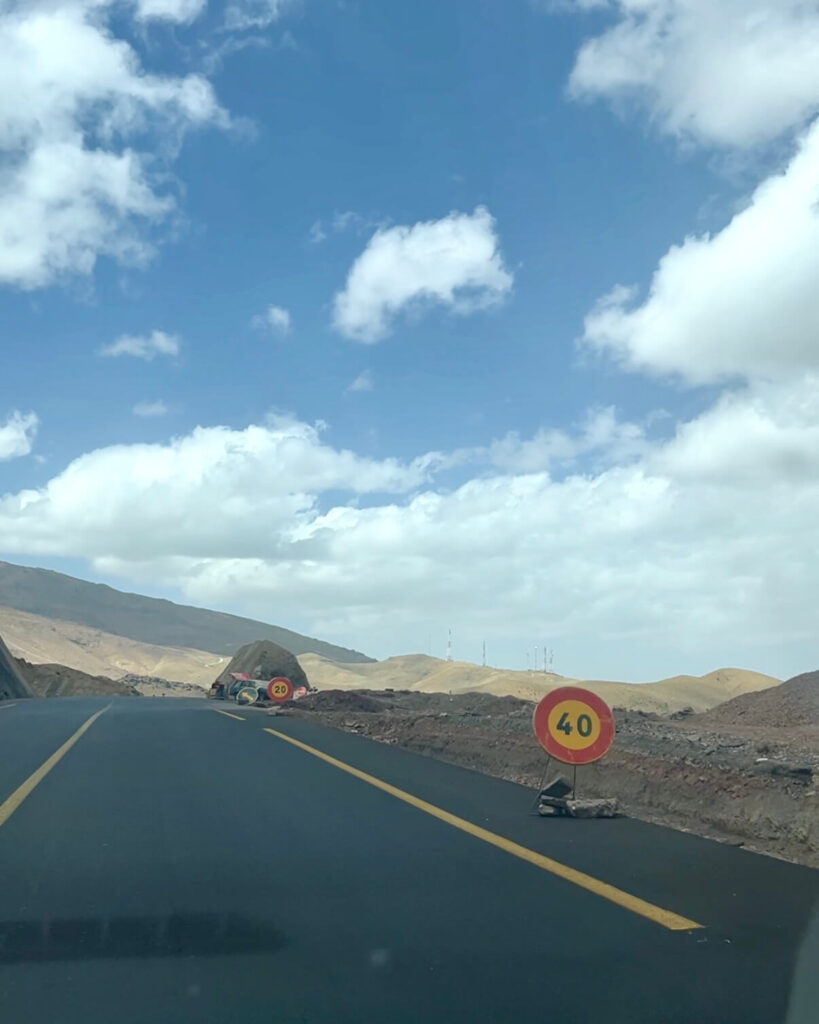
- There’s a LOT of police presence, especially between Tangier and Merzouga. You’ll likely get stopped at least once.
- Speed limits in Morocco make zero sense sometimes. You’ll see something like the following: 60 – 40 – 20 within 50 metres No warning, no gradual transition. Just sudden drops.
- Even when you’re being careful, fines are often unavoidable, especially on routes like Fes to Merzouga
- In places like Chefchaouen, the moment you enter the city, you might find people literally waving keys at your face. We had no clue what was happening at first. Turns out, it’s locals offering accommodation trying to get you to stay at their guesthouse or riad. It’s not dangerous, just a bit overwhelming when you’re not expecting it. A simple “no” and driving ahead works fine.
Morocco Road Trip Tips
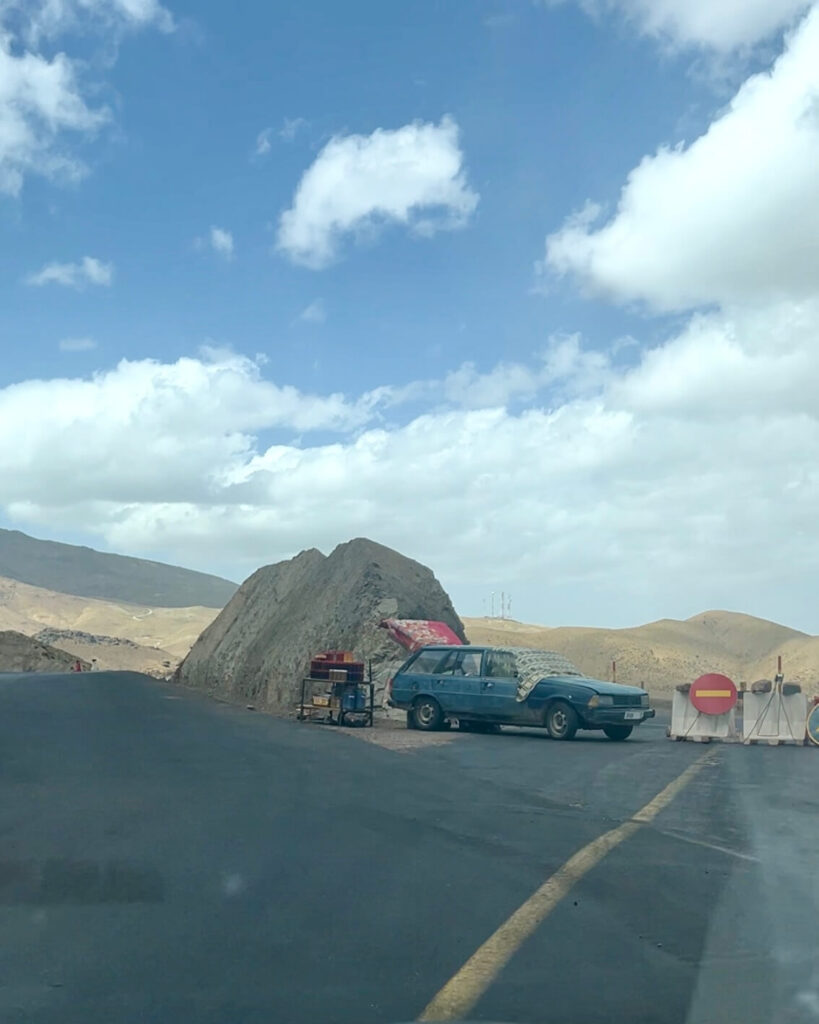
1. Respect the “PARE” sign
“PARE” = STOP
And they mean a full stop, not a slow roll. And there will likely be a police officer stationed there checking the cars. Even if the road looks empty, stop properly. Wait for the officer to signal you before moving. Don’t make that decision by yourself.
2. Download Maps.me
Google Maps works fine on highways. But in cities, it’s a mess. Morocco’s lanes are so narrow and windy that Google Maps just doesn’t pick them all up. So you get wrong directions, take long confusing routes, and are asked to drive by staircases (yes, we did really face this).
Maps.me works way better, especially in old towns and narrow streets.
3. Get full insurance. No shortcuts.
Get full insurance when renting your car. This is non-negotiable.
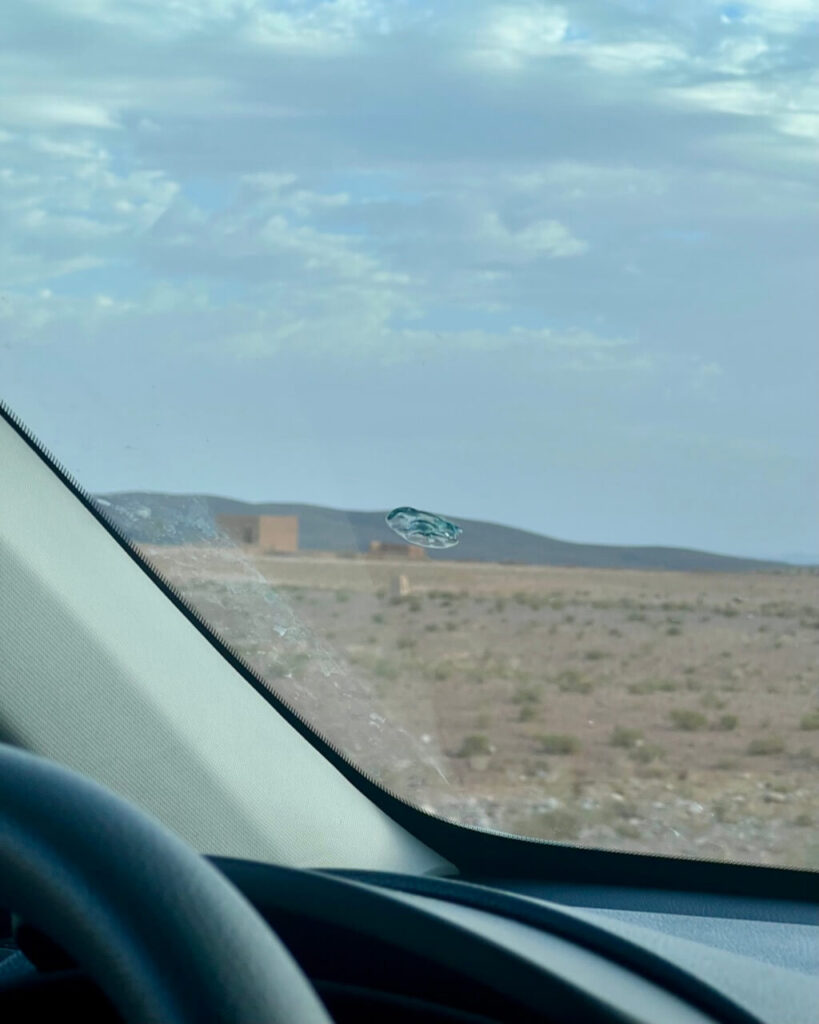
Our windscreen randomly got chipped by a flying stone mid-drive. Because we had full insurance from the rental company DiscoverCars, we got the entire amount back without any hassle.
4. Coffee vans = lifesavers
You’ll see small vans on highways selling coffee. If you’re tired or need a break, just stop. They’re super convenient and a nice little break during long drives.
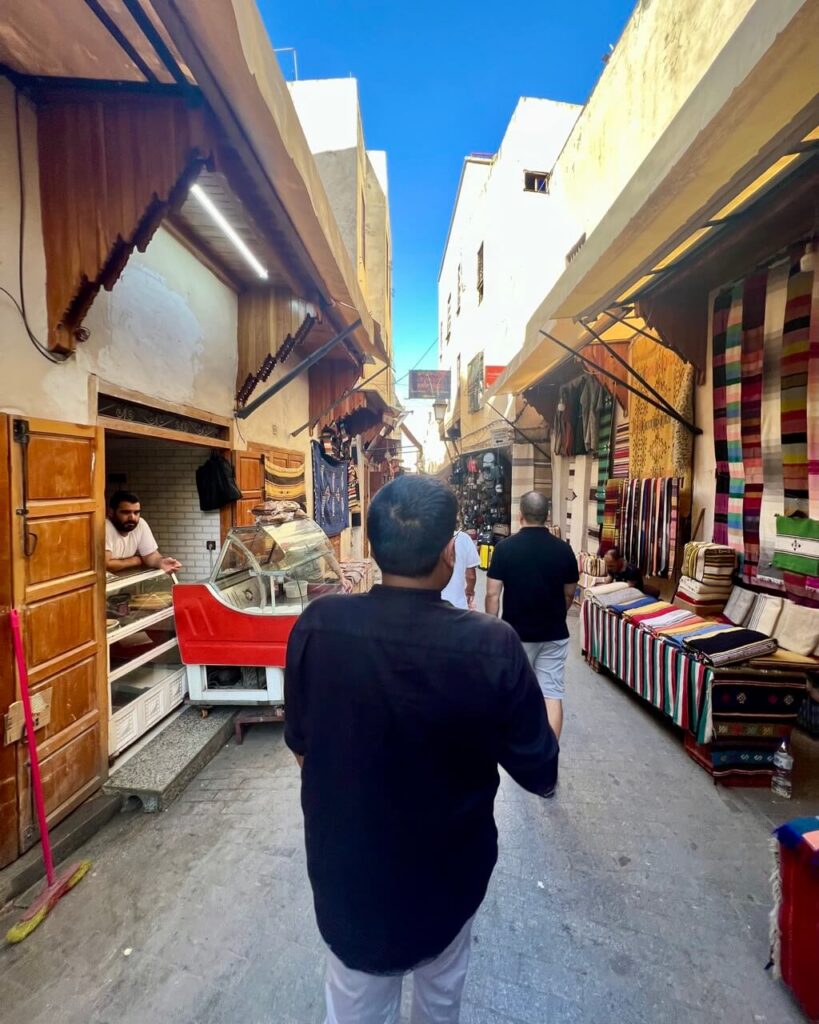
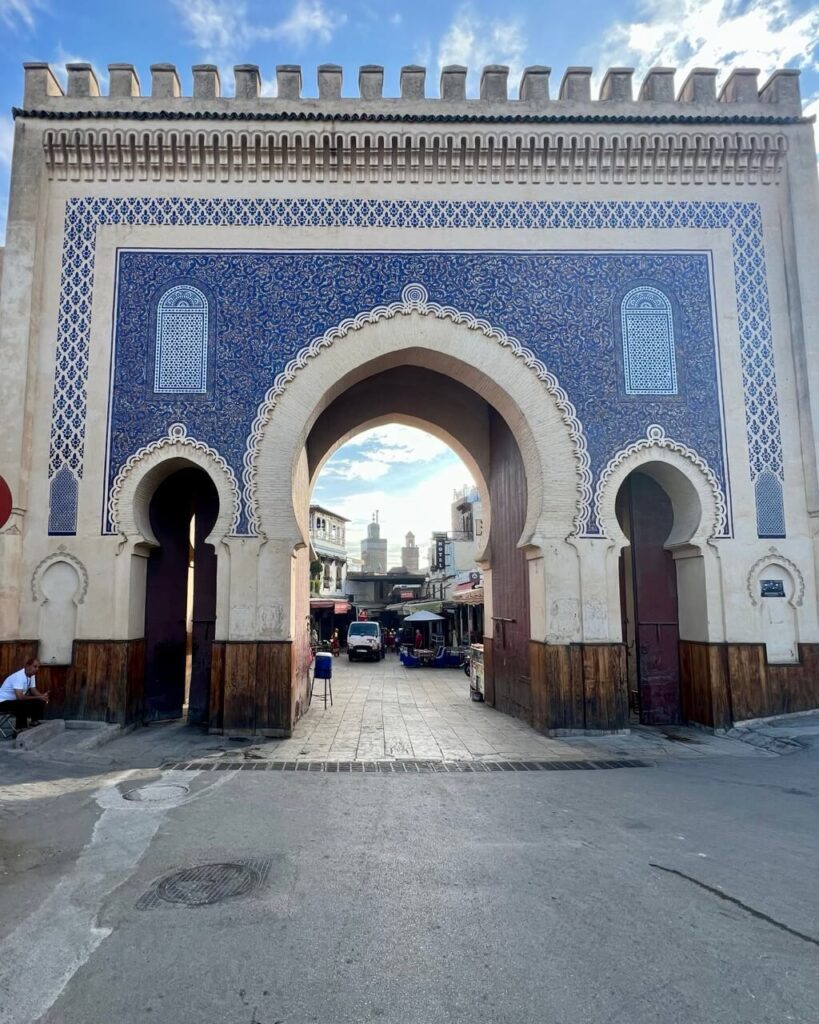
5. Don’t drive into medinas
Medinas (old towns) are not designed for cars. The streets are extremely narrow, crowded with people, scooters, and carts, and it’s just very easy to get stuck in. So always park outside the medina and walk in. It is far less stressful than driving in a narrow maze.
Outside the gates of the medina, you’ll usually find designated parking areas or locals guiding you to a spot (for a small fee). For more details on parking, including costs and what to expect you cna check out our guide on renting a car in Morocco guide.
Biggest Mistakes to Avoid While Driving in Morocco
– Ignoring sudden speed limit drops
– Driving too fast on downhill roads
– Trusting strangers who say roads are closed
– Entering medinas with your car
– Skipping full insurance
– Using Google Maps instead of Maps.me for navigation once inside the city.
Final Thoughts
Driving in Morocco as a tourist is one of those experiences that’s equal parts beautiful and chaotic.
Yes, there are scams.
Yes, things can feel confusing or unfair at times.
But if you stay alert, trust your instincts, and don’t panic then you’ll be completely fine. And more importantly, you’ll get to experience Morocco in a way that most travellers don’t.
Some of the links in this blog post are affiliate links. We may earn a commission if you make a purchase by clicking through them. This will be at no additional cost to you. We only recommend products that we use ourselves and that might be beneficial for you.